

Are you feeling tired of overcrowded beaches, noisy portable karaoke speakers, or high-season price gouging? I totally understand that feeling — a relaxing getaway loses half its relaxation if you cannot find a truly peaceful spot.
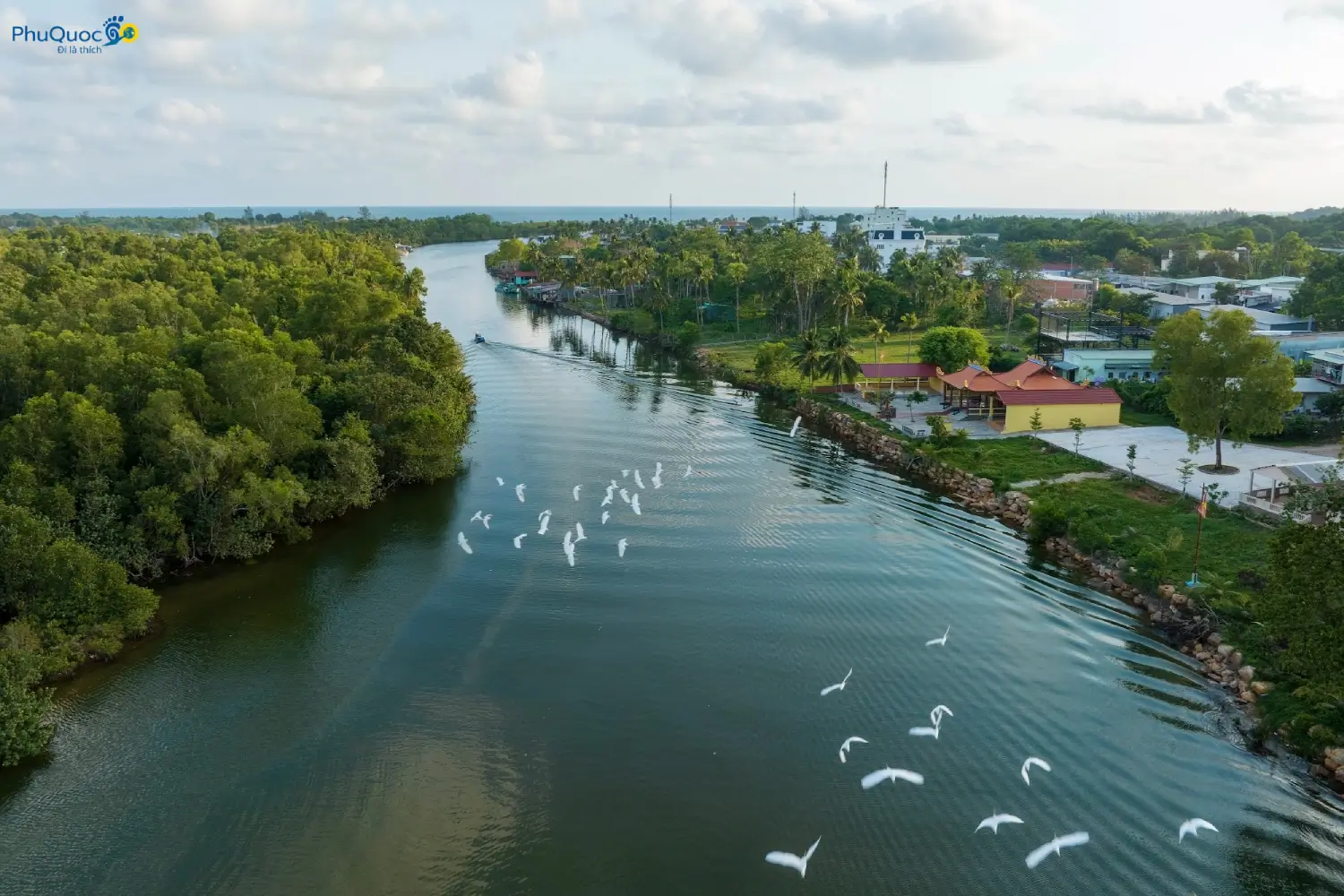
In this article, we will take you on a visit to Cua Can Beach Phu Quoc — a rare pristine “quiet space” that still retains its simple charm on the western coast of the Pearl Island. This place features a gently sloping sandbar, the peaceful Cua Can River flowing straight into the sea, and a miniature Western riverfront lifestyle. We will share everything from its location, how to get there, Cua Can kayak rental prices, and sunset viewing schedules to the most practical warnings so you have a complete trip.
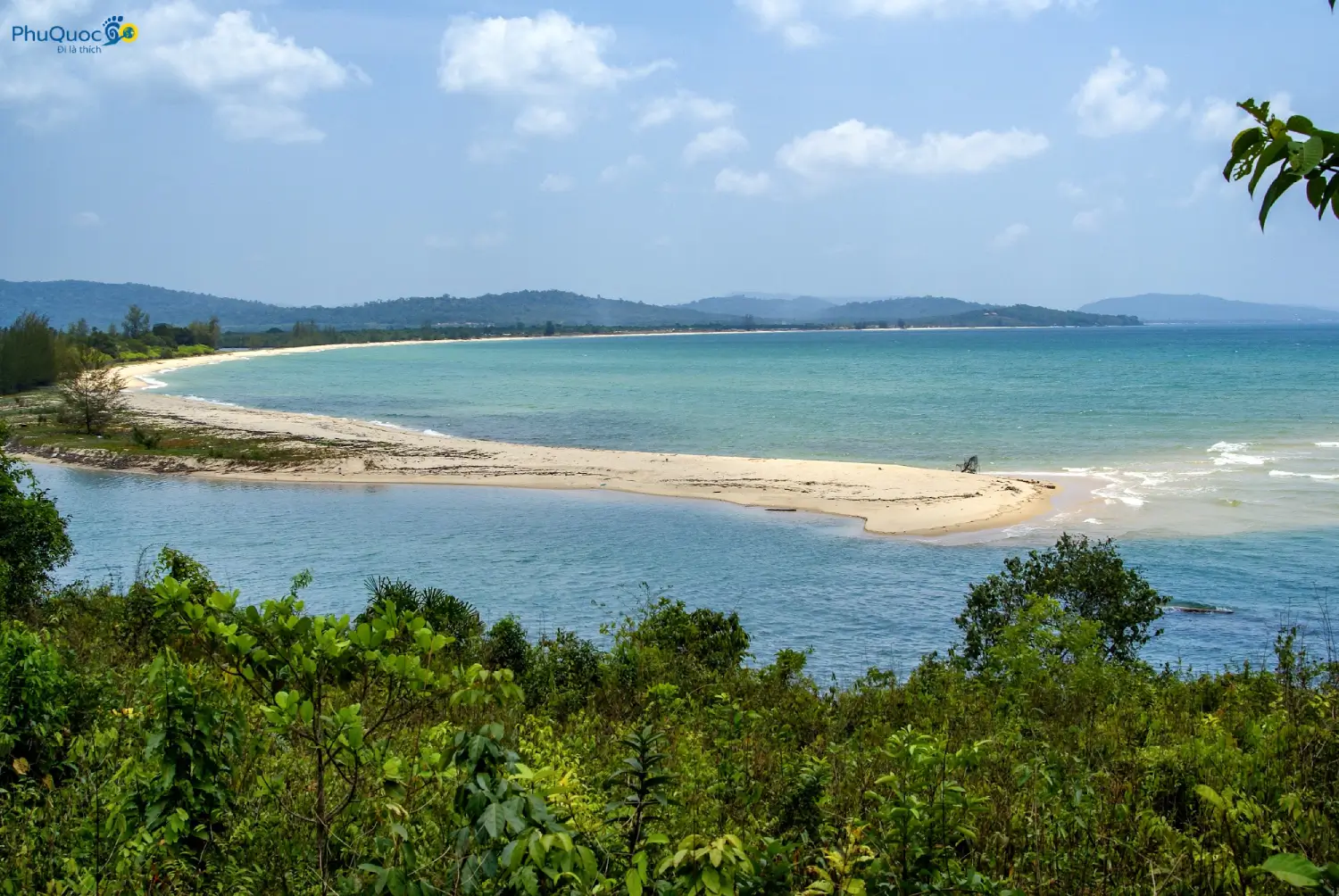
Why Is Cua Can Beach the “Lifesaver” for Your Phu Quoc Trip?
Phu Quoc has seen rapid tourism infrastructure development, bringing along a series of large resorts and massive entertainment complexes. However, the downside is that many famous beaches are gradually losing their original natural beauty. If you are looking for a space without hustle and bustle, where ocean waves lap against the shore alongside birds singing by coconut groves, then exploring Cua Can Phu Quoc is the missing piece you need.
Located at a special intersection between river and ocean, this beach has no tightly packed lines of sun loungers or noisy bars. Infrastructure around Cua Can Beach is still mainly self-managed by local residents at a basic level. This very “absence” of mass tourism helps the place maintain its peaceful character, perfect for souls wanting to slow down a beat.
Where Is Cua Can Beach Phu Quoc & Detailed Directions
Where Is Cua Can Beach?
Where Cua Can Beach Phu Quoc is located is a common question for many first-time island visitors. In fact, the beach sits on the western coast of Phu Quoc Island, in Cua Can Commune. The beach stretches about 3 km starting from the Cua Can river mouth area down toward the Thang Loi Hotel area.
Depending on your starting point in Duong Dong town center, the actual travel distance is around 8 to 10 km to the north. This distance is far enough to stay away from the hustle of the center, but close enough to reach within 15–20 minutes.
Best Route to Cua Can Beach Phu Quoc
To get here easily without getting lost in local shortcuts, you can follow this route:
- Standard route: From Duong Dong center (or from Phu Quoc Airport along Tran Hung Dao → turn onto 30/4 Street) → enter DT45 toward North Island → drive straight over Cua Can Bridge.
- Landmarks: Get near the access road to Vinmec International Hospital or turn into dirt alleys leading to the riverbank/beach. If you are unsure, pull over and ask local people: “Where is the road to Cua Can Beach or the kayak spot?” — locals here are extremely friendly and eager to give directions.
Transportation tips from tour insiders:
- By motorbike: A perfect choice for couples or young groups. Motorbikes allow you to flexibly weave through small dirt tracks along the river. Motorbike rental price is about $4.6 – $5.7/day.
- By taxi/car: Great if traveling with seniors or young children. Taxi fares range around $0.6/km. You should pre-arrange a return pickup time with the driver because booking ride-hailing cars here in the late afternoon can be tricky.
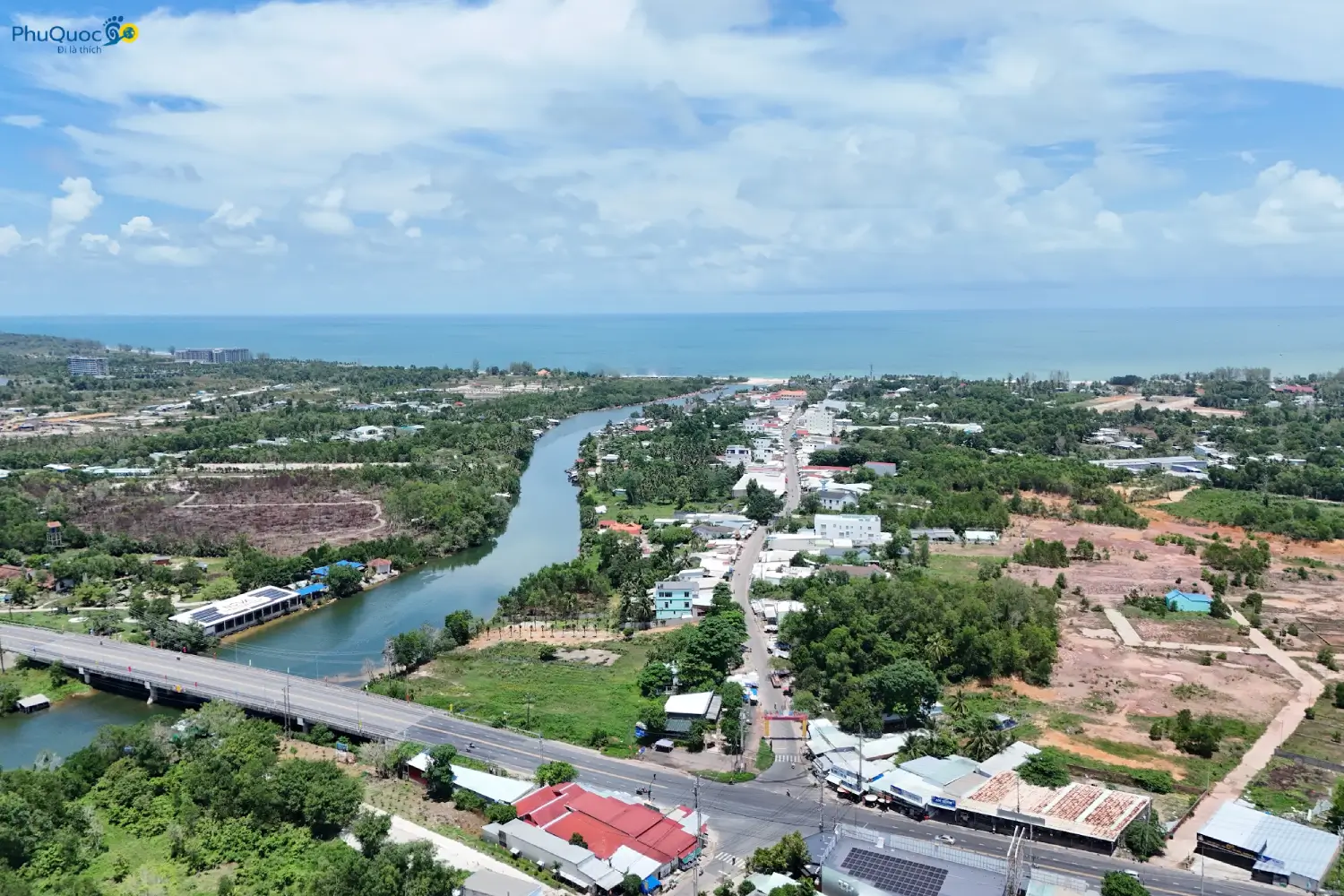
When Is the Best Season to Visit Cua Can Phu Quoc?
The ideal time to travel to Cua Can Phu Quoc is during the dry season, running from October to April of the following year (potentially extending into early May). At this time, the weather on the west coast is very fine: warm golden sunshine, calm seas, clear water, and the Cua Can River flow mirror-flat.
If you want to save costs and avoid crowded periods, consider visiting during shoulder seasons: early April or late October. At these times, rainfall is light, weather is pleasantly mild, and prices for transport or accommodation services are much more reasonable. For detailed monthly weather updates, you can check out our article on Phu Quoc weather.
Local warning: During the rainy season (June to September), the western coast of Phu Quoc often experiences high waves, and water flowing out of the Cua Can River carries silt that turns sea water near the river mouth murky. Kayaking or boating activities during this time may be restricted due to swift currents.
Things to Do at Cua Can Beach Phu Quoc: 5 Can’t-Miss Experiences
1. Kayaking on Cua Can River – Gliding Through North Island Nature
The highlight activity here is Cua Can River kayaking. The Cua Can River meanders peacefully, its banks covered with green nipa palms and primary vegetation. Calm river waters make it easy even for first-time paddlers to get the hang of it after a 5-minute briefing.
- Reference cost: $3.0 – $3.8/person/kayak boat (prices may vary slightly depending on peak or off-peak seasons).
- Real feeling: Gently gliding your paddle over peaceful waters while listening to the wind rustling through nipa palms and birds singing is a great way to relieve stress. If you enjoy this activity, check out our full guide on kayaking in Phu Quoc.

2. Renting a Boat at Cua Can to Explore Phu Quoc National Park
If traveling with family or preferring not to paddle, you can opt for renting a Cua Can boat with a local driver. Small fisherman wooden boats will take you upstream along Cua Can River, deep into the buffer zone of Phu Quoc National Park.
- Reference boat rental rate: $11.4 – $15.2/boat/hour (capacity of around 5–6 people).
- Experience: You will observe characteristic mangrove forest ecosystems, pass rustic wooden bridges, and enjoy pure fresh air.
3. Swimming at Cua Can Beach & Catching the West Coast Sunset
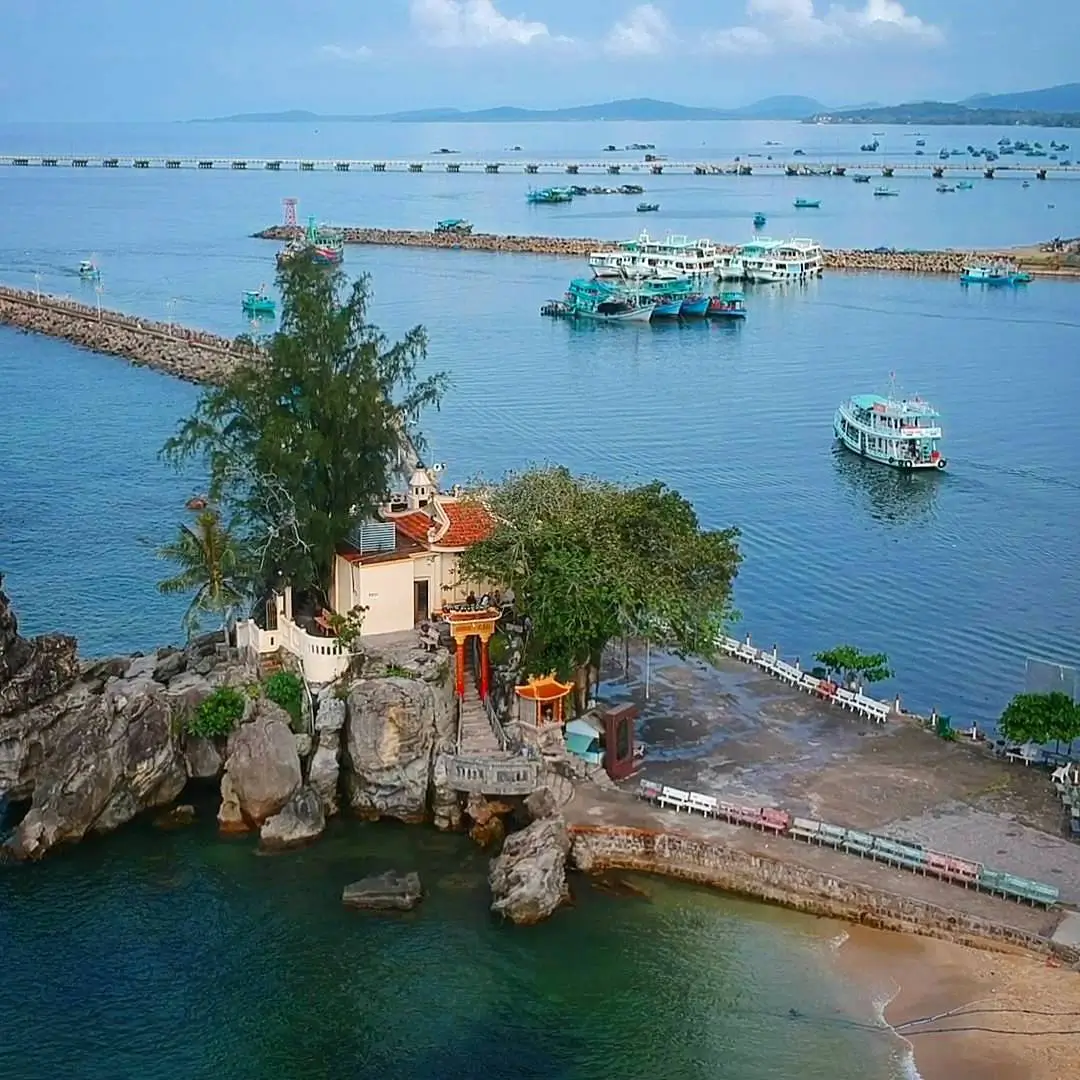
The combination of a gently sloping sandbar and natural rocks smoothed out by water creates a unique backdrop for Cua Can Beach Phu Quoc. The sea water here is relatively shallow and clear (during dry season), making it suitable for wading and taking a refreshing dip.
In particular, because the coast faces west, watching the Cua Can sunset is a highlight you should not miss. At dusk, the sky shifts from orange-gold to deep purple, reflecting on the water where river meets sea — a romantic, deeply peaceful moment.

4. Trying Fishing in Cua Can & Learning About Fishermen’s Life
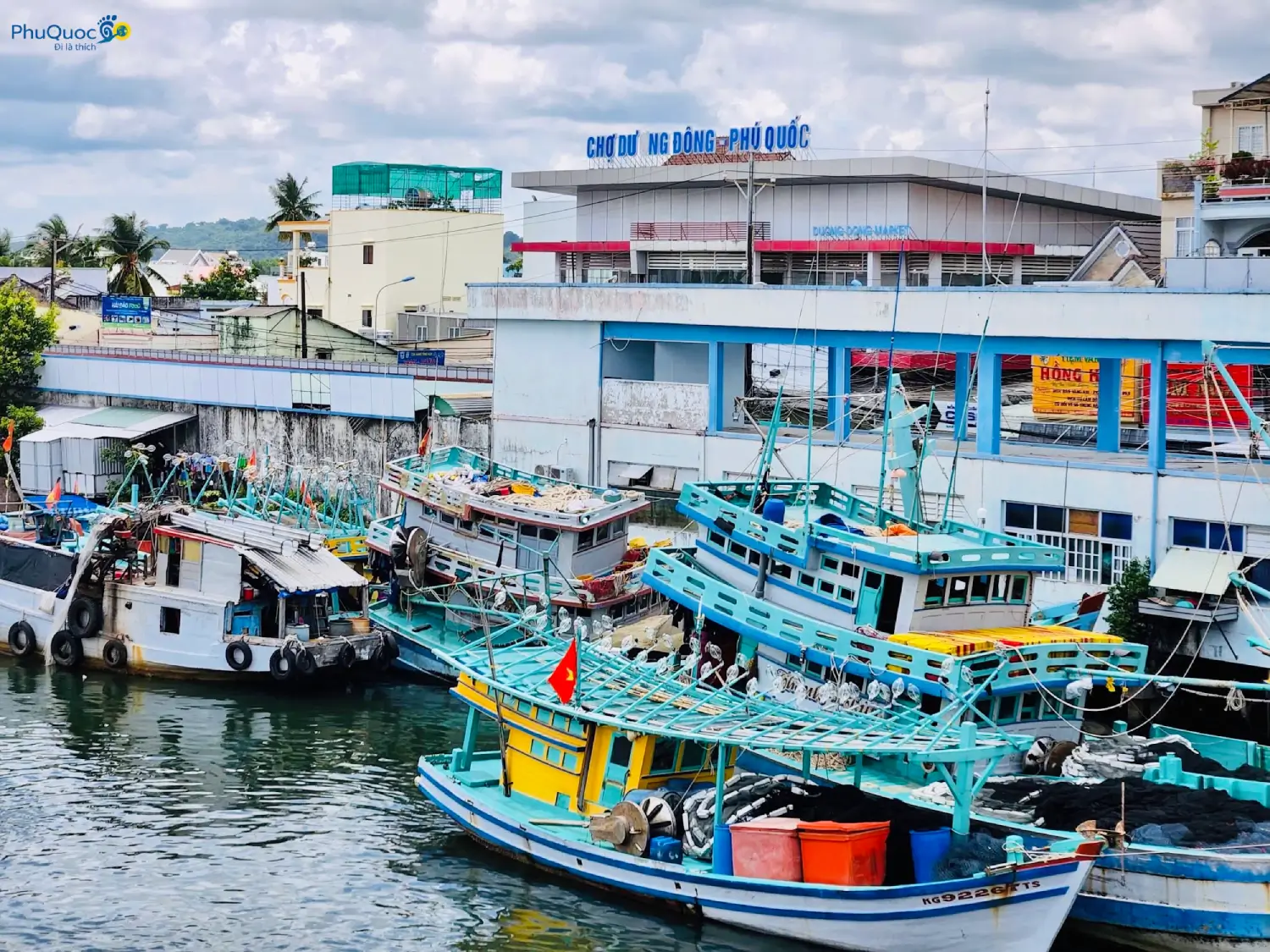
Unlike glitzy resorts, the area along Cua Can River preserves the humble character of Cua Can fishing village. Stilt houses and floating houses scattered along the river carry strong traits of Southwestern river culture.
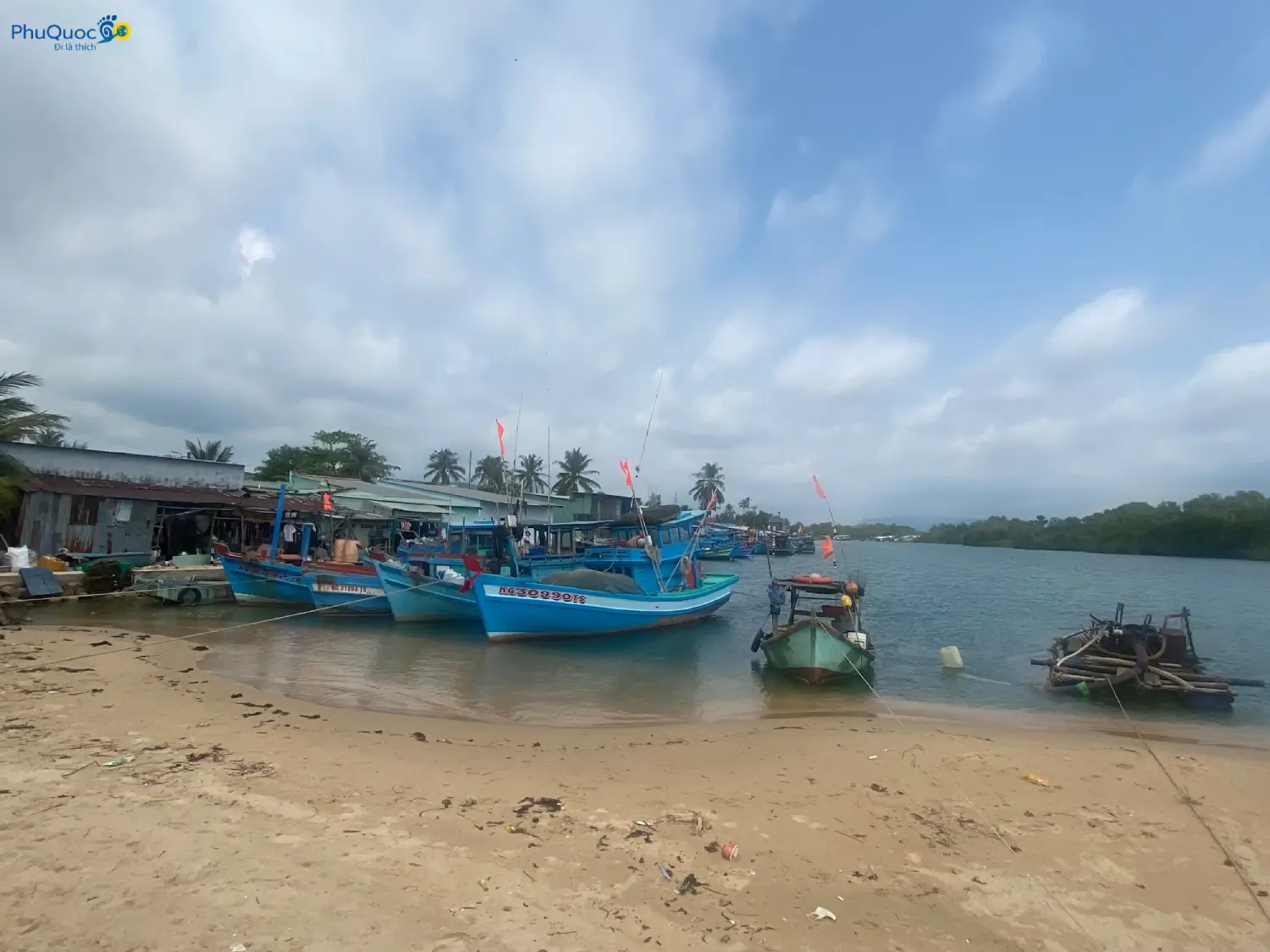
Visitors can drop a fishing line for Cua Can fishing directly from rustic wooden bridges across the river, or ask to rent a fisherman’s boat to try your luck at the river mouth. Sitting down to chat with down-to-earth fishermen and listening to night fishing stories gives you a real look into Cua Can fishermen’s daily life.
5. Comparing Cua Can Beach with Other Beaches in Phu Quoc
To help you visualize and plan your itinerary easily, we made an objective comparison table between Cua Can Beach and other famous destinations on the island:
| Beach | Key Features | Crowd Level | Services & Amenities | Best Suited For |
| Cua Can Beach | River & sea junction, kayaking, untouched | Very low (Quiet) | Basic (Locally operated) | Travelers seeking local experiences, nature, chill vibes |
| Bai Sao Beach Phu Quoc | Creamy white sand, turquoise water, calm sea | Very high | Highly developed (Restaurants, water sports) | Travelers who like check-ins, swimming, photography |
| Bai Khem Beach Phu Quoc | Crescent-shaped beach, luxury 5-star resorts | Moderate – High | High-end (Luxury resorts) | Luxury vacationers, families |
| Bai Dai Beach Phu Quoc | Long beach, golden sand, near VinWonders/Grand World | Moderate | Heavily developed | Travelers combining entertainment in North Island |
| Bai Thom Beach Phu Quoc | Pristine, rocky, view of Cambodian border | Very low | Sparse | Backpackers, wilderness lovers |
| Rach Vem Phu Quoc | Starfish kingdom, floating seafood restaurants | High (Seasonal) | Fair (Floating dining rafts) | Travelers taking starfish photos, eating fresh seafood |
Preparation Guide & Essential Tips from Tour Insiders
Visiting Cua Can Beach is most enjoyable and complete when you prepare these small details carefully:
- Clothing & Gear: Bring lightweight swimwear and a change of dry clothes after kayaking. Don’t forget a wide-brimmed hat, sunglasses, and reef-safe sunscreen (to protect the aquatic environment).
- Insect repellent (MANDATORY): Because the river mouth has dense nipa palms and vegetation, mosquitoes and midges often appear at dusk (from 4:30 PM onward). Bring a bottle of insect repellent spray.
- Waterproof bag for phones/cameras: Water easily splashes into the boat when kayaking. Put electronics inside dedicated dry bags.
- Cash: Most kayak rentals, boat rentals, and local drink stalls prefer cash. You should prepare small bills ($0.8, $1.9, $3.8).
- Cleanliness: Since this beach does not have a 24/7 cleaning crew like commercial beaches, please respect nature by gathering all your personal trash to take to a designated disposal point.
FAQ – Frequently Asked Questions About Cua Can Beach
Where is Cua Can Beach Phu Quoc located and how far is it from Duong Dong center?
The drive takes around 15–20 minutes by car/motorbike via DT45 road. The beach starts right at the Cua Can River mouth opening into the sea and extends toward the Thang Loi Hotel area.
Does Cua Can Beach Phu Quoc have commercial tourism services or luxury resorts yet?
You will not find lively beach clubs or 5-star resort chains right along the water's edge here. The surroundings only feature a few small eco-resorts (bungalows) hidden in coconut gardens and simple kayak rental shacks.
How much is Cua Can kayak rental currently and is kayaking dangerous?
Cua Can River flows smoothly with minimal waves. However, visitors are always equipped with mandatory life jackets. If visiting on windy days or during the rainy season (June–September), you should not paddle too far out near the river mouth because converging currents can be stronger than usual.
What is the best time of day for kayaking at Cua Can?
In the morning, the air is extremely fresh, the water surface is calm, and the sun is mild. In the afternoon, you can combine kayaking with watching the sunset fall over the river mouth. Avoid paddling between 11:00 AM and 2:00 PM due to harsh sunlight that drains your energy easily.
Is swimming at Cua Can Beach safe for young children and seniors?
Although the beach is generally gentle, you still need to pay attention to the area right at the river mouth channel — where river and sea currents meet, and depth can change unexpectedly. Have children swim on the flat sandbar away from the main river channel and always wear life jackets.
Are there good, affordable dining options at Cua Can Beach?
You can stop by small spots along the river or near Cua Can Bridge to enjoy grilled cá sòng (scad), steamed ghẹ (flower crab), or bún quậy (stirred noodles) at budget-friendly prices. If you want a wider variety of choices, you can drive another 5–10 minutes toward Gành Dầu or return to Duong Dong.
Should I visit Cua Can Beach independently or book an all–inclusive tour?
If you only want to stop by to swim and kayak for 1–2 hours, going independently makes the most sense. However, if you want to combine a deeper boat trip into the National Park, jungle trekking, or visiting North Island sights in a single day, booking a combined tour with a local guide will help you save costs and gain deeper insights into local history and ecosystem.
Which other North Island attractions can be combined with Cua Can Beach?
Optimal 1-day itinerary for you: Morning visit Cua Can Beach for kayaking & swimming → Noon head up to Rạch Vẹm floating rafts for seafood → Afternoon have fun at Grand World / VinWonders or visit Nguyễn Trung Trực Temple / Gành Dầu Cape to view the Cambodian sea border.
Cua Can Beach Phu Quoc is not a place for those seeking glitz or lively party scenes. It is a peaceful stop for anyone wanting to listen to gentle waves lapping the sand, paddle along a calm river, and fully feel the humble pace of life of Pearl Island locals. If you are planning your upcoming Phu Quoc trip and need more advice on self-guided North Island itineraries or authentic kayaking experiences, do not hesitate to contact us for genuine and practical support!