

Have you ever felt tired of crowded, noisy tourist spots and just wanted to find a truly quiet, pristine corner of Phu Quoc? With years of experience guiding travelers through every corner of the Pearl Island, I can affirm that Cua Can River Phu Quoc is the place that preserves that rare tranquility intact. This article will guide you from its geographical location, decode the origin of its unusual name, explain its unique river-sea ecosystem, and share real experiences like kayaking, basket boat rides, and the most detailed self-guided travel tips for 2026.
Background & Why You Should Definitely Read This Article
Most first-time visitors to Phu Quoc are drawn to the lively southern beaches or the grand entertainment complexes in the north of the island. As a result, the gentle Cua Can area is often regrettably overlooked. A lack of practical information causes many travelers to visit at the wrong time, face sandbar-blocked river mouths that make movement difficult, or struggle to find boat rentals at reasonable prices.
Unlike places that have been urbanized with concrete, Cua Can River is a valuable natural, cultural, and livelihood intersection. It retains the quiet charm of riverside nipa palm strips, the simple lifestyle of Cua Can fishermen, and clear blue water flowing into the Gulf of Thailand. By reading this full article, you will gain a complete guide to exploring Cua Can without needing to spend time searching anywhere else.
1. Where Is Cua Can River Phu Quoc & Real Infrastructure in 2026
Geographical Location and Natural Flow
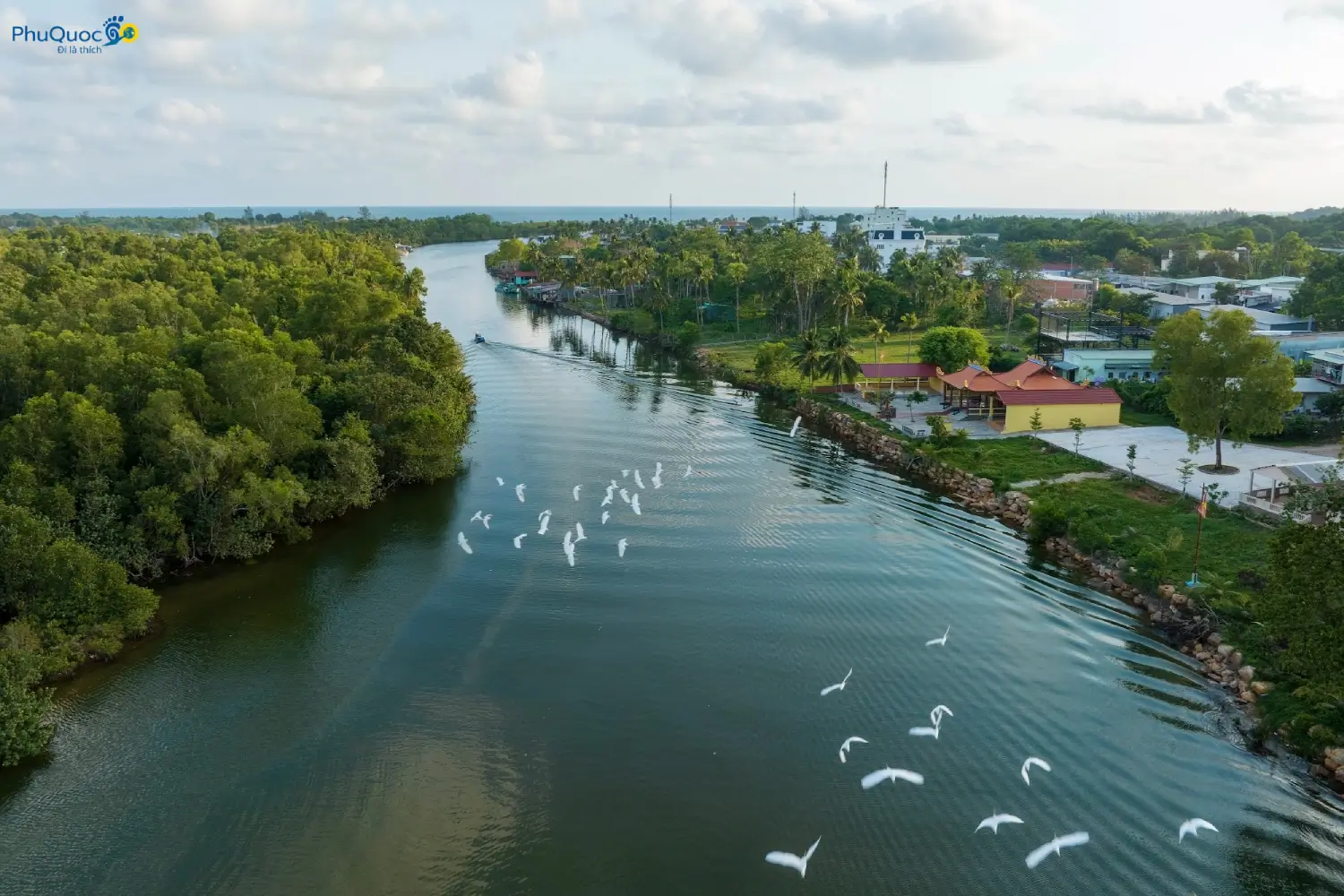
Where is Cua Can River Phu Quoc? The river is located on the western side of Phu Quoc Island, in Cua Can Commune, about 6 km north of Duong Dong town center. The headwaters of Cua Can River originate from the majestic mountain range in Phu Quoc National Park, winding peacefully through green cajeput forests before emptying into the western sea of Phu Quoc.
The flow of Cua Can River stretches tens of kilometers, but the most beautiful section for travel is in the downstream area, where calm fresh water opens into the Phu Quoc river mouth.
Infrastructure Status and Wild Environment
Without 5-star resorts built right at the water’s edge or large-scale paved roads, the tourism infrastructure here remains small-scale and operated by locals. Unlike the crowded activity around Duong Dong River Phu Quoc, Cua Can River carries a quiet, gentle, and untouched beauty. That very lack of development creates a serene space suitable for anyone looking to reconnect with pure nature.
2. Decoding the Name “Cua Can” and the Fascinating River-Sea Intersection Flow
Origin of the Name Cua Can & Name Meaning
The name Cua Can comes directly from the Cua Can terrain and characteristic natural phenomena at the Cua Can river mouth:
- “Cua” (Mouth/Estuary): The location where the river mouth meets the open sea to discharge fresh water.
- “Can” (Shallow): Describes the seasonal accumulation of silt and sea sand.
Sedimentation Phenomenon and Unique Riverside Ecosystem
During the monsoonal south winds (roughly the rainy season), sea waves push sand tightly into the riverbed, forming a long sandbar blocking the river mouth and sea. River water does not empty immediately into the ocean but backs up, making the water level near the mouth very shallow.
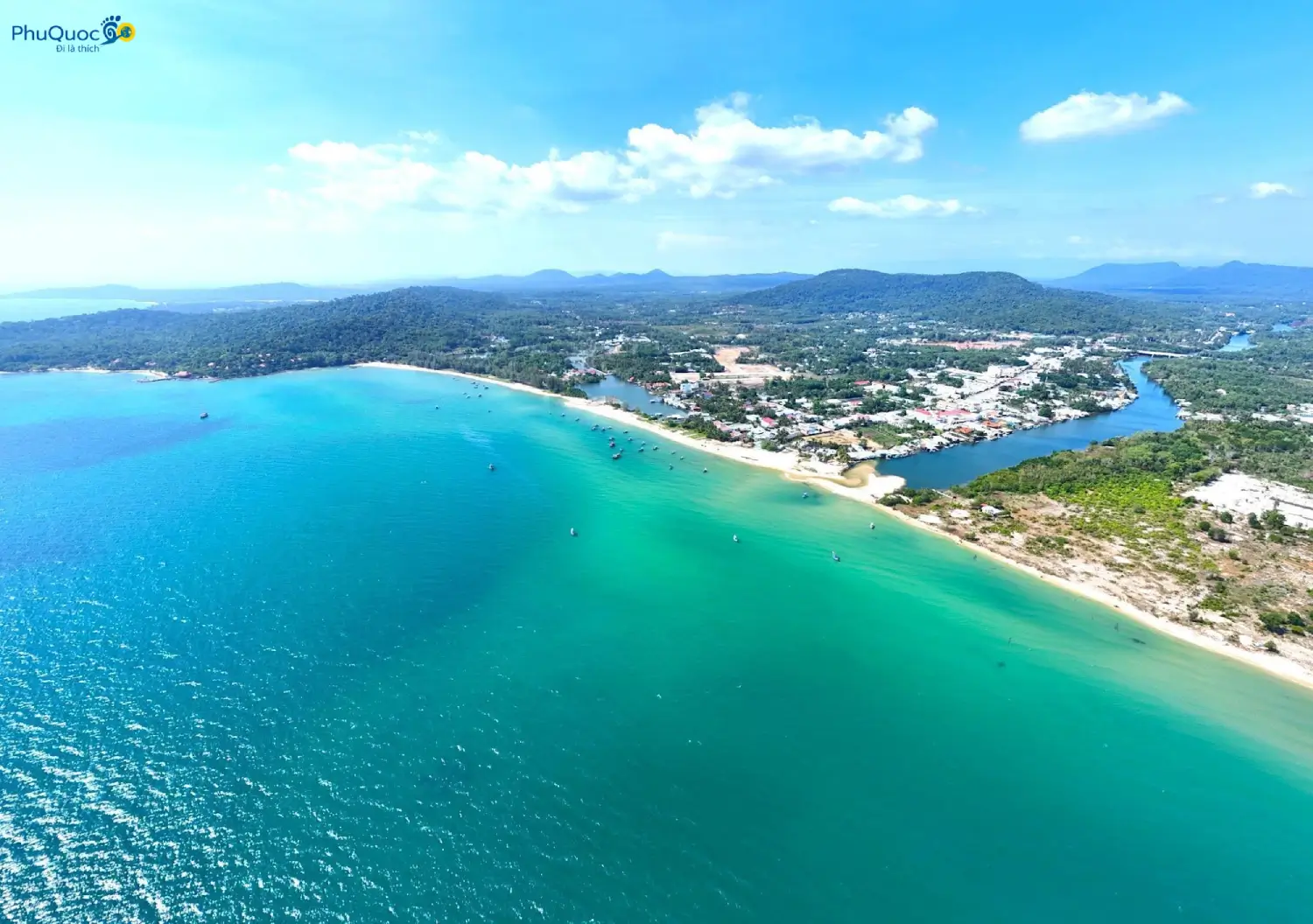
The wondrous interaction between salt tides and upstream fresh water creates a remarkably rich riverside ecosystem:
- Cua Can Riverside Forest: A combination of resilient Cua Can cajeput forest growing on flooded acidic soil and lush, reflective Cua Can nipa palm groves.
- Aquatic Life: A habitat and breeding ground for numerous brackish water fish species, shrimp, crabs, and water birds swooping down for prey.
3. Best Time to Visit Cua Can River in 2026
Dry Season (October to April of the Following Year) – The Golden Time
This is the most ideal time to plan your trip to explore Cua Can River. The weather features bright sunshine, low rainfall, a mirror-flat river surface, and clear water. You can comfortably take part in all water activities without worrying about rough waves or winds.
Money-Saving Tips for Your Trip
If you want to save money, consider visiting during the shoulder season (around early April or late October). Rainfall is minimal during these times, scenery remains beautiful, and prices for food, drinks, and Cua Can boat rentals are much softer than during peak holidays. Before departing, check the Phu Quoc weather carefully to manage your schedule.
4. Detailed Transportation and Directions Guide
Route from the Center
To reach the Cua Can River location, follow this easy route:
- From Phu Quoc Airport, take Tran Hung Dao Street.
- Turn onto 30/4 Street toward Duong Dong town center.
- Continue along DT45 road heading toward North Phu Quoc Island.
- When you reach the turnoff for Vinmec Phu Quoc International Hospital, slow down and ask locals for the turnoff down to the Cua Can river dock.
Choosing the Right Transportation
- Motorbike: The top choice for young travelers who love freedom. Motorbikes let you easily navigate small riverside roads and stop to take in views of the Cua Can beach strip.
- Taxi: Convenient for larger groups or families traveling with seniors and children. Taxi fares run around $0.6/km.
Local Tip: Passing taxis are scarce in the Cua Can area. If taking a taxi there, get the driver’s phone number to schedule a return pickup so you avoid long wait times.
5. Top 5 Unspoiled Experiences to Try at Cua Can River
Kayaking Along the Emerald Waterways
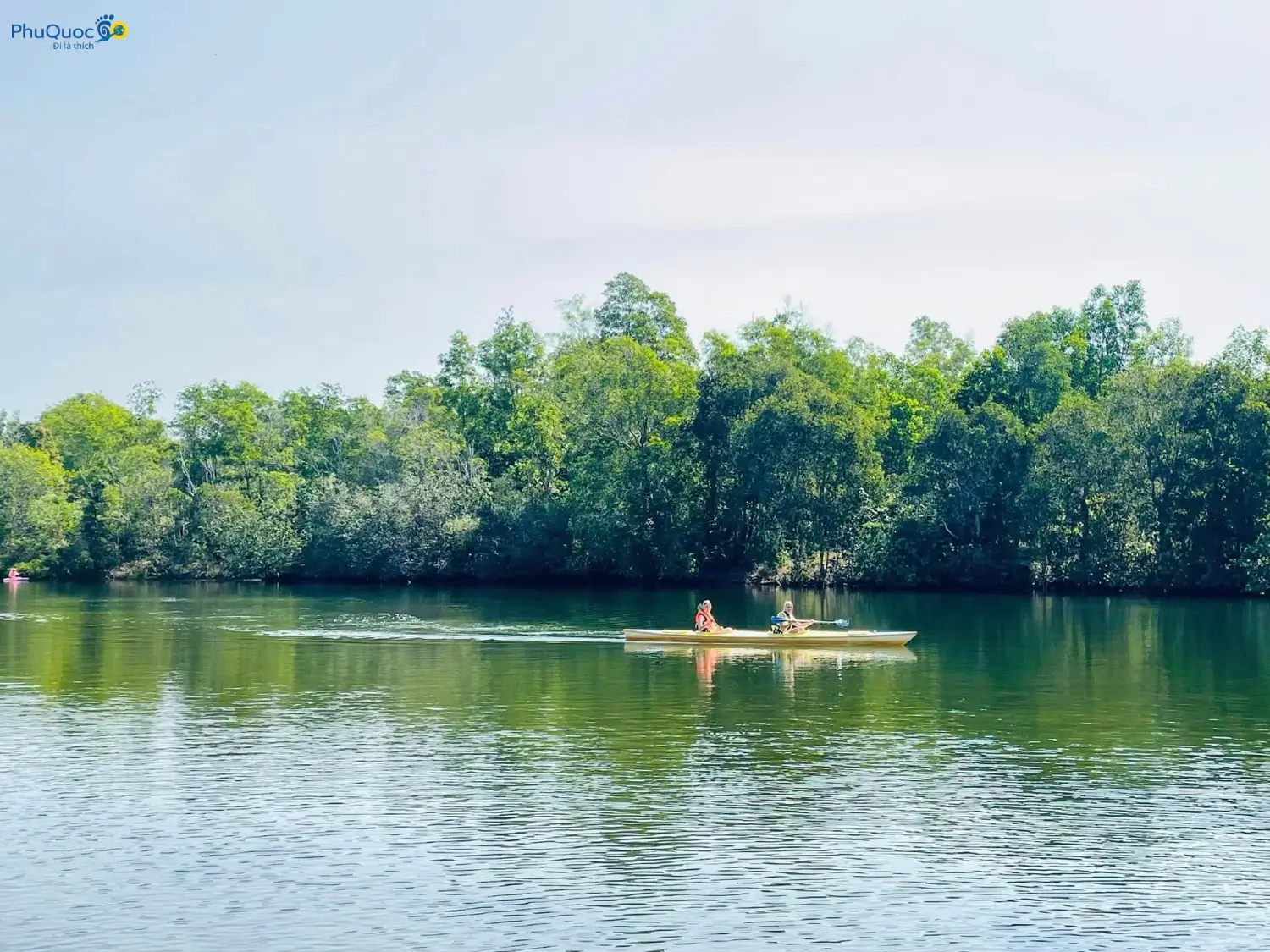
Kayaking on Cua Can River is the most popular experience here. Kayaks are lightweight, slender, and equipped with smooth double-bladed paddles. Paddling yourself along calm waters, weaving through cool, shaded nipa palm groves offers an indescribably relaxing feeling. For outdoor enthusiasts, kayaking in Phu Quoc along this river feels much calmer than paddling on the open ocean.
Switching It Up with a Round Basket Boat Ride
The round basket boat is a familiar symbol of Phu Quoc fishing culture. Holding 3 to 6 people per boat depending on size, the round boat sways gently on the water, bringing smiles to the whole family. The local boat operator will paddle while sharing stories about the daily life of Cua Can residents.

Fishing & Catching Brilliant Sunrises and Sunsets
- Cua Can River Fishing: Rent a small wooden boat into the middle of the river or sit on wooden footbridges along the bank to cast a fishing line, soaking in the quiet pleasures of riverside life.
- Sunrise Viewing: Early in the morning, light mist drifts over the still water as gentle sunlight rises behind cajeput forests, creating a poetic scene.
- Sunset Watching: As evening falls, the sky turns shades of orange and pink, reflecting romantic light across the Phu Quoc river and sea.
Swimming and Photo-Hunting at the River Mouth Rock Formations
The Cua Can beach area features soft white sand, a gentle slope, and shallow, clear blue water. Right where the Cua Can river mouth meets the sea, naturally wave-smoothed rock formations in interesting shapes line the shore, making it ideal for walking or taking memorable photos.
Exploring Cua Can Fishing Village Culture
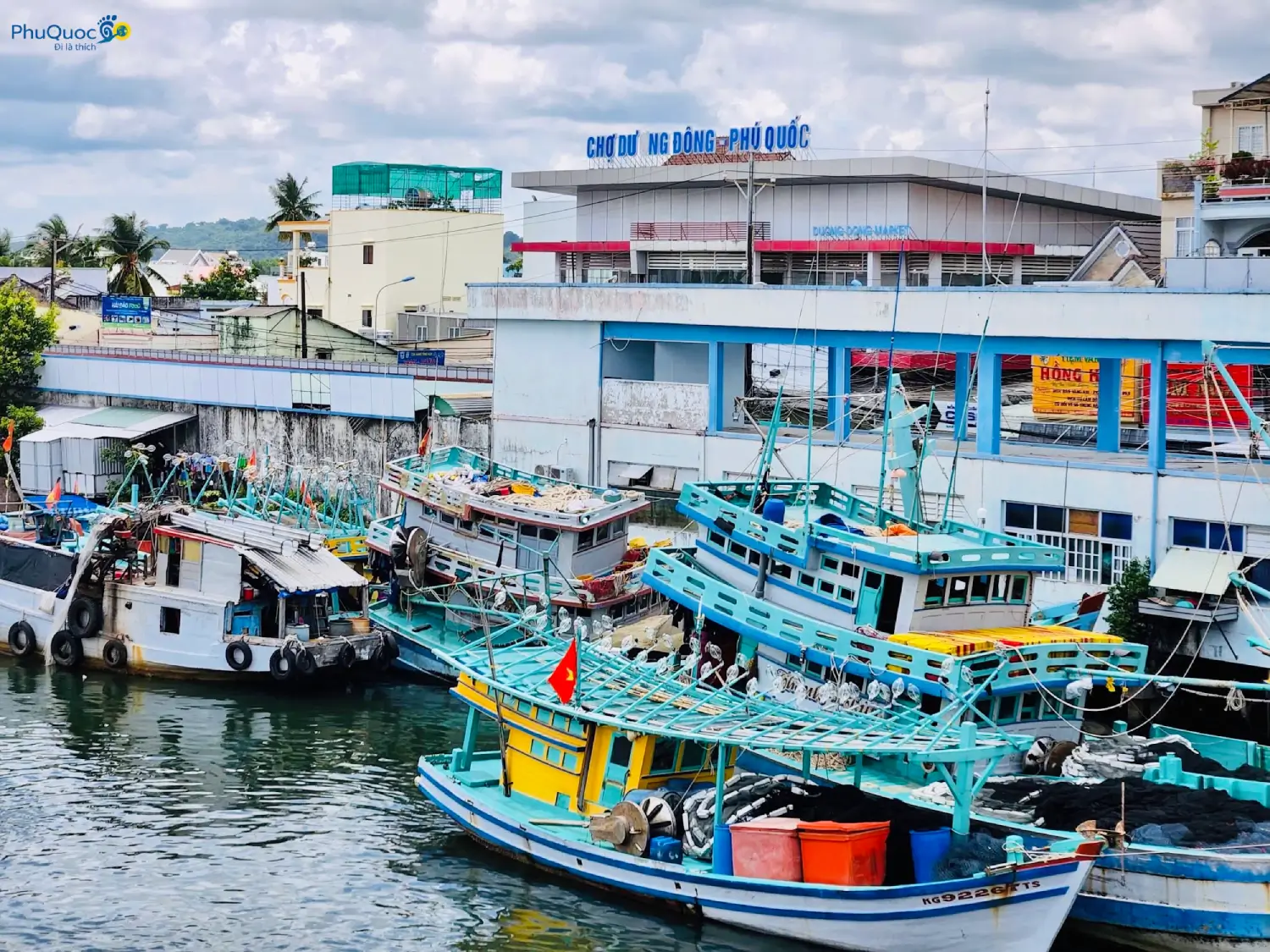
Resting quietly by the water, Cua Can Fishing Village preserves traditional Phu Quoc fishing village culture. Red and blue fishing boats anchored side by side along the riverbank reflect the simple livelihood of local residents passed down through generations. After exploring the river, you can visit nearby spiritual sites such as Dinh Bà Phú Quốc or pay respects at Đình thần Nguyễn Trung Trực Phú Quốc to gain deeper insight into local history.
6. Service Rates and Cua Can Boat Rental Pricing 2026
To help you plan your budget, here is a breakdown of popular service costs in the Cua Can area:
| Service Type | Reference Cost | Capacity / Format | Tour Operator Notes |
| Kayak Rental | $3.0 – $3.8 / person / hour | 1 – 2 people / boat | Self-paddled, private experience, life jackets provided |
| Small Wooden Boat Rental | $11.4 – $15.2 / boat / hour | 5 – 6 people / boat | Includes local driver acting as guide |
| Basket Boat Rental | $5.7 – $9.5 / boat / trip | 3 – 5 people / basket | Suitable for families with young children |
7. Enjoying Riverside Cuisine & Fishing Village Seafood
When visiting Cua Can Fishing Village, you shouldn’t miss the chance to try fresh seafood caught daily by local fishermen.
- Dining Options: Stop by informal riverside eateries or buy fresh catch straight from Cua Can fishermen boats to host your own beach BBQ.
- Must-Try Dishes: Steamed flower crab with kaffir lime leaves, sate grilled squid, chili salt grilled shrimp, foil-wrapped grilled ocean fish, and especially hotpot with sour bamboo shoots and fish rich with western sea flavor.
Quick Tip: Because this area retains its undeveloped nature with few commercial eateries, purchase your seafood early in the day to secure the freshest selection at base prices.
8. Preparation Guide & Important Local Tips
For a safe and complete Cua Can River boat trip, keep these practical tips in mind:
- Personal Items: Pack sunscreen, insect repellent (essential when entering Cua Can cajeput forest and Cua Can nipa palm zones), and a waterproof pouch for phones/cameras.
- Clothing: Wear lightweight, quick-drying clothes and bring 1-2 spare outfits to change into after kayaking or swimming.
- Water Safety: Always wear a properly buckled life jacket whenever stepping onto a kayak, basket boat, or wooden boat.
- Environmental Awareness: Avoid dumping plastic trash or bottles into the river or on the sandbar to keep Cua Can nature clean and green.
Conclusion & Combined Itinerary Suggestions
Cua Can River Phu Quoc is not merely a sightseeing stop, but a living space connecting primeval forests, a gentle river, and the vast sea. If you are seeking a rustic, quiet Phu Quoc experience rich in local character, dedicate a full morning or afternoon here.
To round out your trip after leaving Cua Can, drive 10 minutes further to relax along the clear waters of Ong Lang Beach Phu Quoc or check out our detailed guide on Cua Can Beach to plan your ideal North Island itinerary!
Frequently Asked Questions About Cua Can River Phu Quoc
Where is Cua Can River Phu Quoc located, and how long does it take to travel from Duong Dong center?
Take DT45 road toward North Island. When you see the turnoff for Vinmec Hospital, prepare to turn down toward the riverbank. The path down to the Cua Can boat dock is a narrow local lane. If taking a taxi, ask for the driver's phone number to arrange a return pickup because passing taxis are rare here.
Which season of the year is best and safest to visit Cua Can River?
Dry season experience: River water is mirror-still with lush nipa palm reflections, making it great for kayaking or basket boat rides. Rainy season note (May to September): Strong western ocean waves push sand to block the river mouth, while water rises and flows faster; check with locals before renting a boat.
How much does kayaking and renting a boat to explore Cua Can River cost?
Self-paddled kayak rentals: Ideal for travelers who enjoy exploring independently along cajeput forests. Remember to confirm return timing before departing. Wooden boat / basket boat rentals: Great for families traveling with seniors or children. Local Cua Can fishermen serve as drivers while explaining river life.
Are there tourist traps or pushy vendors around the Cua Can River area?
Service state: Eateries and rentals here are small, independent operations run by local fishermen who are friendly and welcoming. Dining tip: Since services are undeveloped, ask for fresh seafood prices before requesting cooking, or bring your own drinks and light snacks.
Is kayaking on Cua Can River safe for beginners or non–swimmers?
Safety tip: Water flow during the dry season is gentle with no dangerous rapids or whirlpools. Beginner advice: Always fasten your life jacket securely, paddle near the nipa palm trees along the bank, and go with a partner if you are new to maneuvering paddles.