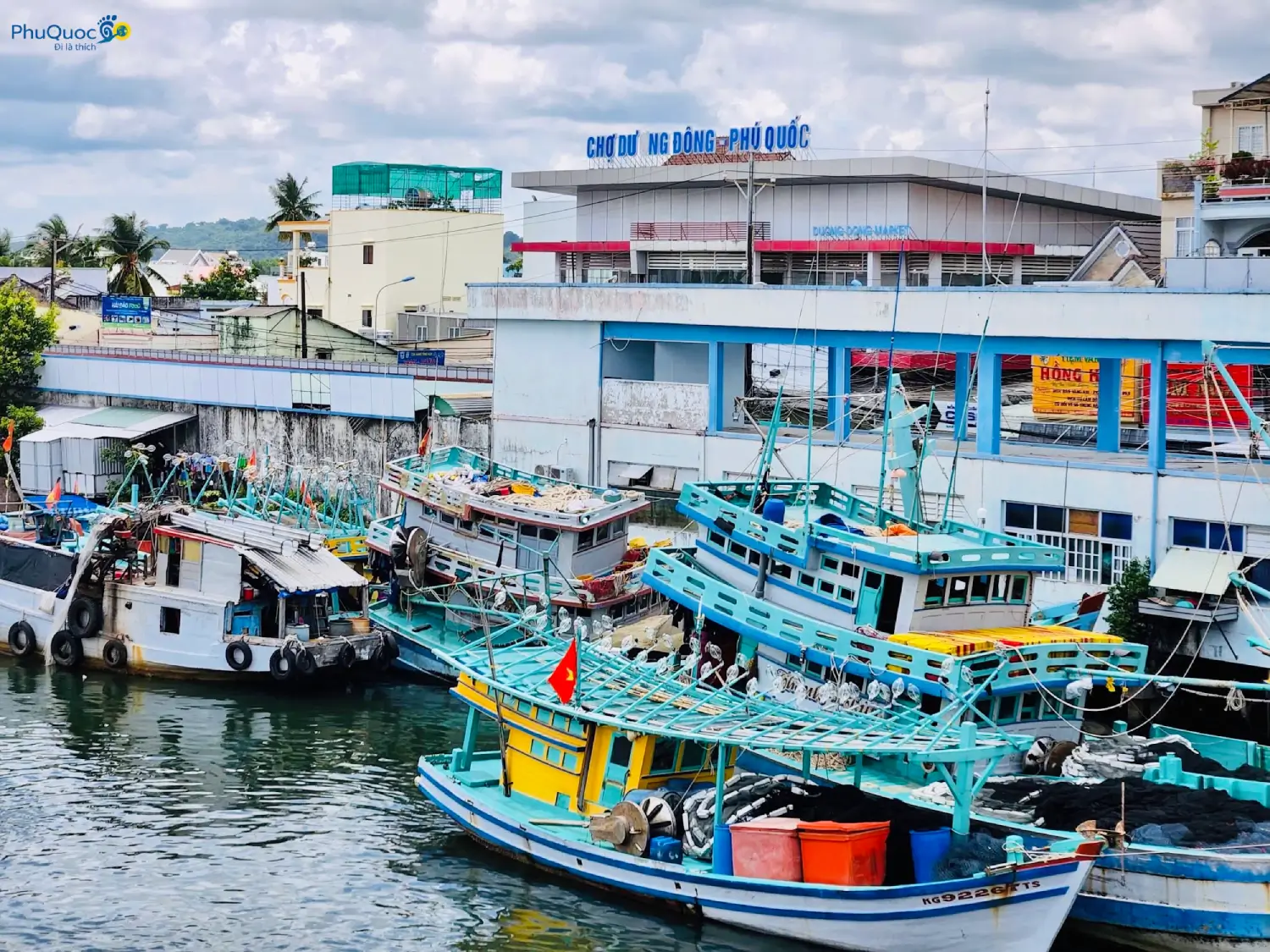


Almost every traveler setting foot on the Pearl Island for the first time wants to visit a Phu Quoc pepper farm to immerse themselves among lush green rows of pepper plants, check in during the colorful harvest, and buy a few jars of aromatic pepper as gifts. However, many leave with regret after visiting in the wrong season (seeing only sparse branches) or falling into traps of buying low-quality, light pepper marked up several times in price.
Having operated tours and guided thousands of guests on the Pearl Island for years, I will help you completely resolve these worries. This article provides a list of the 5 most reputable farms, the best time to shoot photos of bright red ripe pepper, and secrets to distinguish local specialty pepper varieties.
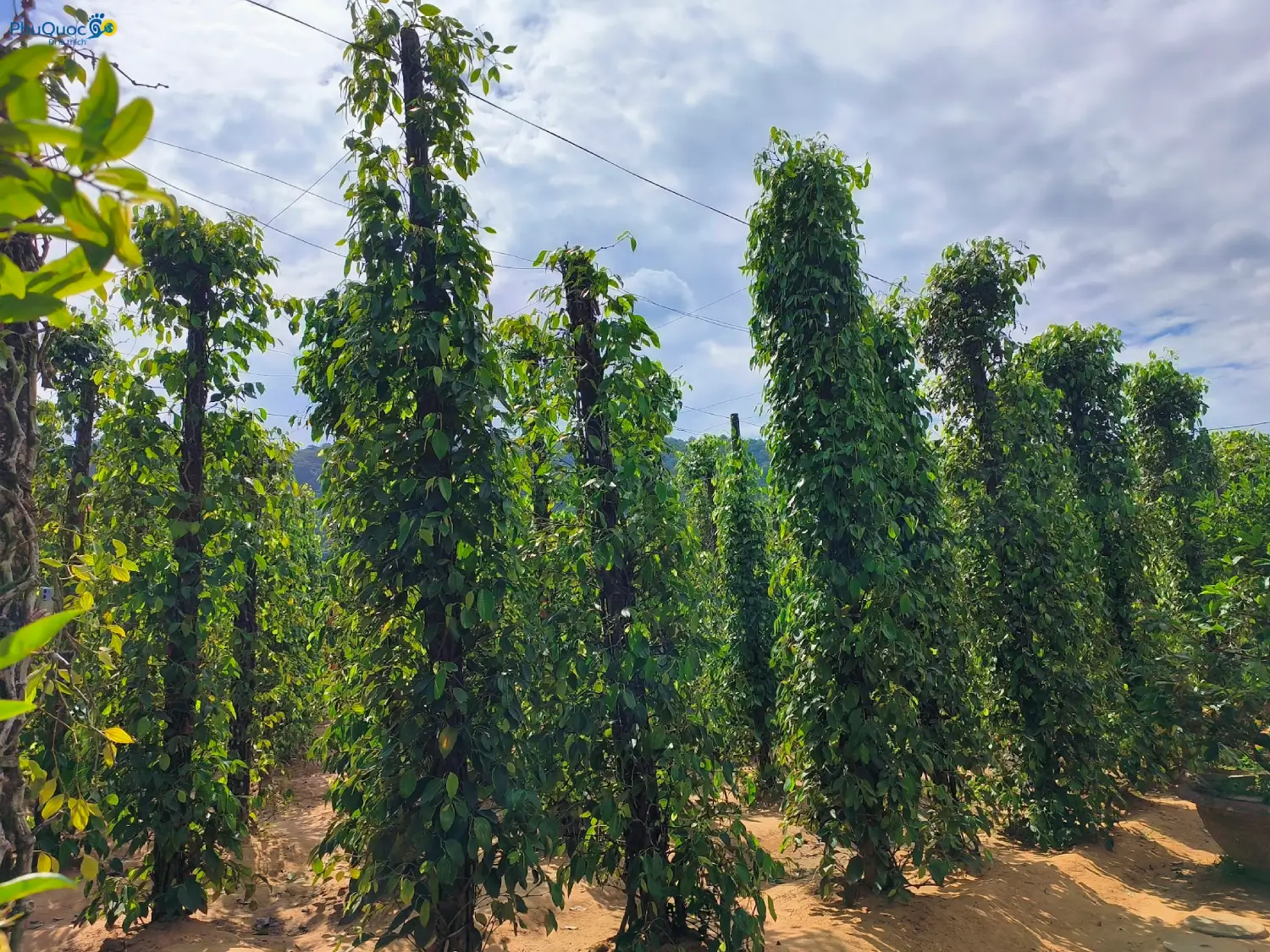
Why Is Phu Quoc Pepper Called the “Black Gold” of the Pearl Island?
It is no coincidence that black pepper has become a famous agricultural symbol of Phu Quoc alongside traditional fish sauce. This fame stems from superior quality that far surpasses ordinary commercial yield, tied to over a century of Phu Quoc history.
- Unique basalt red soil: Key growing regions such as Cửa Dương or Suối Đá possess mineral-rich red basalt soil. This helps plant root systems grow healthy, producing firm peppercorns with thin skins and extremely dense interiors.
- Tropical coastal microclimate: Thanks to abundant rainfall (over 3,000 mm/year) and high humidity year-round, pepper plants on the island accumulate essential oil contents many times higher than mainland pepper.
- Natural sun-drying process: Pearl Island locals strictly say no to industrial drying. After harvesting, peppercorns are hand-dried under the intense coastal sun, allowing them to dry slowly, naturally ferment lightly, and preserve their full layer of aromatic essential oils. The warm, pungent spiciness of sun-dried pepper not only enhances seafood dishes but also highlights the rich flavor of famous bún kèn Phú Quốc.
Local insight: The Phu Quoc “pepper belt” concentrates mainly in the North and Center of the island, running along the route from Dương Đông town through Cửa Dương, Suối Đá, up to Khu Tượng. This location makes it very convenient to combine a half-day trip with nearby attractions.
Detailed Review of the Top 5 Famous Phu Quoc Pepper Farms in 2026
Below are 5 farms rated highest by travelers and tour operators for authenticity, rustic atmosphere, and product quality.
1. Hai Duong Pepper Farm – A Slow-Living Farmstay Space
- Address: Group 2, Hamlet 4, Cửa Cạn, Phú Quốc City
- Phone: 0352 172 462
- Highlights: A hybrid model combining an agricultural pepper farm with resort homestays/bungalows.
If you want to get away from the noisy center, Hai Duong Pepper Farm is an ideal choice. This place offers a true “slow living” experience where you can wake up to the gentle scent of pepper leaves, help the farm owner tend plants, and enjoy home-cooked family meals. The atmosphere here is extremely suitable for families or young groups wanting a deeper local culture experience.
2. Duc Thanh Pepper Farm – Steeped in Traditional Cultivation
- Address: Cửa Lấp Hamlet, Dương Tơ Commune, Phú Quốc City
- Phone: 0939 684 142
- Highlights: A family farm that preserves a manual processing workflow.
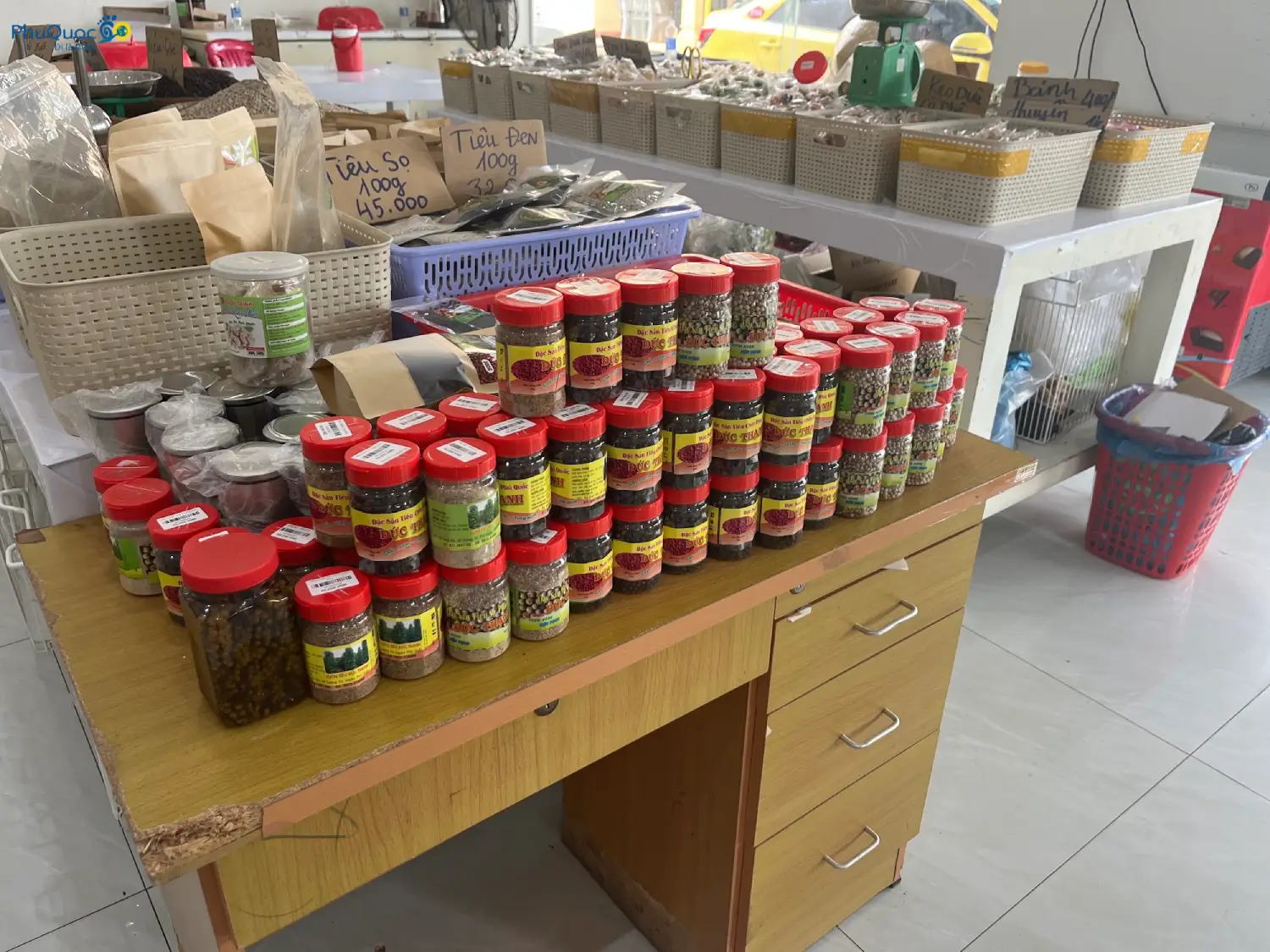
Duc Thanh Pepper Farm attracts visitors with its intimate space and the owner’s warm hospitality. The biggest plus here is the live processing area: you will be guided on how to distinguish the aroma and heat levels of black pepper and white pepper on the spot before deciding to buy. Try a fresh peppercorn picked straight off the branch; the sharp spice hitting your nasal passages will leave an unforgettable impression.
3. Ngoc Ha Pepper Farm – Tranquil, Rustic & Famous for Family Pickles
- Address: Suối Đá Hamlet, Dương Tơ Commune, Phú Quốc City
- Phone: 0972 919 413
- Highlights: Less commercialized with a peaceful atmosphere suitable for couples.
Ngoc Ha is one of the rare pepper farms that retains a simple charm without crowd congestion. Beyond sightseeing and photos, visitors here love prepared products made from heirloom family recipes, such as fresh pepper soaked in vinegar (a “divine” dipping accompaniment for seafood), rich sugar-glazed pepper paste, and healthy medicinal pepper salt.
4. Huynh Thy Pepper Farm – Closed-Loop Model & Unique Culinary Offerings
- Address: Suối Mây Hamlet, Dương Tơ Commune, Phú Quốc City
- Phone: 0902 744 250
- Highlights: A pepper farm integrated with a restaurant and a breezy garden cafe.
If your trip includes seniors or young children, Huynh Thy is a stop you should not miss. The location features spacious grounds with innovative menu items like pepper coffee or mildly spicy pepper ice cream that burst with flavor. Shopping here is also very convenient because pepper salt mixes and pickled pepper jars come neatly packaged, perfect for gifts.
5. Khu Tuong Pepper Farm – The Oldest “Green Maze” on Phu Quoc
- Address: Khu Tượng Hamlet, Cửa Dương Commune, Phú Quốc City
- Phone: 0933 535 199
- Highlights: The largest pepper cultivation scale on the island with straight rows of posts.
Khu Tượng serves as the pepper “capital” of the Pearl Island. Pepper posts standing 3 to 5 meters tall are planted neatly to form a shaded green maze. During harvest season, the entire area brightens up with clusters of ripe red pepper interwoven among fresh green foliage. This is the ideal spot to shoot panoramic photos.
Must-Try Experiences at Phu Quoc Pepper Farms
1. Snapping Red Ripe Pepper Photos (Golden Moments)
- Best time: From mid-December to late March every year. This is Phu Quoc’s dry season when peppercorns ripen fully, covering green posts in bright red hues.
- Golden hours: 3:30 PM – 5:00 PM when the afternoon sun softens, slanting through leaves to create stunning light effects.
- Photography tips: Wear light-colored clothing (white, bright yellow, or red) to stand out against the green backdrop. Lower your camera angle and tilt slightly upward to showcase the height of the pepper posts.
2. Hands-On Agricultural Experience
Most major pepper farms in Phu Quoc offer free admission. Visitors can:
- Observe unique climbing techniques on wooden posts and concrete pillars.
- Climb wooden ladders and carry bamboo baskets alongside local farmers to pick ripe pepper clusters firsthand.
- Learn about the soaking process to strip outer skins for white pepper or watch black pepper sun-drying on breezy concrete courtyards.
3. Enjoying Farm-Fresh Flavors
Do not forget to chew on a fresh red peppercorn picked directly off the vine to feel an initial mild sweetness followed instantly by a sudden burst of heat. You can also sample refreshing pepper lemonade or buy boiled seafood dipped in freshly mixed lemon pepper salt on the spot.
Suggested itinerary: If traveling along the Dương Tơ – Suối Mây route, after visiting a pepper farm, you can combine relaxation at refreshing Suối Mơ Phú Quốc, explore history at Phu Quoc Prison, or book a full-package 1-day South Island Phu Quoc tour for convenient door-to-door shuttle service.
Product Types, Price List & Buying Tips to Avoid Traps
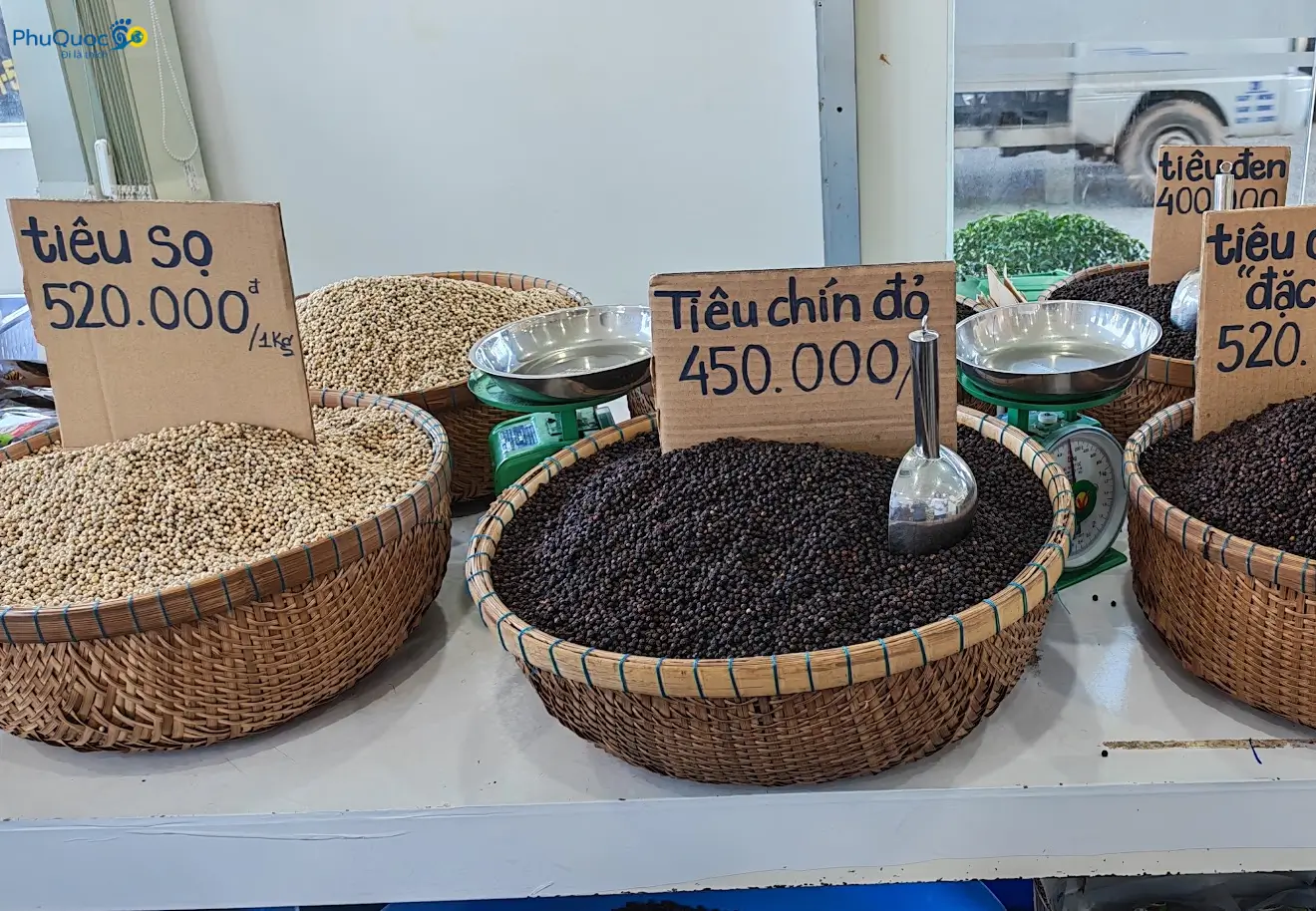
1. Distinguish 3 Phu Quoc Specialty Pepper Varieties
| Pepper Type | Harvest & Processing Characteristics | Flavor & Sensory Profile | Culinary Uses | Reference Price (per kg) |
| Black Pepper | Harvested when berries just mature, naturally sun-dried to wrinkle skins. | Bold heat, wrinkled outer skin, firm plump berries. | Most common: marinating meat/fish, daily dish seasoning. | $10.7 – $15.2 |
| Red Pepper (Pink Pepper) | Left to ripen fully red on vines before harvesting and sun-drying. | Mild heat, long-lasting aroma, non-pungent. | Premium gifts, sprinkled on steak, salad, or Western dishes. | $14.5 – $17.1 |
| White Pepper (Skull Pepper) | Select fully red ripe berries, soak in water for days to rub off outer skins. | Refined delicate aroma, fast-hitting heat, minimal pungency. | Used in soups, bone broths, steamed seafood requiring light color preservation. | $17.1 – $20.9 |
2. Local Guide to Buying Authentic High-Quality Pepper
To avoid buying mislabeled, low-quality goods, keep these inspection tips handy:
- Berry firmness: Quality peppercorns must be large, uniformly round, and firm. Rubbing them gently between your palms releases a clean, pure aroma immediately. Completely avoid light, hollow berries that show signs of dampness or mold.
- Drying method: Naturally sun-dried pepper features a subtle matte color and evenly wrinkled skin. Machine-dried pepper often has an artificial dark black color and loses a significant portion of its aromatic essential oils.
- Where to buy: Purchase directly at reputable farms or specialty stores with clear addresses. Avoid buying unbranded bags sold randomly from street carts.
- Home storage: Place pepper in an airtight glass jar stored in a cool, dry place. Stored properly, Phu Quoc peppercorns preserve their full flavor for 1 to 2 years.
Visitor Preparation Guide for Pepper Farms
- Attire: Choose breathable, sweat-wicking clothing. Bring a wide-brimmed hat and sunglasses since dry season weather gets quite sunny.
- Footwear: Farm soil consists of fine red basalt dirt. Wear sneakers or flat sandals. Avoid high heels or white canvas shoes as they stain easily from red dust.
- Personal items: Bring insect repellent since garden areas have abundant shaded vegetation.
- Farm etiquette: Never snap branches, pick green pepper clusters without permission, or step on irrigation systems.
Conclusion
A Phu Quoc pepper farm is not just a place to grab a few bags of gifts, but a meaningful agritourism journey. It helps you understand the dedication of island farmers meticulously caring for each pepper post amidst coastal sun and wind.
If you are planning your upcoming Phu Quoc trip and need advice on cost-effective itineraries combining pepper farms with South or North Island attractions, feel free to contact us for friendly local support!
Frequently Asked Questions
Is there an entrance fee to visit Phu Quoc pepper farms, and are visitors pressured to buy products?
Visitors can freely take photos, stroll around, and chat with farm owners without paying any fees. However, if you appreciate the owner's hospitality, you can support them by purchasing a small jar of sugar-glazed pepper salt or whole peppercorns (priced from $1.1 – $1.9) as a friendly thank-you.
Is it better to buy Phu Quoc pepper at night markets or directly at farms for higher quality?
While Phu Quoc Night Market has many reputable stalls, it also features mixed pepper products brought from the mainland sold at inflated prices. Purchasing at farms allows you to taste flavors directly on-site and observe the drying and sifting process, giving you 100% peace of mind regarding quality.
Which is better between Phu Quoc red pepper and white pepper, and which should I choose as a gift?
Choose red pepper: If gifting partners or relatives who love Western cooking, steaks, or salads, as red peppercorns look beautiful on dishes and hold aroma long. Choose white pepper: If gifting mothers or those who enjoy Asian soups and steamed seafood, as white pepper will not darken broth color.
Which season is best to visit Phu Quoc pepper farms for shooting red ripe pepper photos?
During this period, Phu Quoc enters the dry season with brilliant golden sunshine, and pepper berries ripen fully on vines. If you visit during the rainy season (June to October), farms stay green, but plants mainly grow leaves and green berries, while farm dirt paths become quite muddy.
How should I handle Phu Quoc pepper if it gets moldy or loses aroma over time?
Phu Quoc peppercorns contain high levels of essential oils, making them extremely sensitive to humid air. Divide pepper into small jars for daily use, and vacuum-seal or tightly close glass jars for the rest. Never use wet spoons to scoop pepper from jars.