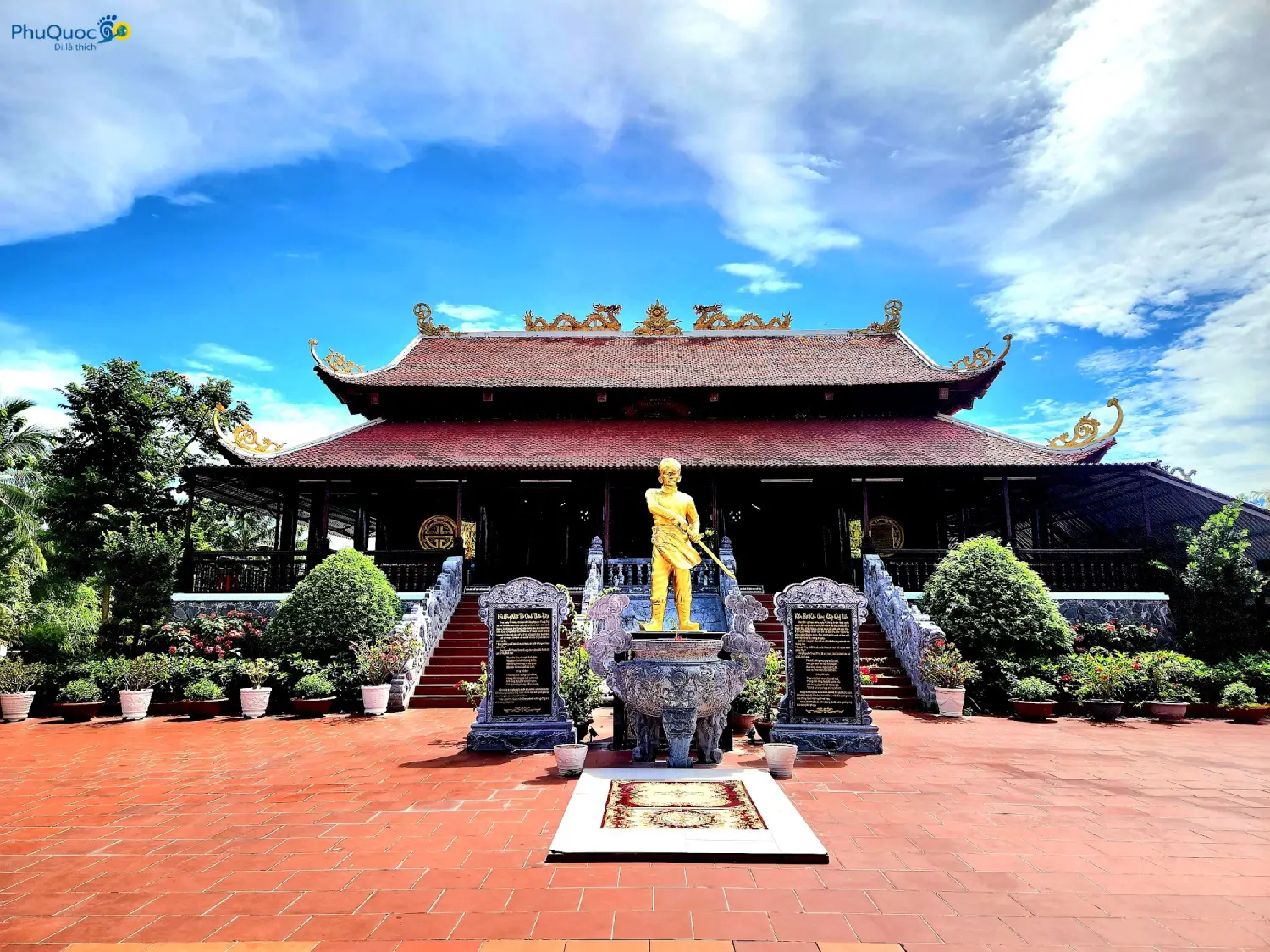


The sea breeze carries a faint scent of traditional fish sauce, lively car horns echo from 30 Tháng 4 Street, then fade amid wisps of incense smoke and the gentle sound of waves along the left bank of the Dương Đông River… This is the reflective setting that we—longtime Phu Quoc tour operators—always want to introduce to travelers seeking a meaningful moment of quiet in the heart of the Pearl Island.
Travelers visiting Dương Đông, Phu Quoc often focus on crowded, lively photo spots and unintentionally overlook small corners that reflect the spiritual traditions of local residents. Countless online reviews also confuse the 300-year-old Dinh Giếng Tiên in Dương Đông with the Giếng Tiên historic site (Gia Long Well) at Ông Đội Cape in the south of the island.
This article will help clear everything up. We will take you to Dinh Giếng Tiên on 30 Tháng 4 Street, explain the remarkable freshwater spring beside a saltwater river, and explore the historical accounts associated with national hero Nguyễn Trung Trực.
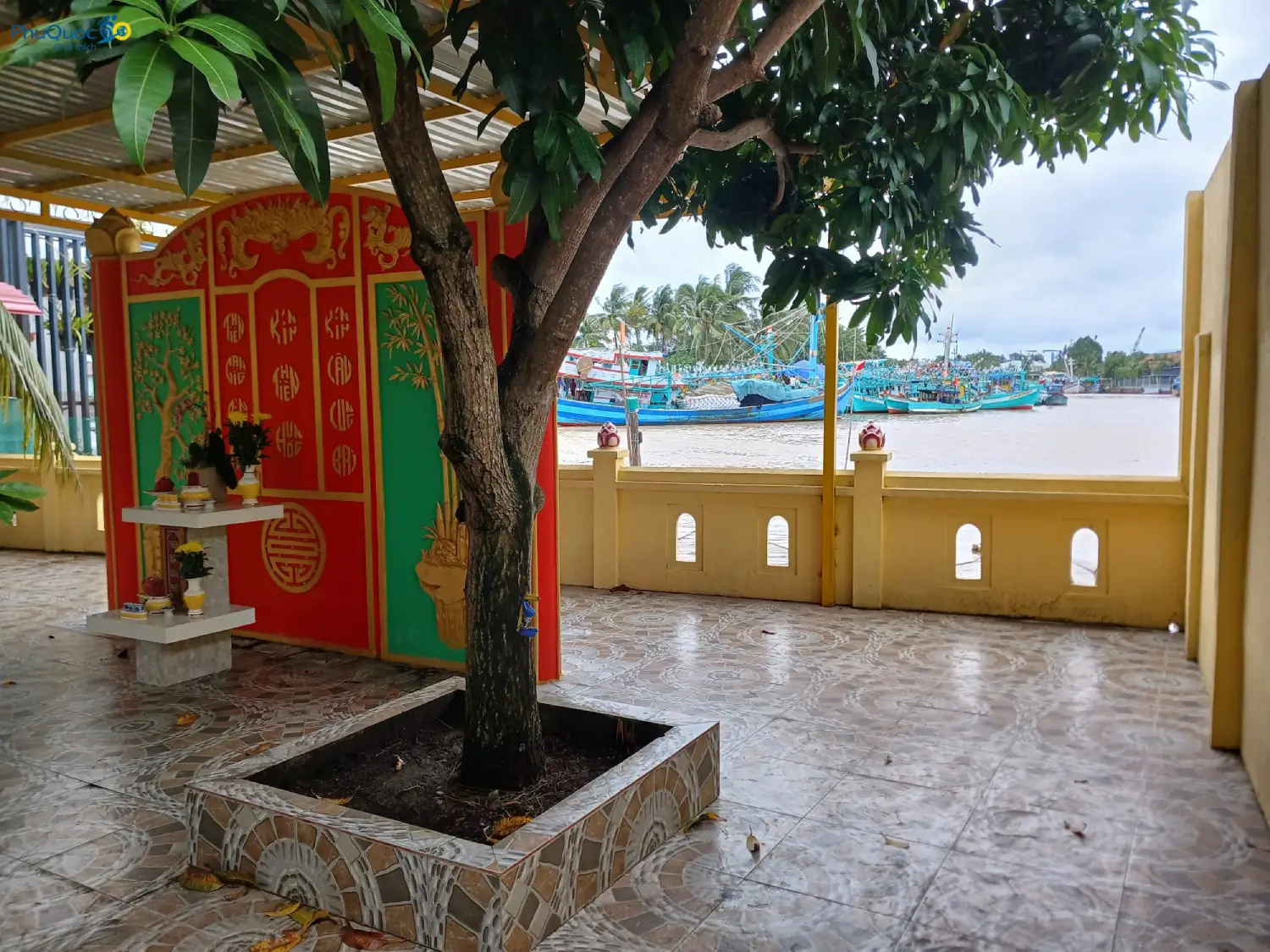
How many Giếng Tiên wells does Phu Quoc have? Distinguishing Dinh Giếng Tiên in Dương Đông from Giếng Tiên at Ông Đội Cape
The Pearl Island actually has two historic sites named Giếng Tiên, in completely different locations and with separate historical stories. Confusing the two has led many independent travelers to “take the wrong road and look in the wrong place.”
To help you understand the difference and plan your itinerary, we have put together the detailed comparison table below:
| Criteria | Dinh Giếng Tiên (Dương Đông) | Giếng Tiên at Ông Đội Cape (South Phu Quoc) |
| Location | Directly on 30 Tháng 4 Street, beside the left bank of the Dương Đông River, in central Dương Đông Ward | Ông Đội Cape area, An Thới Ward (South Phu Quoc) |
| Other names | Miếu Giếng Tiên, Tiên Tỉnh | Gia Long Well, Giếng Ngự |
| Historical significance | The earliest Vietnamese settlers, Nguyễn Trung Trực’s resistance base against the French | The legend of King Gia Long (Nguyễn Ánh) seeking refuge |
| Worship traditions | Worship of Chúa Ngọc Nương Nương (Thiên Y A Na) | Worship of King Gia Long, a historic and scenic site |
| Type of experience | Culture, spirituality, and the island’s historical depth | Coastal and island scenery, nature experiences |
| Cost & Transportation | Free admission, very easy to reach by motorbike or taxi | Requires traveling to the south of the island, within an area managed by a service operator |
While Giếng Tiên in Phu Quoc in the south of the island is famous for its dramatic natural scenery along the An Thới coast, Dinh Giếng Tiên in Dương Đông preserves a quiet piece of the past, recalling how earlier generations settled the land.
The history of Dinh Giếng Tiên in Phu Quoc: 300 years alongside the island’s early settlers
Looking back through Phu Quoc’s history, Dinh Giếng Tiên is more than an old shrine; it is living evidence of the earliest days when Vietnamese settlers arrived on the island.
- The first freshwater spring: Giếng Tiên in Dương Đông is recorded as one of the first natural freshwater sources discovered by migrants arriving to clear and settle the land. This water source helped earlier generations withstand the harsh conditions of a remote island.
- Recorded in Nguyễn Dynasty royal decrees: Giếng Tiên was not only passed down through folk accounts but also officially recorded in historical texts and royal decrees of the Nguyễn Dynasty. The well’s name helped shape the names of places and old villages on the island, such as Tiên Tỉnh Village and Phú Đông Village.
- Traces of Nguyễn Trung Trực’s resistance fighters: This place marks a heroic chapter in the resistance against the French. When establishing a resistance base on the island, hero Nguyễn Trung Trực and his fighters moved from Hàm Ninh to Dương Đông, using the water source and terrain around Giếng Tiên to sustain their forces. You can learn more about his life at Nguyễn Trung Trực Temple.
A local perspective: Older residents of Dương Đông recall that this area was once covered in dense forest. The well was a life-sustaining “supply station” for both the resistance fighters and the villagers. Whenever local residents visit the shrine to light incense, they respectfully remember the contributions of earlier generations who settled the land and protected the village.
The mystery of Giếng Tiên’s water: A refreshing freshwater spring beside a saltwater river
What surprises geologists and visitors most is the remarkable natural phenomenon at this old well.
Although it lies only a few steps from the saltwater Dương Đông River, the well supplies fresh water year-round:
- A distinctive structure: The well was not dug dozens of meters into the ground by people. It is only about 1 thước deep (just over 1 meter), resembling a natural groundwater pool fed by water rising through layers of mudstone and sand beside the river.
- The remarkable effect of rising tides: During high tides, salty river water floods the well. However, once the tide recedes, residents only need to scoop away the surface layer of river water for the natural freshwater spring to reappear underneath, without immediately mixing with the river water or becoming salty.
- Water characteristics: The well’s water has long been known for feeling cool and clean when used for bathing and having a mildly sweet, gentle taste when drunk.
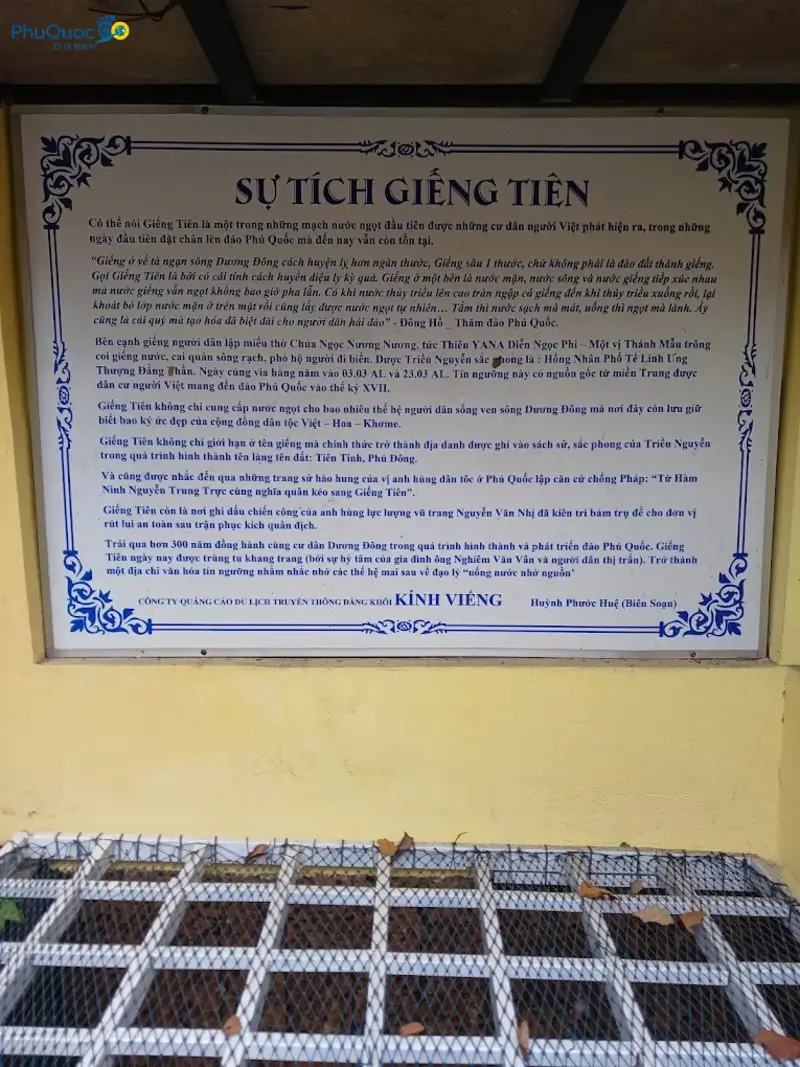
The worship of Chúa Ngọc Nương Nương at Miếu Giếng Tiên
Alongside the remarkable water source are the deep spiritual traditions of Dương Đông’s residents. In gratitude for the life-saving water and to pray for favorable weather, Vietnamese settlers arriving from Central Vietnam began building a shrine in the 17th century to worship Chúa Ngọc Nương Nương (Thiên Y A Na Diễn Ngọc Phi) right beside the well.
The Nguyễn Dynasty granted this Mother Goddess the title Hồng Nhân Phổ Tế Linh Ứng Thượng Đẳng Thần, overseeing wells, rivers, and creeks and protecting fishermen as they headed out to sea to earn their livelihoods. Giếng Tiên has served not only as a freshwater source for daily life across generations but also as a place preserving the shared memories of three ethnic communities—Vietnamese, Chinese, and Khmer—living peacefully together along the Dương Đông River.
- Annual worship dates: The 3rd day of the 3rd lunar month and the 23rd day of the 3rd lunar month. If you visit the shrine on these dates, you can join local residents in the solemn atmosphere of their traditional worship ceremonies.
Together with Dinh Cậu in Phu Quoc and Dinh Bà Thủy Long Thánh Mẫu, Dinh Giếng Tiên provides a strong spiritual foundation for the seafaring community. Today, contributions from local residents have funded the shrine’s restoration, making it one of Phu Quoc’s spiritual sites well worth visiting to pay your respects.
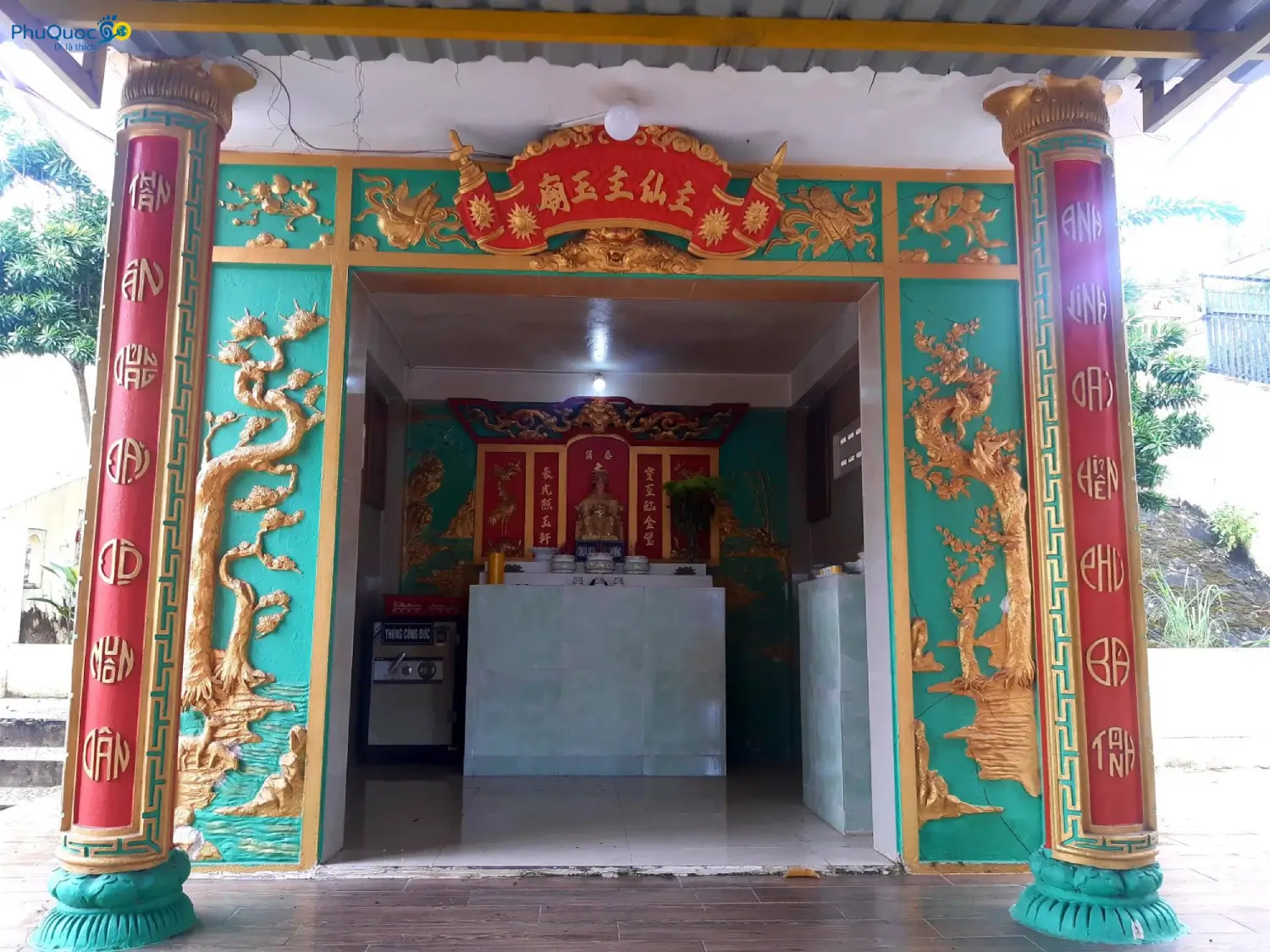
A guide to visiting Dinh Giếng Tiên independently
If you would like to visit this quiet historic site, here is the practical information we have compiled:
- Address: 30 Tháng 4 Street, Dương Đông Ward, Phu Quoc City (on the left bank of the Dương Đông River).
- Opening hours & Admission: Open throughout the day; no admission fee.
- Best times to visit: 7:00 – 9:00 in the morning (fresh riverside air and gentle sunlight) or 16:00 – 17:30 in the afternoon (to watch the sunset over the Dương Đông River).
Things to keep in mind & Local tips:
- The old well’s current condition: The well is now enclosed with a sturdy iron frame to protect the water source and historic site. Visitors can observe the well and spring through the protective mesh rather than directly scooping out or clearing away water as people once did.
- Clothing: Because this is a peaceful place of spiritual worship, you should wear respectful, modest clothing (a shirt with sleeves and pants or a skirt extending below the knees).
- Suggested itinerary: You can visit Dinh Giếng Tiên in the morning, then shop for fresh seafood at Dương Đông Market nearby, or continue your trip with a Phu Quoc 4-Island Tour to explore the natural coastal and island scenery of South Phu Quoc at midday.
Dinh Giếng Tiên in Dương Đông reveals a very different side of Phu Quoc: beyond blue seas, white sand, and busy entertainment complexes, the island also has 300 years of history and deep spiritual and cultural traditions. Visiting the old shrine beside the Dương Đông River, lighting a stick of incense, and observing the remarkable freshwater spring will bring you an unexpected sense of peace during your trip.
If you would like to explore both the history of the island’s center and the unspoiled beauty of its southern waters and islands, take a look at the Phu Quoc 3-Island Tour for the most fulfilling and memorable trip.
Frequently asked questions (FAQ)
How many Giếng Tiên wells does Phu Quoc actually have?
Travelers can easily confuse these two places. If you want to learn about 300 years of settlement history and Nguyễn Trung Trực's resistance base, visit the well in Dương Đông. If you want to see the coastal scenery of South Phu Quoc and traces of King Gia Long's time in refuge, choose Giếng Tiên at Ông Đội Cape.
Where is Dinh Giếng Tiên in Dương Đông, and how do I get there?
From Dương Đông Market, it takes only about 3 - 5 minutes by motorbike or taxi, following 30 Tháng 4 Street toward Suối Tranh. The shrine is right beside the river and easy to recognize by its well-maintained entrance gate and airy setting.
Can you drink the water at Dinh Giếng Tiên directly?
Although the groundwater still flows naturally and is clear and fresh, Dương Đông is now more densely populated than it once was. Visitors should avoid drinking water that has not been boiled to fully protect their health.
Is there an admission fee for Dinh Giếng Tiên, and how long does a visit take?
You should combine an early-morning visit to the shrine, while the air along the Dương Đông River is still fresh, with a stop at a local eatery for bún quậy or a coffee overlooking the river right nearby.
Which historical figure is associated with Dinh Giếng Tiên?
When moving their forces from Hàm Ninh to Dương Đông, Nguyễn Trung Trực's resistance fighters used freshwater from Dinh Giếng Tiên for daily life and their encampment, making this a key location in the resistance.
What is the best time of day to visit Dinh Giếng Tiên?
Avoid visiting the shrine around midday (11:30 – 14:00), as the strong riverside sun can leave you feeling tired. In the late afternoon, sunlight falls across the Dương Đông River, creating a poetic and peaceful scene.
When are the annual worship ceremonies at Dinh Giếng Tiên in Dương Đông?
On these two days, Dương Đông residents and riverside fishermen gather at the shrine to present offerings and light incense, praying for favorable weather and safe journeys at sea. You can visit at this time to get a clearer sense of local spiritual traditions.