

The salty sea taste blending into the South Island breeze, the sound of waves rustling against the pristine rocky coast at the tip of Ong Doi Cape, and the feeling of sipping cool fresh water right at the edge of the ocean waves… these are sensory experiences unique to Fairy Well Phu Quoc. This place holds mysterious legends and untouched natural scenery, yet many tourists watching short online reviews easily end up disappointed (imagining a grand stone well structure) or struggle to find their way, sometimes falling into price-gouging traps from independent wooden motorboats and speedboats.
In this article, we lay out the most practical and complete guide. We will help you distinguish folk legends from scientific geological perspectives, suggest budget-friendly routes, show how to combine a visit to Khem Beach, and share important safety tips from our years of field tour experience on the pearl island.

Why Is Fairy Well Phu Quoc a Special Destination Yet Easily Disappointing?
South Phu Quoc Island is famous for luxury resorts and lively entertainment complexes. However, for those seeking a quiet retreat, Fairy Well Phu Quoc (also known as Royal Well Phu Quoc or Gia Long Well Phu Quoc) is a lesser-known spot in Phu Quoc that carries full natural and spiritual value.
Even so, the actual visiting context here poses a few challenges for independent travelers:
- Isolated location: Located in a prime yet hidden spot at Ong Doi Cape, the path is not smooth like mainstream tourist areas.
- Misguided expectations: Many people imagine Fairy Well as a large brick-built water well. In reality, it is just a small natural rock cavity fed by groundwater. Without understanding the historical backstory and geological phenomenon behind it, you might feel there is “nothing to see.”
- Spontaneous service pricing: Because it is off the main route, hiring small boats or wooden motorboats on your own without negotiating beforehand can easily lead to inflated prices during peak season.
That is why you need clear information before setting off to keep your trip both affordable and fully rewarding.
Where Is Fairy Well Phu Quoc & Decoding the Fresh Water Phenomenon in the Sea
Geographic Location and Important Distinctions to Avoid Confusion
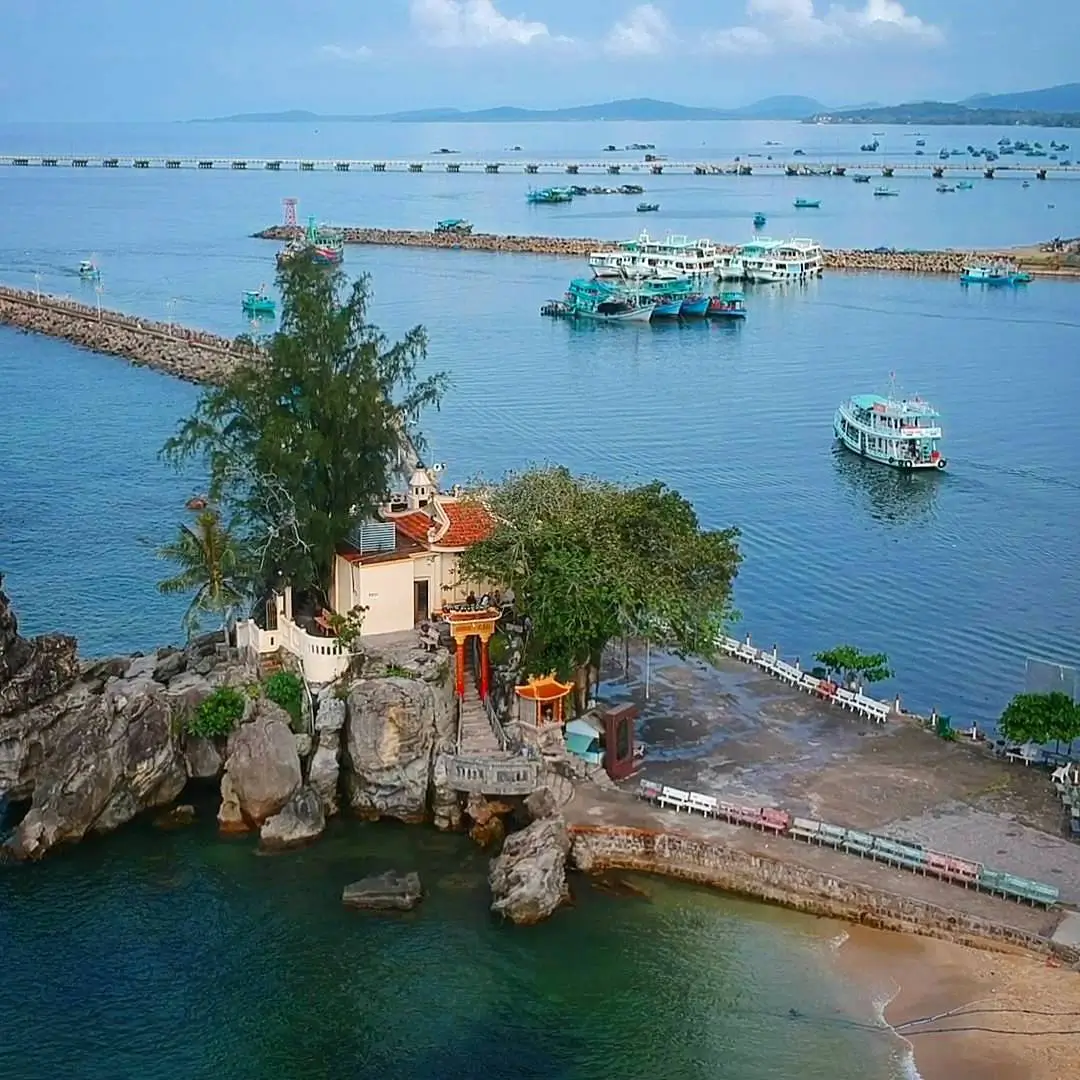
Where is Fairy Well? This destination is located at Ong Doi Cape Phu Quoc, in An Thới Ward, south of the pearl island. The site is sheltered on one side by shaded Phu Quoc primary forest and on the other by a coastline of wild rock formations.
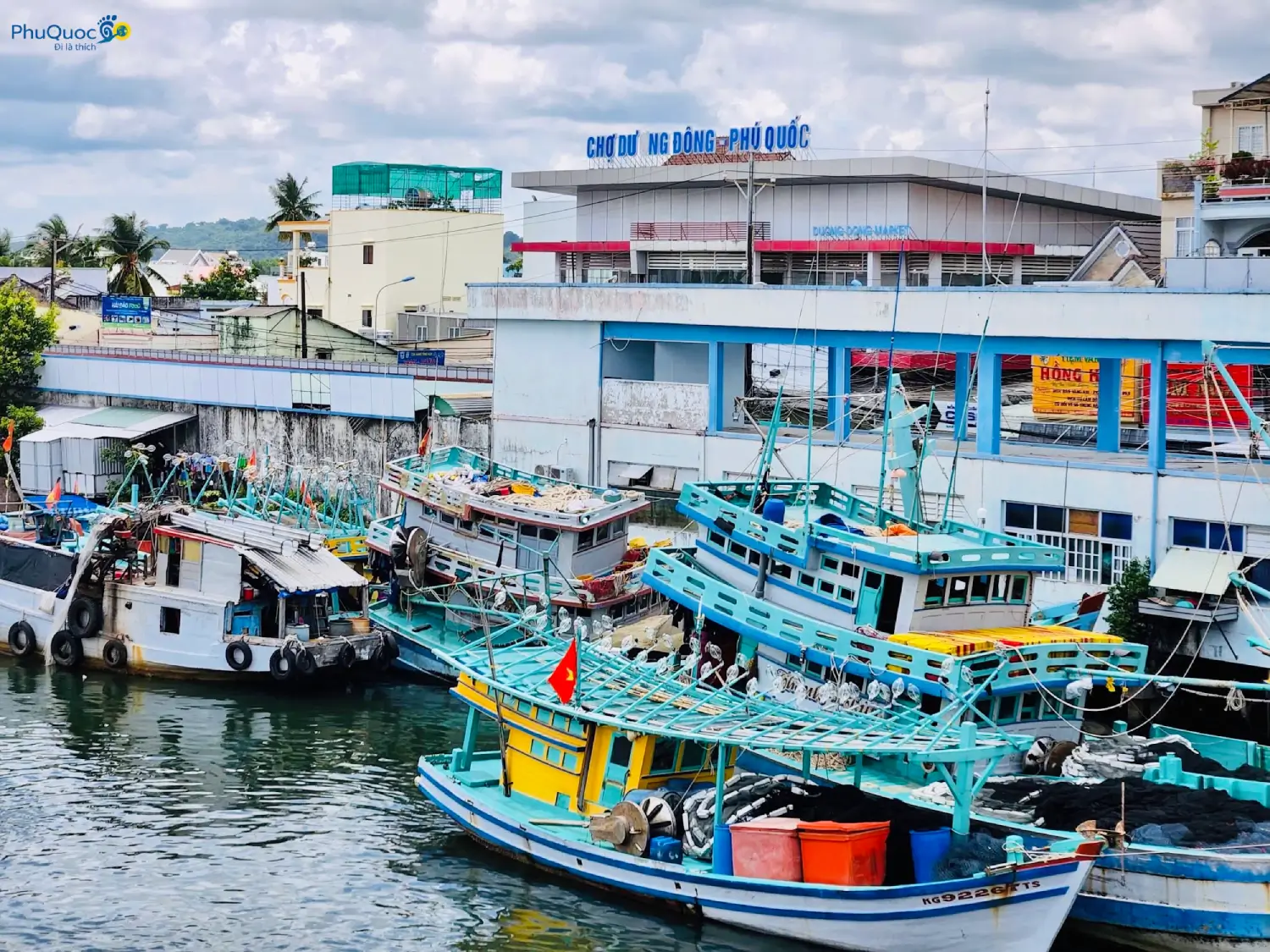
Warning to avoid confusion: Many tourists searching for information confuse Fairy Well Phu Quoc (at Ong Doi Cape) with Dinh Giếng Tiên Temple (located near the Dương Đông River area). Dinh Giếng Tiên Temple in Dương Đông is a folk religious site dedicated to Chúa Ngọc Nương Nương with a long history, completely different in both location and spiritual significance from the fresh water well at Ong Doi Cape.
Scientific Perspective: Why Is There a Fresh Water Well in the Middle of the Sea in Phu Quoc?
The most unique feature attracting visitors is the phenomenon of a fresh water well in the sea in Phu Quoc. Although the opening sits directly on coastal rocks right at the water’s edge, whether high tide rises or ocean waves crash over it, the water source inside the well retains its natural cool, sweet taste year-round.

From a hydrological and geological standpoint:
- This water source is actually a coastal freshwater spring flowing from an underground aquifer beneath limestone veins and primary forest in the Ong Doi Cape area.
- Continuous pressure from rock crevices inland pushes outward, preventing saltwater intrusion from the ocean.
- This rare natural geological phenomenon has a clear scientific explanation, giving visitors an objective perspective alongside legendary stories.
Legend of King Gia Long and Royal Well: Historical Facts & Beliefs
The Legend of Nguyen Anh’s Flight
The names Royal Well or Gia Long Well are tied to the legend of King Gia Long in Phu Quoc passed down through generations of locals.
In the late 18th century, while fleeing the pursuing Tây Sơn army, Nguyễn Ánh (who later became King Gia Long) and his troops washed ashore at Ong Doi Cape. As his soldiers lay exhausted from hunger and lack of drinking water, Nguyễn Ánh plunged his sword deep into the cliffside with deep faith and prayed to the heavens.
Immediately afterward, a stream of fresh water burst forth from a rock crevice. At the same time, schools of small fish surfaced along the shore (later called anchovies by islanders), helping the army survive their crisis.
Assessment from Historical & Religious Angles
When exploring historical sites in Phu Quoc, visitors should distinguish between legend and documented history:
- According to local folklore: This is a story of deep spiritual significance, reflecting the coastal people’s faith in fortune and spirituality.
- According to official records: There is currently no official historical document confirming the event of King Gia Long thrusting his sword to create a well at this location.
Even so, the story turned this location into a sacred spiritual site in South Phu Quoc. Locals built a small shrine (Miếu Giếng Tiên / Miếu Gia Long) right beside it to burn incense and pray for smooth, safe sea voyages. If you want to learn more about the pearl island’s development, you can refer to our article on Phu Quoc History.

Directions to Fairy Well and Transportation Guide 2026
Because it is situated on rocky coastal terrain beside the forest, finding how to get to Fairy Well requires choosing a transportation option suited to your fitness and preferences.
Option 1: Travel by Sea (Speedboat / Wooden Motorboat) – Recommended
This is the safest and most convenient route to Fairy Well for most travelers.
- Route: From Bãi Khem Phu Quoc or An Thới Port, hire a wooden motorboat (small local fisherman boat) or take a speedboat along the coastline toward Ong Doi Cape.
- Travel time: Around 10–15 minutes riding the waves while enjoying South Island coastal views.
- Estimated cost: Around $11.4 – $19.0 per round-trip wooden motorboat (holds 4 to 6 people).
- Local tip: Clearly confirm an all-inclusive price that covers waiting time while you visit Fairy Well (about 30–45 minutes) to avoid unexpected extra charges.

Option 2: Forest Trekking at Ong Doi Cape – For Adventure Seekers
If you enjoy trekking Ong Doi Cape, the path through the primary forest delivers a distinct sense of conquest.
- Route: Follow the trail from Ong Doi Cape peak through old-growth forest canopy down to the Fairy Well rocky shore.
- Experience: Breathe fresh air, admire ancient trees, and listen to distant crashing waves.
- Safety note: This trail is not developed for standard tourism and gets slippery in rainy season. Never go alone; hire a local guide who knows the terrain.
Fairy Well Phu Quoc Review: What Is Worth Experiencing?
Many visitors wonder what Fairy Well has that attracts nature lovers. Here are the most practical insights:
- Pristine nature experience: Unlike central beaches, the environment surrounding Fairy Well is quiet. You can hear waves hitting the rocks and gaze at deep blue skies toward the An Thới Archipelago.
- Light incense for peace: Visit the small shrine next to the well, light an incense stick to feel peaceful, and show respect for local folk beliefs.
- Taste a sip of fresh water: Many visitors scoop a small sip to taste the cool, pure water right surrounded by salty sea waves.

| Criteria | Pros | Cons |
| Scenery & Atmosphere | Pristine, quiet, fresh air, beautiful sea views. | No long sandy beach for easy swimming. |
| Experience Value | Unique cultural, historical, and geological significance. | Small well, not a grand architectural landmark. |
| Tourist Services | Free entrance fee, free to explore. | Lacks service infrastructure (no restrooms or food stalls). |
Suggested 1-Day South Phu Quoc Itinerary Combination
Since exploring Ong Doi Cape and Fairy Well takes only about 1 to 2 hours, you should pair this stop with a South Phu Quoc tour to optimize your time:
- Morning (08:00 AM – 11:30 AM):
- Head to An Thới, hire a wooden motorboat to visit Fairy Well Phu Quoc.
- Enjoy the crisp morning air, burn incense at the shrine, and take photos along the rocky shore of Ong Doi Cape.
- Head back ashore to visit Bãi Khem Phu Quoc, try local gỏi cá trích (herring salad), and go swimming.
- Afternoon (01:30 PM – 06:00 PM):
- Head to Sunset Town, walk around, and take photos at Sunset Town Phu Quoc.
- Watch the sunset over the South Island sea.
- Upgrade option: If you want a full island experience, book a full-day 4-Island Speedboat Tour for snorkeling, then combine it with mainland spots following our 3-Day 2-Night Phu Quoc Itinerary.
Preparation Guide & Important Notes from Tour Operators
For a safe and satisfying trip, save these practical tips for visiting Fairy Well Phu Quoc:
- Best time to visit: The dry season (November through April) offers calm seas in South Phu Quoc, sunny weather, and clear blue water—ideal for both boat rides and trekking.
- Attire & Gear:
- Wear comfortable, lightweight clothing.
- Wear sneakers with good grip, as coastal rocks are slippery and covered in sharp oyster shells.
- Bring personal drinking water, a wide-brim hat, and sunscreen.
- Cultural Etiquette & Environmental Protection:
- Fairy Well is a sacred spiritual site; dress modestly when burning incense at the shrine.
- Protect groundwater—never drop trash, use soap, or pollute the well area.
- Do not carve or graffiti natural rocks around Ong Doi Cape.
Fairy Well Phu Quoc is not just a rare natural fresh water spring amidst salty ocean waters; it also holds rich folk legends tied to the island’s history. Though not a grand monument, a visit to Fairy Well brings quiet moments and a genuine look into local culture.
If you need further advice on travel routes, reliable speedboat rentals, or customized South Island family tours, feel free to contact us for dedicated support!
Frequently Asked Questions About Fairy Well Phu Quoc (FAQ)
Is there an entrance fee for Fairy Well Phu Quoc?
Wooden motorboat rental rates range from $11.4 - $19.0 per round trip. Traveling in a group helps split the cost.
Is the water at Fairy Well really fresh year–round?
Visitors can scoop a small sip by hand to sample the cool, clean taste. However, only taste a small sip for the experience rather than drinking large amounts for hygiene reasons.
What is the best time of day to visit Fairy Well?
Visiting in the morning avoids harsh midday sun on exposed coastal rocks and makes it easy to combine lunch and swimming at Bãi Khem right after.
Can you trek to Fairy Well independently?
The forest trail is dense, lacks signposts, and gets slippery during rainy season. First-time visitors, elderly travelers, or families with young children should choose sea travel for safety.
Are Fairy Well and Dinh Giếng Tiên Temple the same place?
Difference: Fairy Well in An Thới is famous for its coastal freshwater spring and King Gia Long legend. Meanwhile, Dinh Giếng Tiên Temple in Dương Đông is a shrine dedicated to Chúa Ngọc Nương Nương.
What should you wear when visiting Fairy Well?
Coastal rocks around the well are steep and lined with sharp oyster shells. Avoid high heels or slippery flip-flops to prevent falls and injuries.