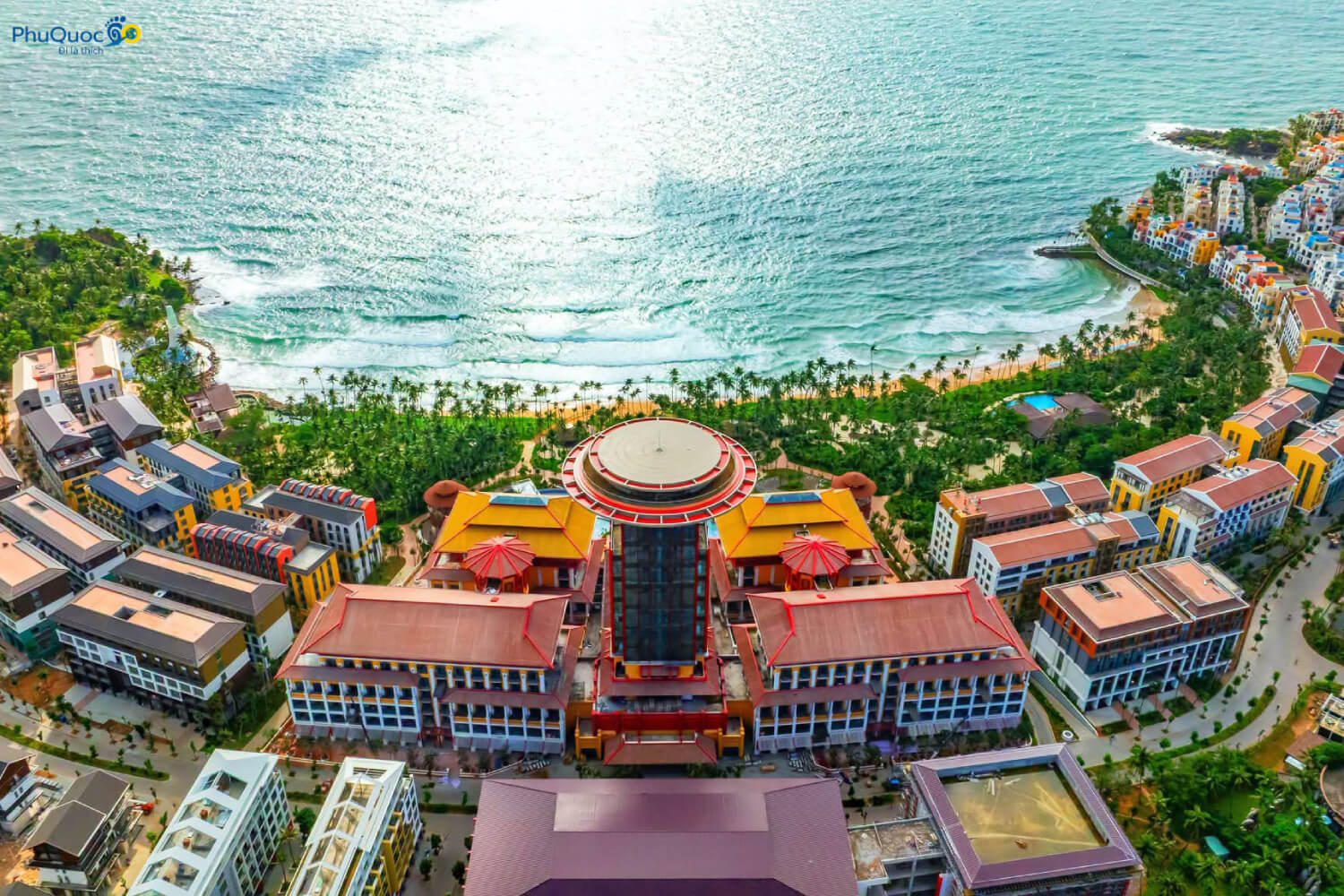
Many travelers planning a trip to the South Island often wonder what makes Hòn Xưởng special, whether it is truly as untouched as rumored, or if it is just online hype. On top of that, current information about sightseeing fees and island services is quite conflicting, which easily confuses first-time visitors.
Backed by years of experience operating tours and personally taking thousands of guests out to sea, we will cover everything from the latest administrative location and 2026 Marine Protected Area entrance fees to detailed directions and the most practical tips. This guide will give you the clearest picture before you pack your bag and head out.
Why Do You Need Updated Information on Hòn Xưởng Right Now?
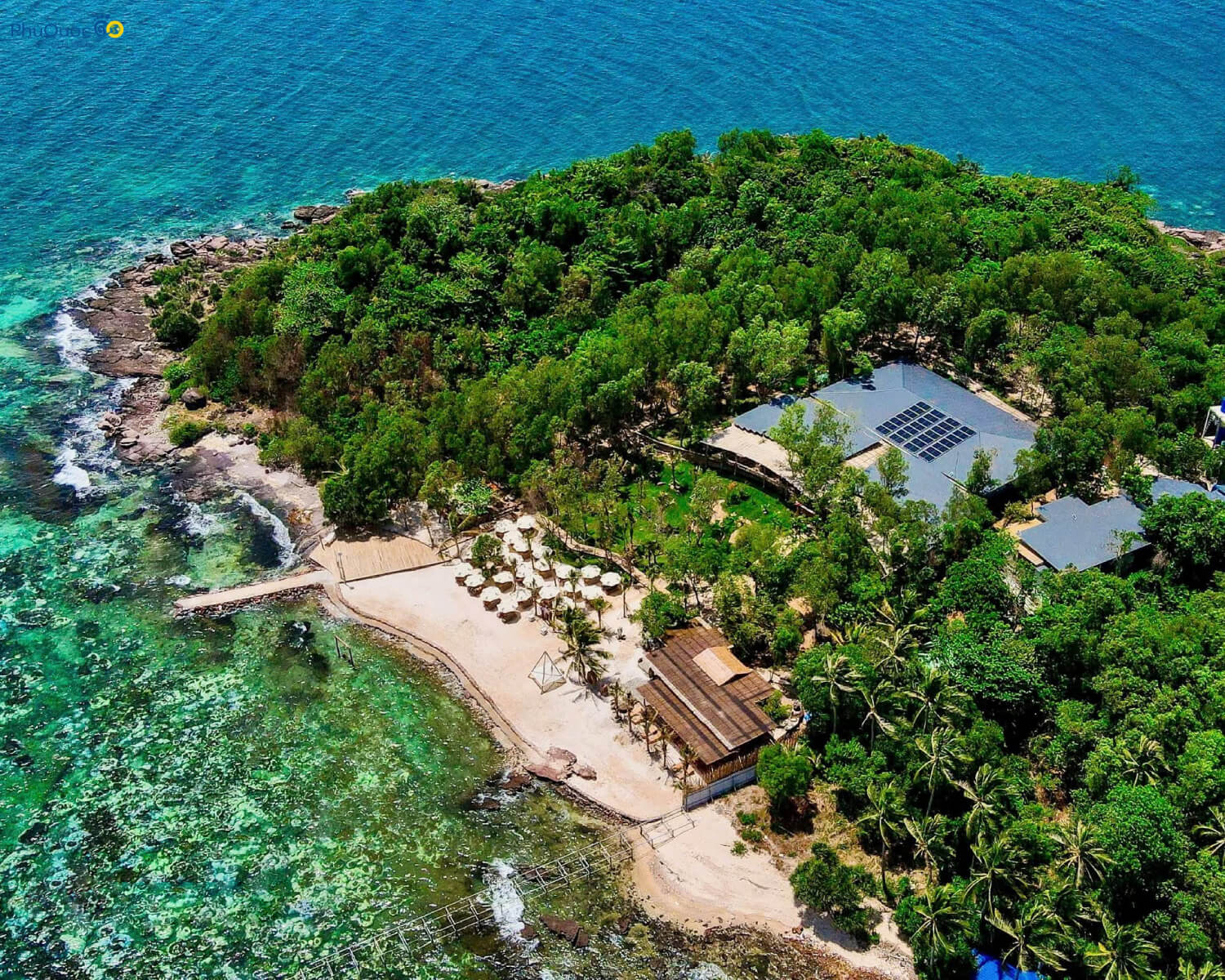
Unlike islands with heavily developed tourism, Hòn Xưởng still retains its original untouched character. However, because of this remoteness, travel information about the island is often mixed up:
- Service misinformation traps: Some websites advertise luxury resorts or ocean-view restaurants on Hòn Xưởng, but in reality, the island has no power grid and no operating accommodations at all.
- Changes in regulations & fees: The year 2026 marks major updates regarding the administrative management unit as well as entrance fees for the Phú Quốc Marine Protected Area. Without knowing these details, you can easily get caught off guard or end up overpaying unnecessary fees.
Where Is Hòn Xưởng? Location and 2026 Administrative Updates
Hòn Xưởng (also known as Hòn An Tây) is a small island located in the An Thới Archipelago in Phú Quốc, in the southern waters of the Pearl Island.
Key 2026 Administrative Note: Under Resolution 1654/NQ-UBTVQH15 (effective July 1, 2025), Hòn Xưởng now belongs to Phú Quốc Special Zone, An Giang Province. Visitors should keep this detail in mind to avoid looking up the old address (Hòn Thơm Commune, Phú Quốc District, Kiên Giang Province) on administrative paperwork or outdated maps.
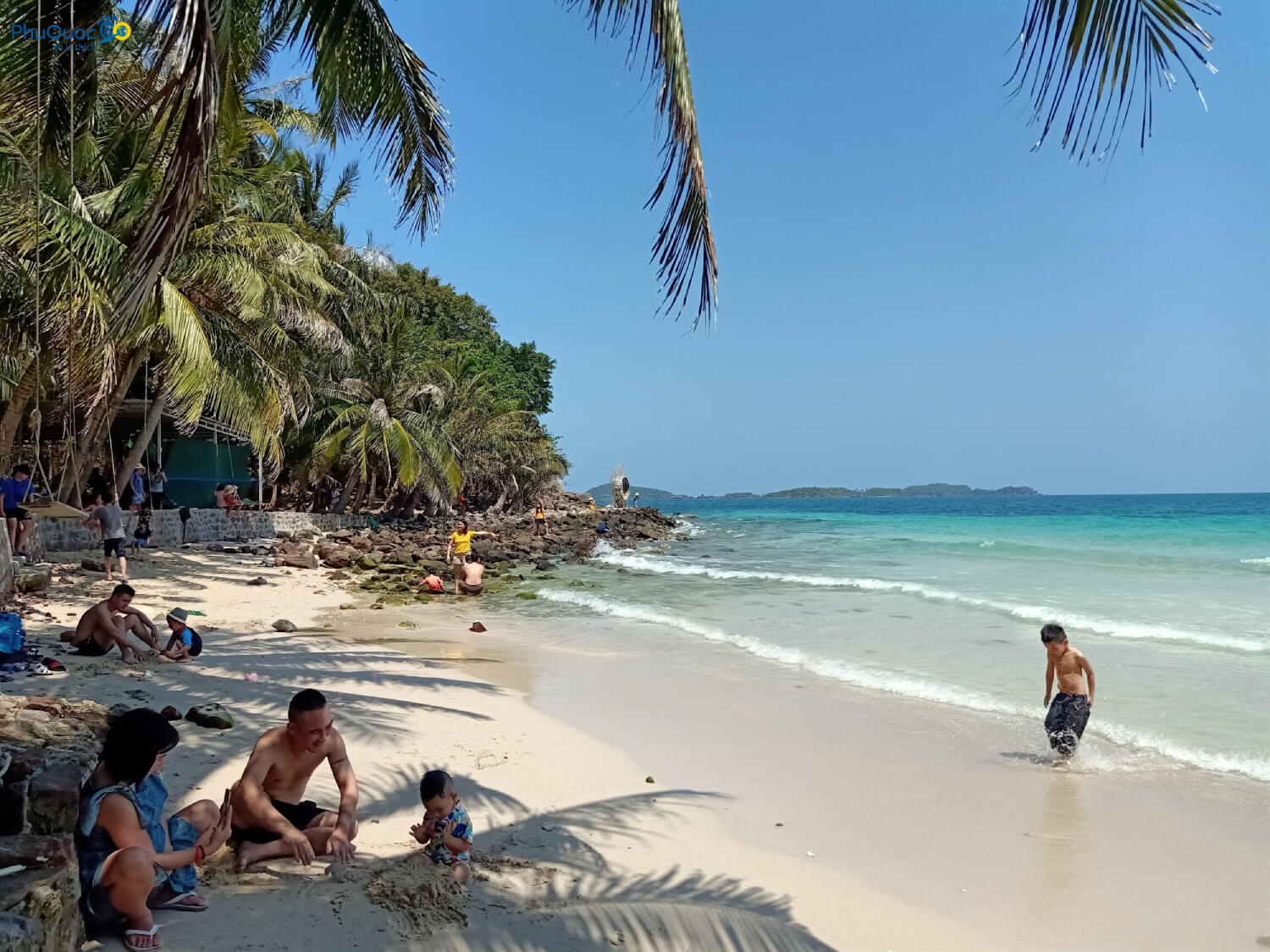
In terms of scenery, Hòn Xưởng stands out with a small, crystal-clear blue beach, rugged natural rock formations, and especially the Hòn Xưởng sea cave jutting right out to the water’s edge. The island is covered in lush green forest, yet it has no permanent residents, no public service infrastructure, and no restaurants.
Phú Quốc Marine Protected Area Entrance Fee at Hòn Xưởng (2026)
Many older review articles claim that visiting Hòn Xưởng is completely “free of charge.” This information is no longer accurate.
1. Current Fee Regulations
Pursuant to Resolution 22/2026/NQ-HĐND (issued on June 29, 2026, and effective from July 9, 2026, by the People’s Council of An Giang Province, replacing the former Resolution 120/2010/NQ-HĐND):
- Entrance fee: $1.1/person/visit applies to scenic sightseeing within the Phú Quốc Marine Protected Area (travel insurance is included in the price).
- Collecting authority: The Marine Protected Area Management Board (under the Department of Agriculture and Environment).
- Payment methods: Cash or direct bank transfer to the board’s official fee collection account.
2. Fee Exemption and Discount Policies
- 100% fee exemption: Children under 6 years old; individuals with extremely severe disabilities.
- 50% fee discount: Children aged 6 to under 16; senior citizens; poor and near-poor households; individuals with meritorious service to the revolution; ethnic minorities living in areas with extreme socio-economic difficulties.
Insider Tip from Tour Operators: This $1.1 charge is the general Marine Protected Area Entrance Fee covering the protected marine zone (including the Hòn Xưởng area)—it is neither an island-specific ticket nor a speedboat rental fee. If you book a group tour or charter a private boat, ask your booking advisor clearly whether the quoted price already includes this $1.1 conservation fee to avoid confusion at checkpoints.
Hòn Xưởng Coral Ecosystem: Breaking Down the Numbers & Conservation Reality
The waters surrounding Hòn Xưởng lie within the Phú Quốc Marine Protected Area, which spans over 40,909 hectares of sea surface. This is one of the most important coral reef zones in southern Vietnam.
Clarifying the Coral Reef Area Figures
Some news sites report that “Hòn Xưởng possesses 428.87 hectares of coral.” We would like to clarify this accurately: 428.87 hectares is the combined total area of the entire Strict Coral Reef Protection Sub-zone spanning multiple islands (including Hòn Xưởng, Hòn Gầm Ghì – the well-known snorkeling spot in South Phú Quốc, Hòn Vang, Hòn Móng Tay, Hòn Vông, and others), rather than the area belonging to Hòn Xưởng alone.
Coral Nursery and Reef Restoration Efforts
- Coral nurseries: Since 2016, Hòn Xưởng and Hòn Mây Rút were selected to establish two hard coral nurseries, focusing on species such as Acropora formosa, Acropora anthocercis, and Acropora acuminata.
- Degraded reef restoration: In 2021, authorities carried out the restoration of roughly 500 m² of coral on degraded reef beds across Hòn Xưởng and Hòn Móng Tay.
Because this is a sensitive ecological restoration zone, visitors exploring snorkeling spots in Phú Quốc must strictly follow these rules: Do not step on or break coral, do not collect seashells, and do not litter in the sea.
How to Get to Hòn Xưởng Phú Quốc and Transportation Options
To reach Hòn Xưởng, your journey is divided into two legs: an overland leg to the harbor and a sea leg out to the island.
1. Getting to An Thới Harbor
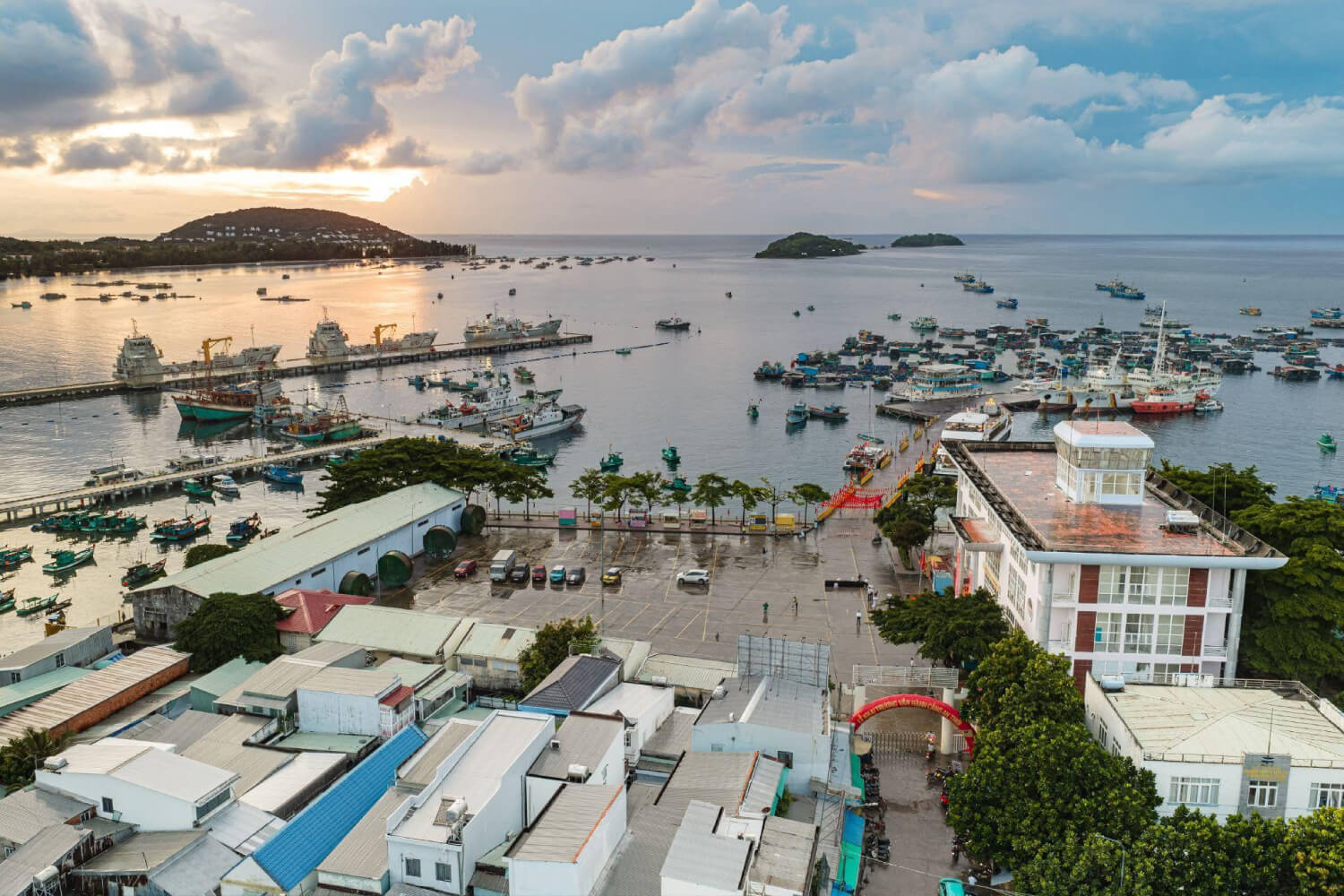
From the center of Dương Đông Ward, ride a motorbike or drive a car south along Trần Hưng Đạo Street or Road DT46 for about 25 km to reach An Thới Harbor.
2. How to Travel from An Thới Harbor to Hòn Xưởng
The boat ride takes about 30–45 minutes depending on the type of vessel you choose:
- Speedboat (Recommended): Ideal for groups who want a flexible schedule. Private speedboat charter rates range from $30.4 – $45.7/trip (for groups of 5–10 people, covering a 4–6 hour rental). You can also check our Phú Quốc speedboat rental guide for tips on choosing a reputable operator.
- Shared wooden boat: Prices range from $5.7 – $7.6/person. These boats travel more slowly but ride very steadily, making them a good choice if you are prone to seasickness.
Things to Do at Hòn Xưởng: Real Experiences & Debunking Rumors
Top Worthwhile Experiences
- Swimming & photography at Hòn Xưởng Beach: The seawater here has high clarity, letting you see every grain of sand on the seabed. Although the sandy stretch is not very long, it is clean and quiet.
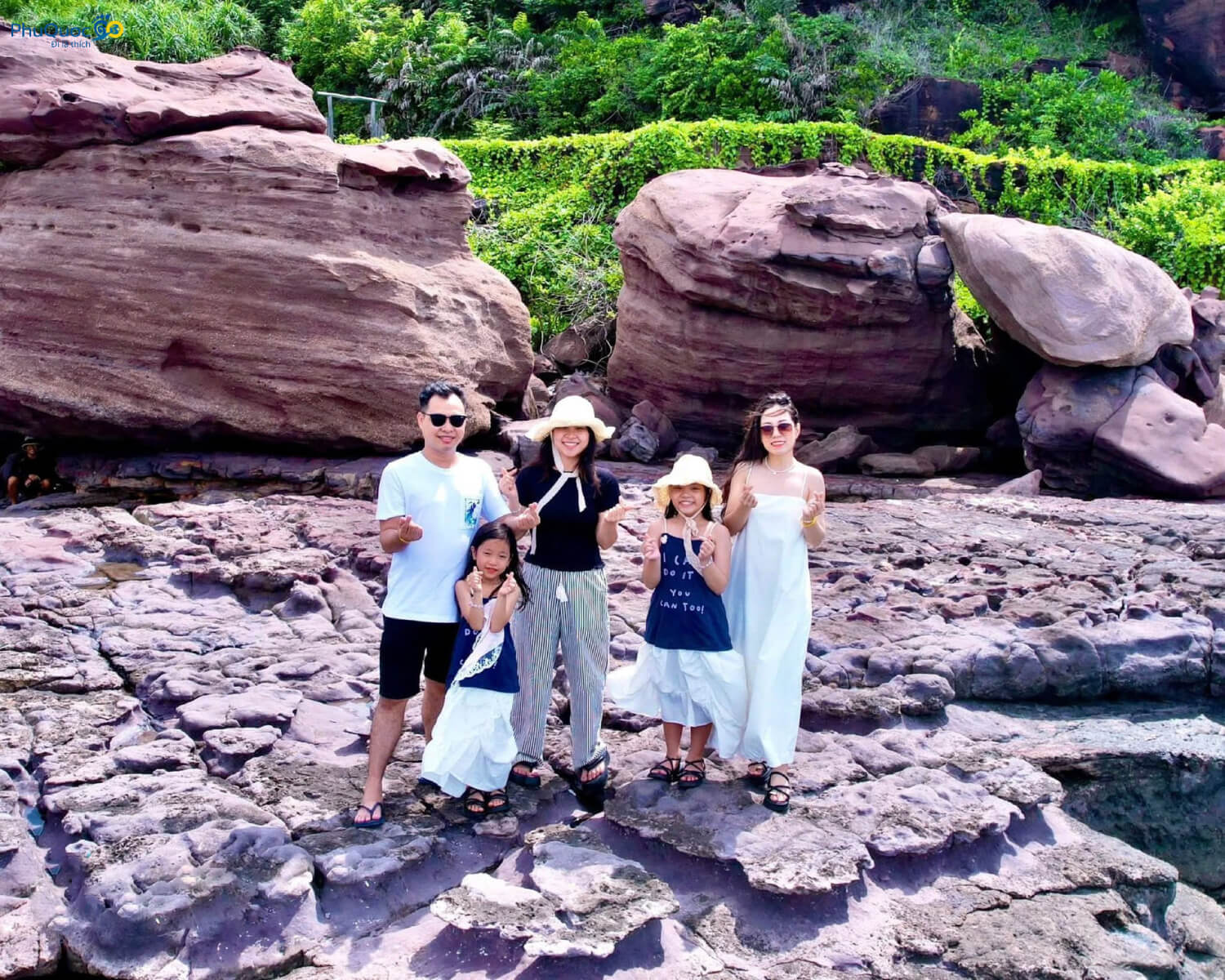
- Taking photos at the Hòn Xưởng rock cave: The rocky headland features natural cave arches carved by ocean waves over thousands of years, creating striking photo angles.
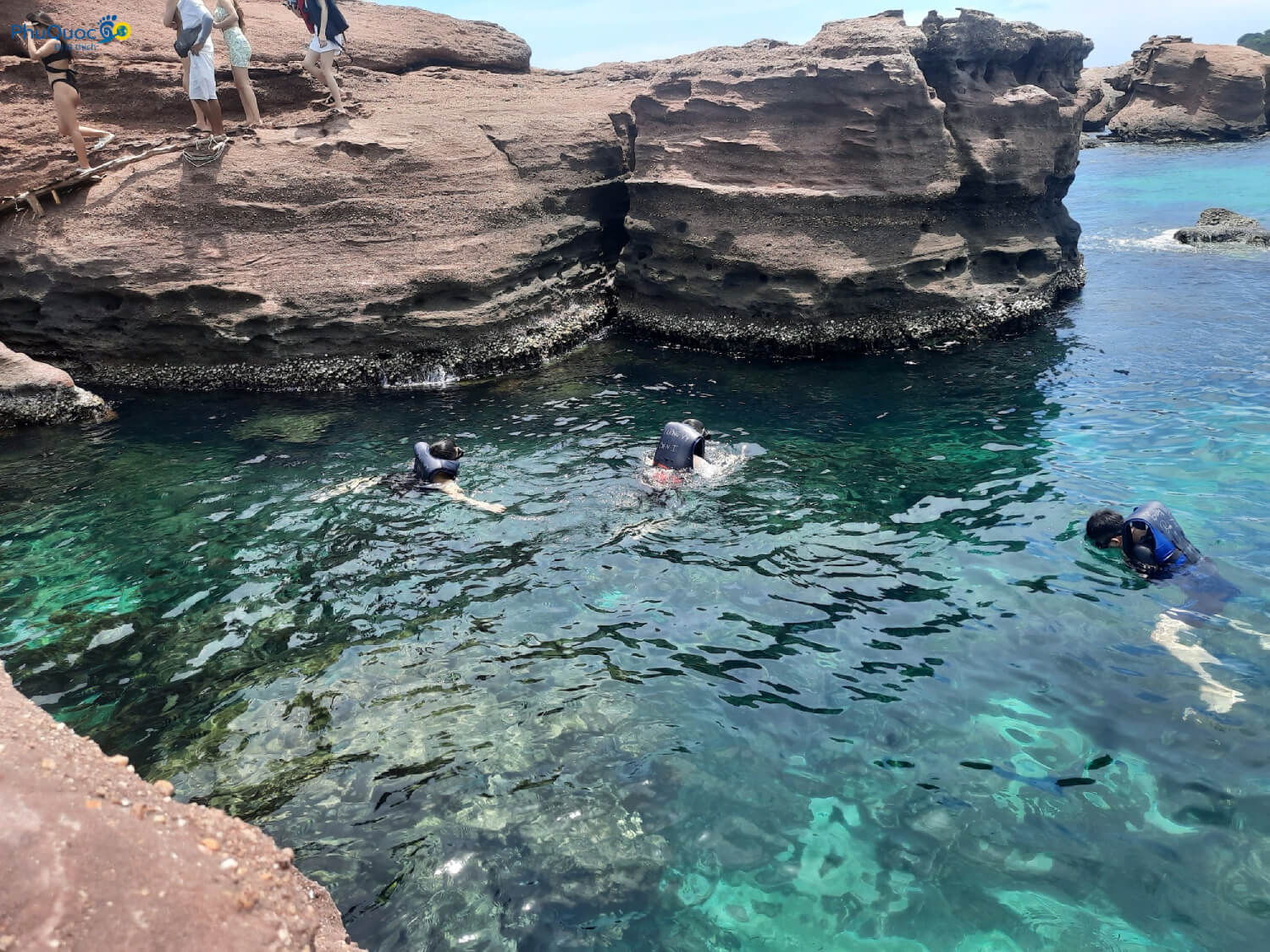
- Snorkeling: The shallow waters around the island are a great place to put on a mask and snorkel to observe hard coral beds and schools of small fish swimming past.
Debunking False Rumors
- Rumors about resorts and hotels: Several articles mention an island area of 19.7 or 20 hectares alongside resort development projects. In reality, those are merely on-paper project proposals. Currently, Hòn Xưởng has no operating resorts or accommodations of any kind. You cannot book an overnight stay here.
- Rumors about free camping and BBQs: There is currently no official authorization allowing visitors to freely pitch tents or light overnight campfires on the island. You should stick to daytime picnics with light snacks and pack out all your trash before leaving.
- Regarding the “Maldives of Vietnam” nickname: In 2019, several Vietnamese news outlets quoted British media reports listing Hòn Xưởng among seven destinations reminiscent of the Maldives at a lower cost. However, this is simply a figurative comparison of the natural scenery, not an official tourism certification or title.
Comparison Table: Hòn Xưởng vs. Nearby Islands in South An Thới
| Criteria | Hòn Xưởng | Hòn Móng Tay | Hòn Mây Rút Trong | Hòn Gầm Ghì |
|---|---|---|---|---|
| Level of seclusion | Very high (100% natural) | Moderate (Some food stalls) | Low (Full range of services) | High (Mainly snorkeling) |
| Beach & Sand | Small beach, clear water | Nice beach, fine sand | Long beach, many coconut palms | Little sand, mostly rocky |
| Food & Dining | None | Light snack stalls available | Restaurants and seafood available | None |
| Nearshore coral | Good, under restoration | Average | Fair | Very abundant |
| Best for | Exploring, photography | Swimming, relaxing | Dining, beach activities | Snorkeling |
2026 Independent Travel Preparation Guide for Hòn Xưởng
Best Time to Visit
- Dry season (November to April): This is the best time to go. The sea is calm with gentle waves, sunny skies, and peak water clarity.
- Rainy season (May to October): Rough waves and sudden rain showers are common. Check the seasonal weather in Phú Quốc closely before your trip. If sea conditions are rough, speedboats are prohibited from departing for safety reasons.
Packing Checklist
Because Hòn Xưởng is a “Three Nos” island (No shops or restaurants – No restrooms – No electricity), you need to prepare carefully:
- Bottled drinking water and light snacks (sandwiches, pre-cut fruit).
- Sunscreen (preferably reef-safe mineral sunscreen), a wide-brimmed hat, and sunglasses.
- Water shoes or sandals with good traction. The coastal rocks around the island are very slippery due to moss.
- Waterproof pouches for your phone and camera, plus a personal trash bag to pack out all garbage back to the mainland.
Tips for a Well-Planned Itinerary
Hòn Xưởng is a stunning uncut gem, but due to the lack of basic facilities, spending an entire day here can be inconvenient. The most practical option for travelers is to include Hòn Xưởng as part of a multi-island hopping itinerary.
You can check out our Phú Quốc 3-island tour guide or book one of our South Phú Quốc island-hopping tours. These itineraries typically take you to Hòn Móng Tay in South Phú Quốc for photos, Hòn Xưởng for snorkeling, and Hòn Mây Rút in Phú Quốc for lunch and relaxation.
Frequently Asked Questions About Hòn Xưởng Phú Quốc (FAQ)
Is there an entrance fee to visit Hòn Xưởng Phú Quốc?
This fee is based on Resolution 22/2026/NQ-HĐND of An Giang Province. Children under 6 enter free of charge; children aged 6 to under 16 and senior citizens receive a 50% discount. Tip: Ask your tour operator beforehand whether your tour package already covers this fee to avoid paying twice.
Are there any resorts or overnight hotels on Hòn Xưởng Phú Quốc?
Advertisements mentioning 5-star resorts or guest rooms on the island refer only to unbuilt plans on paper. The island has no municipal power grid, no public freshwater supply, and no restaurants. Visitors should only plan day trips here and return to the town center or larger islands for overnight accommodations.
Can visitors freely camp or have an overnight bonfire BBQ on Hòn Xưởng?
The island lies within the strictly protected coral reef ecosystem zone of South An Thới. Lighting campfires poses a risk to coastal vegetation and marine life. If you want an outdoor meal, stick to a brief daytime picnic and pack out 100% of your trash.
Are the rocky outcrops and sea cave at Hòn Xưởng dangerous for young children?
Shoreline rocks are coated with moss and constantly washed by waves, making slips and falls likely at high tide. Young children and older adults should never climb high rock faces or crawl deep into damp sea caves. Local tip: Wear rubber-soled water shoes or grip sandals instead of slippery flip-flops.
What pricing traps should I watch out for when chartering a private speedboat to Hòn Xưởng?
Some boat operators quote a low initial rate but add waiting surcharges if you stay on the island past your allotted time. Confirm the maximum passenger capacity and required safety gear such as life jackets and snorkeling masks in advance. Check the weather forecast carefully before departure and confirm the refund policy in case rough seas prevent boats from leaving port.
What safety and conservation rules apply when snorkeling at Hòn Xưởng?
Hòn Xưởng houses rare hard coral nurseries that are easily damaged by direct physical contact. Avoid using chemical sunscreens that harm coral reef growth. Never collect seashells, dead coral, or marine creatures as souvenirs.