

Traveling to Pearl Island without touching the soul of Phú Quốc food culture means your trip is only half complete. But standing in a “matrix” of restaurants and eateries from Dương Đông to An Thới, how do you distinguish authentic local taste from “media traps” serving sky-high priced frozen seafood? I know you are worried about getting ripped off or eating altered dishes that lost their local identity.
In this article, backed by my experience operating tours for over 6 years on the island, we will guide you through ancient fishing villages to modern night markets to enjoy true Phú Quốc cuisine: fresh, flavorful, and deeply authentic. You will pick up a detailed dining guide, a list of top Phú Quốc delicacies worth trying in 2026, and very practical tips to avoid tourist traps.

The Secret Behind Phú Quốc Food Culture: Why Is the Food Here Different?
The beauty of traditional Phú Quốc dishes lies not in overly complex cooking techniques, but in the crisp freshness of ingredients and unique spice combinations. Locals on my island home are used to eating seafood right after pulling the nets—fish still wriggling, squid still changing color.
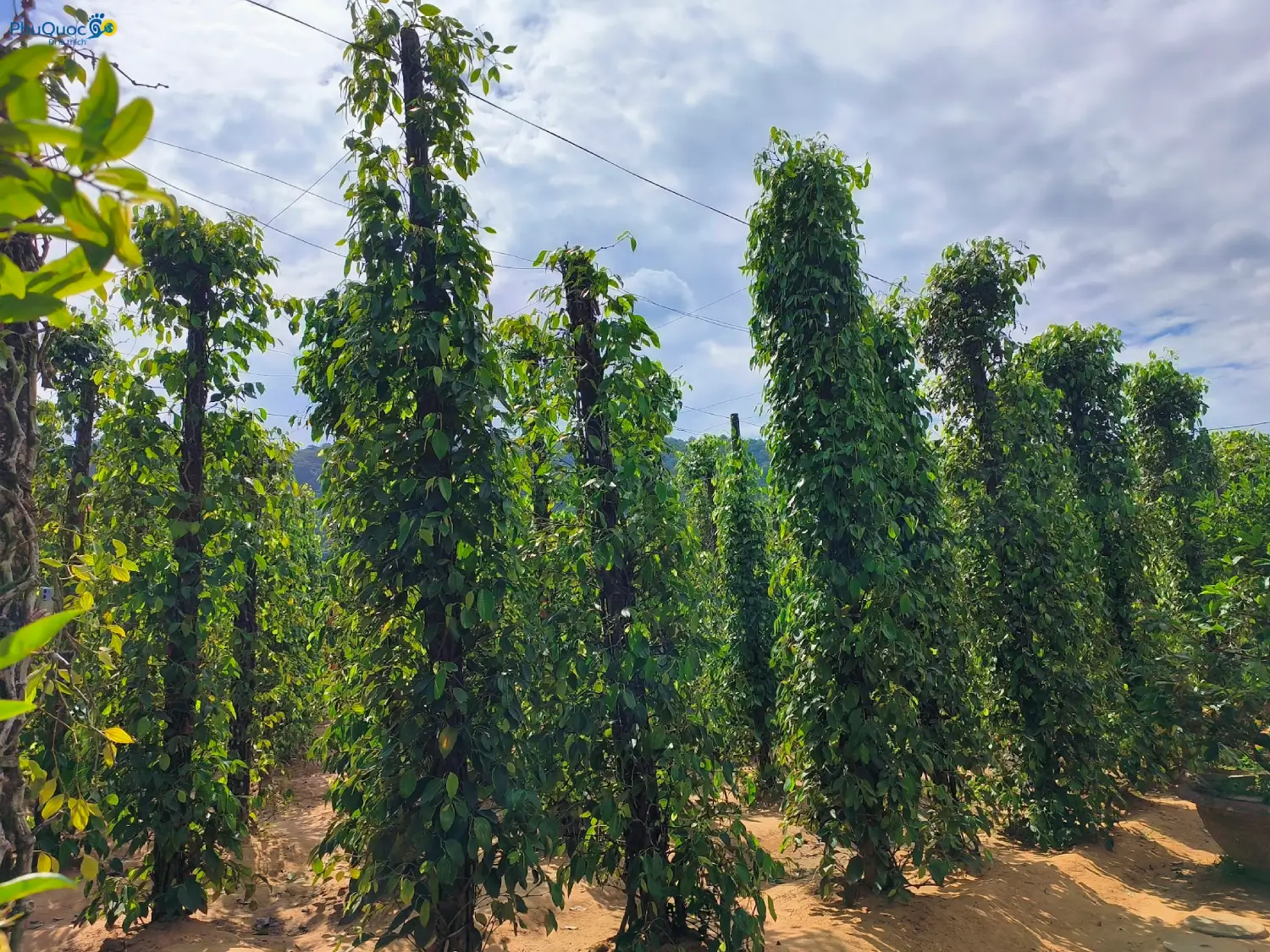
On top of that, the signature pungent kick of Phú Quốc black pepper combined with the rich, fragrant taste of traditional Phú Quốc fish sauce (famous Phú Quốc OCOP products) creates a distinct layer of flavor—both ocean-sweet and earth-warm. That is why Pearl Island food culture holds such a unique appeal, making travelers remember it after just one bite.
Top Rustic Phú Quốc Dishes You Must Try at Least Once in Your Life
Phú Quốc Herring Salad (Gỏi Cá Trích) – Symphony of the Sea and Forest
“If you visit Phú Quốc without trying herring salad, you haven’t really been here.” This saying among us tour operators is by no means an exaggeration.
This dish is a subtle combination of fresh, thinly filleted herring tossed with onions, shallots, and grated coconut. To eat it, you roll the fish in rice paper with wild Phú Quốc forest leaves, then dip it generously into garlic-chili fish sauce blended with crushed roasted peanuts. The rich coconut, natural sweetness of non-fishy fresh fish, and slight astringency of wild greens burst on your palate. To eat like a local, remember to take a sip of warming rượu sim (rose myrtle wine). You can check out more tips for eating Phú Quốc herring salad to know how to choose authentic spots.
- Reference price: $4.9 – $7.6/plate.
- Local tip: Do not squeeze too much lime over the fish before rolling; let the fish keep its natural sweetness. Good spots are usually near Khem Beach Phú Quốc or long-standing eateries in central Dương Đông.

Phú Quốc Stirring Noodle Soup (Bún Quậy) – A Unique “Self-Service” Experience
This is the most sought-after dish when asking what to eat in Phú Quốc. Originating from Bình Định shrimp noodles, it underwent a total makeover after arriving on the island. Called “bún quậy” (stirring noodles) because diners must “stir” their own dipping sauce from salt, sugar, MSG, chili, and kumquat to match their taste.
Fresh shrimp paste and featherback fish paste are smeared firmly onto the sides of the bowl, then boiling noodle broth is ladled in to flash-cook the paste before adding fresh rice noodles pressed straight from the mold. Take a bite of noodles and sip the broth naturally sweet with shrimp flavor, and you will understand why this dish is so addictive. Check out our guide to eating Phú Quốc bún quậy to learn how to mix the “divine” dipping sauce.
- Reference price: $1.5 – $3.2/bowl.
- Warning: Peak hours (6:30 PM – 8:00 PM) at famous spots like Kiến Xây are extremely crowded, and service is 100% self-serve. If traveling with elderly companions or young children, consider going earlier or picking a venue with more spacious seating.

Hàm Ninh Flower Crab – Essence of the Ancient Fishing Village
If anyone asks me what food Phú Quốc is famous for regarding seafood, my answer is definitely Hàm Ninh flower crabs. Crabs here are not overly large, but their meat is firm, deeply sweet, and fragrant, unlike mushy farmed crabs. This dish tastes best simply boiled or steamed, dipped in salt, pepper, lime, and chili. Sitting by the seashore at Hàm Ninh Fishing Village, listening to crash of waves while peeling steaming crab shells, is a wonderful experience.
- Reference price: $9.5 – $17.1/kg (depending on size).
- Local note: If you want crabs with lots of roe, pick females (wide apron); if you want more meat, pick males (narrow apron). Above all, avoid days around the middle of the lunar month (full moon season), as crabs are often watery and thin (less meat, soft texture).

Grilled Sea Urchin & Pen Shell Scallop Muscle – Divers’ Delicacies
Sea urchin (nhum biển) is nicknamed the “ginseng of the sea.” Urchins can be eaten raw cured in lime with wasabi, cooked into rich porridge, or grilled with scallion oil over charcoal. In addition, còi biên mai (the adductor muscle of the triangular pen shell) grilled with chili salt is an unbeatable drinking snack. The muscle fibers are chewy and snappy, locking in the natural sweet taste of the deep ocean. Read more in our guide to eating Phú Quốc sea urchin to avoid buying stale urchins.

- Reference price: Grilled sea urchin: $1.0 – $1.5/item; Pen shell muscle: $4.6 – $6.9/plate.
Pearl Island Food Map: Where to Eat Without Getting Overcharged
To help you easily plan your itinerary, I have broken down key Phú Quốc food areas along with their distinct traits:
1. Central Dương Đông Area
Home to many delicious cheap seafood spots in Dương Đông and breakfast dishes like Phú Quốc thick noodle soup (most famous is Bánh Canh Phụng Phú Quốc). In the evening, you can visit the Phú Quốc Night Market for snacks: rolled ice cream, grilled rice paper, macapuno coconut… However, if you want a full meal of live seafood at the night market, clarify prices carefully before weighing.
2. South Island & Sunset Town Area
The South Island now offers not just pretty beaches but also lively food options. If you want to combine sunset watching, shows, and dining, visit Sunset Town Phú Quốc and stop by Vui Fest Night Market Phú Quốc. This area features a clean, modern setup, combining quality street food with energetic artistic performances.
3. North Island & Rạch Vẹm Fishing Village Area
If you love rustic scenery, rent a motorbike in Phú Quốc and ride up to Rạch Vẹm Phú Quốc. It is famous for floating raft restaurants. You will walk across long wooden bridges, select Phú Quốc seafood directly from underwater cages, and enjoy it on the spot. The drawback is that access roads can be tough to navigate during the rainy season.
Comparison Table of Seafood Dining Spots in Phú Quốc
| Location | Pros | Cons | Average Cost / Person |
| Rạch Vẹm Floating Rafts | Ultra-fresh seafood caught on the spot, breezy ocean atmosphere. | Far from town center, travel is rough during the rainy season. | $9.5 – $15.2 |
| Hàm Ninh Fishing Village | Best flower crabs on the island, many long-standing local eateries. | Landscape is no longer as untouched as before; need to choose reputable places. | $11.4 – $19.0 |
| Dương Đông Night Market | Plenty of snacks, lively atmosphere, easy to get to. | Seafood prices can be inflated, crowded on weekends. | $3.8 – $11.4 |
| Vui Fest Night Market | Clean, organized, combined with live shows and great photo spots. | Mainly light street food, few large seafood restaurants. | $5.7 – $13.3 |
Preparation Guide & Hard-Earned Tips From Tour Operators
To have a complete and safe journey exploring local Phú Quốc specialties, keep these points from us in mind:
- Check weather forecasts: During rough sea season (around July to September), items like egg squid, mantis shrimp, and scad fish become scarce and pricier. You should read our Phú Quốc weather guide in advance to plan accordingly.
- Pack personal medicine: Pearl Island seafood is very fresh and high in protein; if you have a history of allergies or a sensitive stomach, always carry allergy medication and digestive enzymes.
- Combine with fishing trips: Instead of just sitting at an eatery, you can catch ingredients yourself by joining our Phú Quốc Night Squid Fishing Tour to experience being a fisherman and enjoy hot squid porridge right on the boat.
Conclusion
Phú Quốc food culture is a reflection of the open-hearted, genuine life of island residents. Every dish, from humble bún quậy to painstakingly prepared herring salad, carries its own cultural story. We hope this article gives you the confidence to answer where to eat and select your favorite meals.
If you want to combine swimming around the An Thới Archipelago, playing at Hòn Thơm Phú Quốc, and having a quality seafood lunch on a deserted island, check out our Phú Quốc 4-Island Tour or Phú Quốc 3-Island Tour itineraries. Wishing you fantastic culinary experiences on Pearl Island!
FAQ – Frequently Asked Questions About Phú Quốc Food
Is eating Phú Quốc herring salad risky for stomach aches or parasites?
Locals use a special trick of home-brewed ripe rose myrtle vinegar to cure the fish, combined with wild leaves known for natural antibacterial traits (lá cách, đọt vông, lá sưng...). If you have a sensitive stomach, eat herring salad at lunchtime rather than late evening, and avoid pairing it with milk or excess iced drinks.
How do I distinguish genuine Hàm Ninh flower crabs from crabs brought in elsewhere?
Do not go for giant crabs; daily netted reef crabs from Hàm Ninh usually run about 5 to 7 crabs per kilogram. Hàm Ninh crab meat is firm, releasing a clear sweet aroma when steamed, with an apron tightly sealed against the body rather than loose like iced crabs shipped from the mainland.
Do you really get overcharged eating seafood at the Phú Quốc Night Market?
To prevent unpleasant experiences, check prices at 2 or 3 large eateries first. When choosing live seafood from tanks, ask staff to weigh items right in front of you and agree on both price and cooking fees (some places charge extra for grilling/stir-frying). For snacks, the night market is great; for a full, affordable seafood meal, head to streets like 30/4 Street or along the coast.
Where can I buy authentic traditional Phú Quốc fish sauce without fake products?
Reputable Phú Quốc OCOP brands like Khải Hoàn, Phụng Hưng, and Thịnh Phát offer free tours of their fermentation facilities. Authentic fish sauce has a deep amber color, high natural protein content (35 to 45 degrees N), and a clear sweet aftertaste in the throat, without the artificial sweetness of industrial fish sauce.
What seafood is best and most economical during Phú Quốc's rainy season?
Rough seas keep boats from offshore fishing, making flower crabs and mantis shrimp scarce and expensive. In contrast, night-trawled egg squid near shore is abundant and fat. A pot of piping-hot sea urchin porridge or grilled scad wrapped in rice paper warms you up at very reasonable prices.
What suitable non–spicy, non–fishy dishes exist for kids in Phú Quốc?
Bánh Canh Phụng or Bánh Canh Hạnh in Dương Đông offer mild broth from mackerel bones, soft noodles, and non-spicy fish cakes great for breakfast. At night, order Hàm Ninh crab fried rice with fluffy rice grains and shredded crab meat to recharge kids after a long day.
Between Kiến Xây and Thanh Hùng, which bún quậy spot is better and more authentic?
If you want to try mixing sauce from scratch and enjoy plain noodle broth, pick Kiến Xây. If traveling with family, preferring quicker service and noodle bowls with sliced rare beef options, Thanh Hùng is a very suitable alternative.
Are there rare or unique dishes exclusive to Phú Quốc worth spending money on?
Fresh sea cucumber is often stir-fried with mushrooms or braised with herbal medicine, prized by fishermen. Meanwhile, melaleuca mushrooms only grow at the start of rainy season after thunderstorms in melaleuca forests. Melaleuca mushroom soup cooked with shrimp and squid has a uniquely bitter initial note followed by a sweet finish, making it well worth trying.