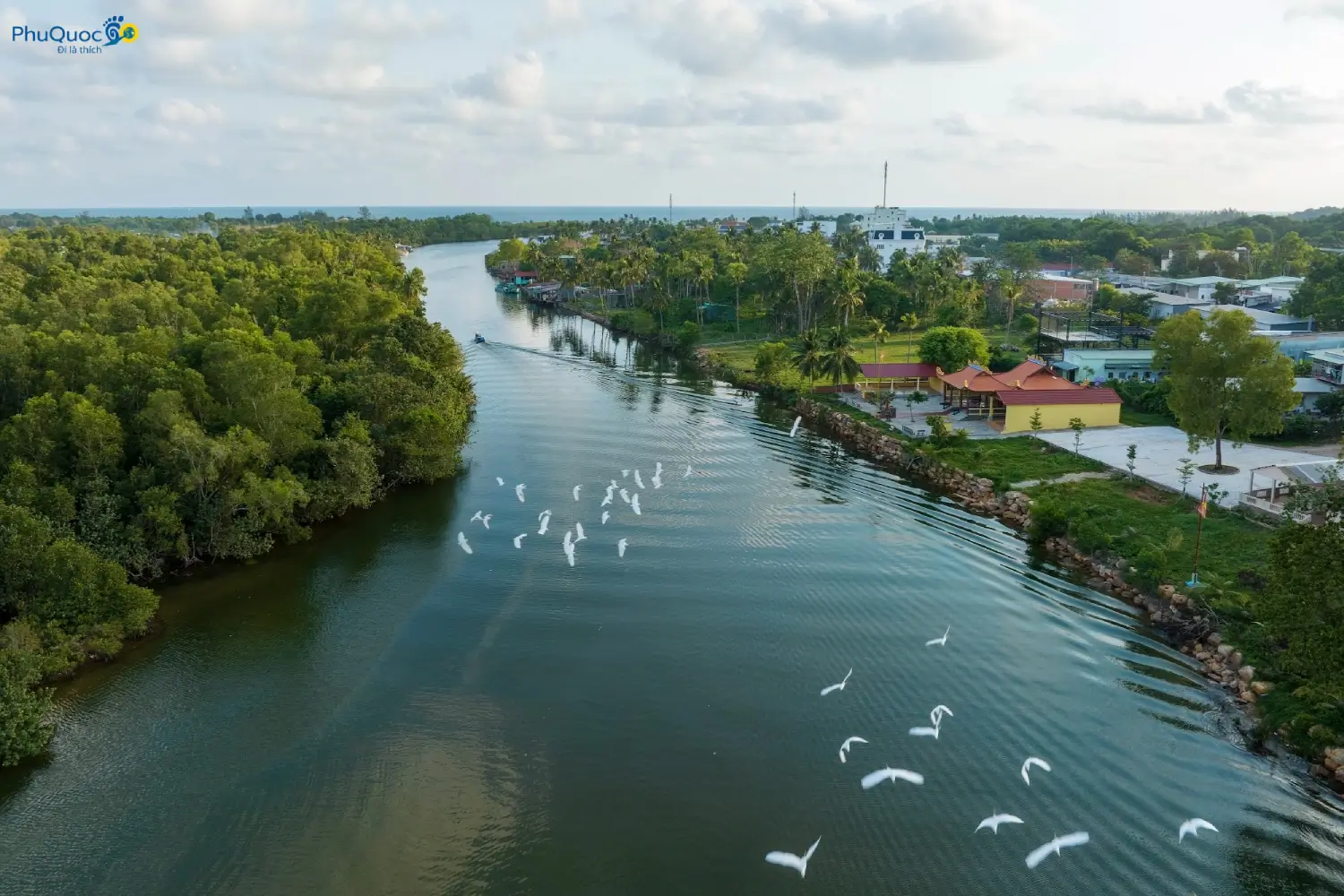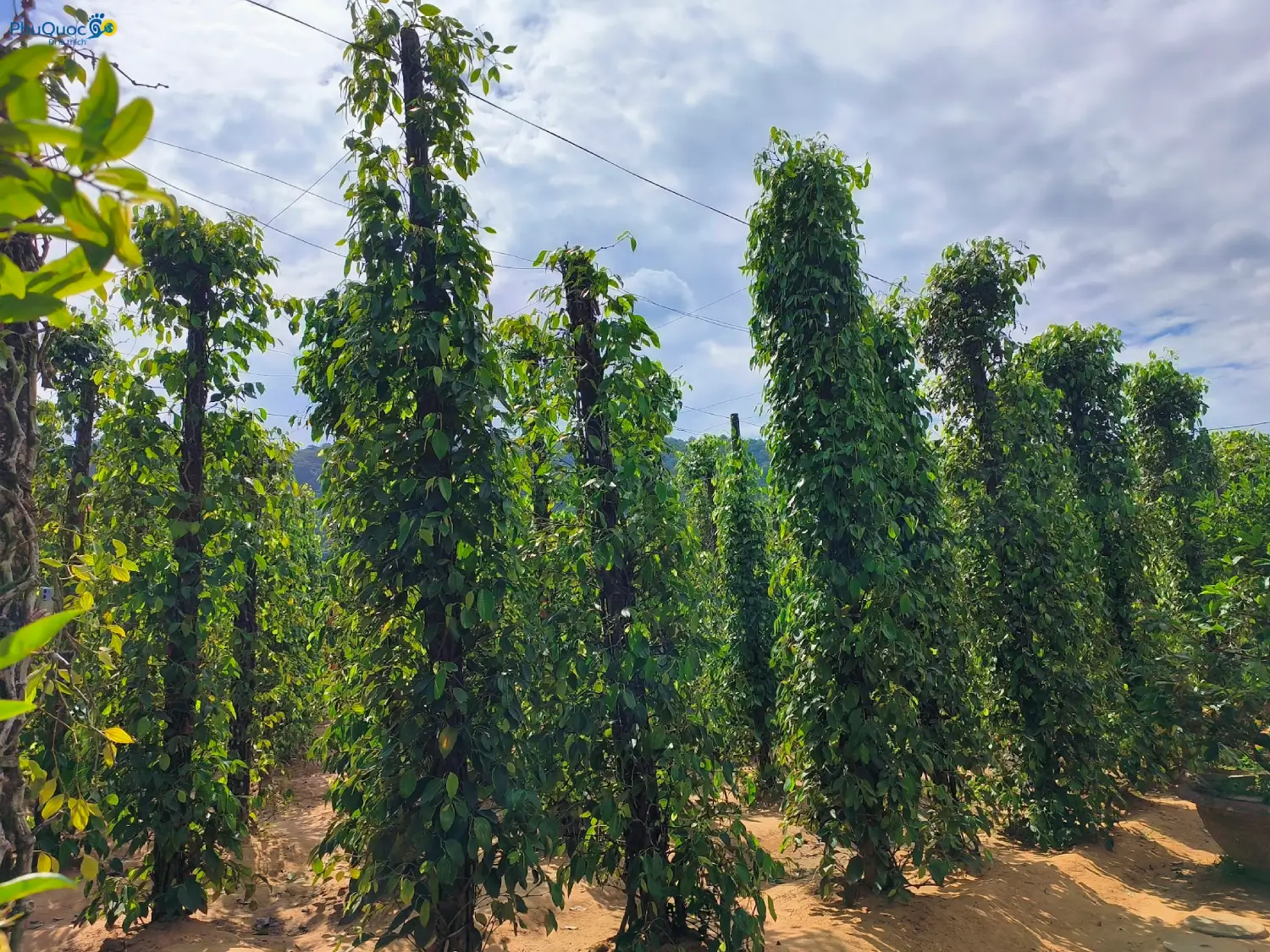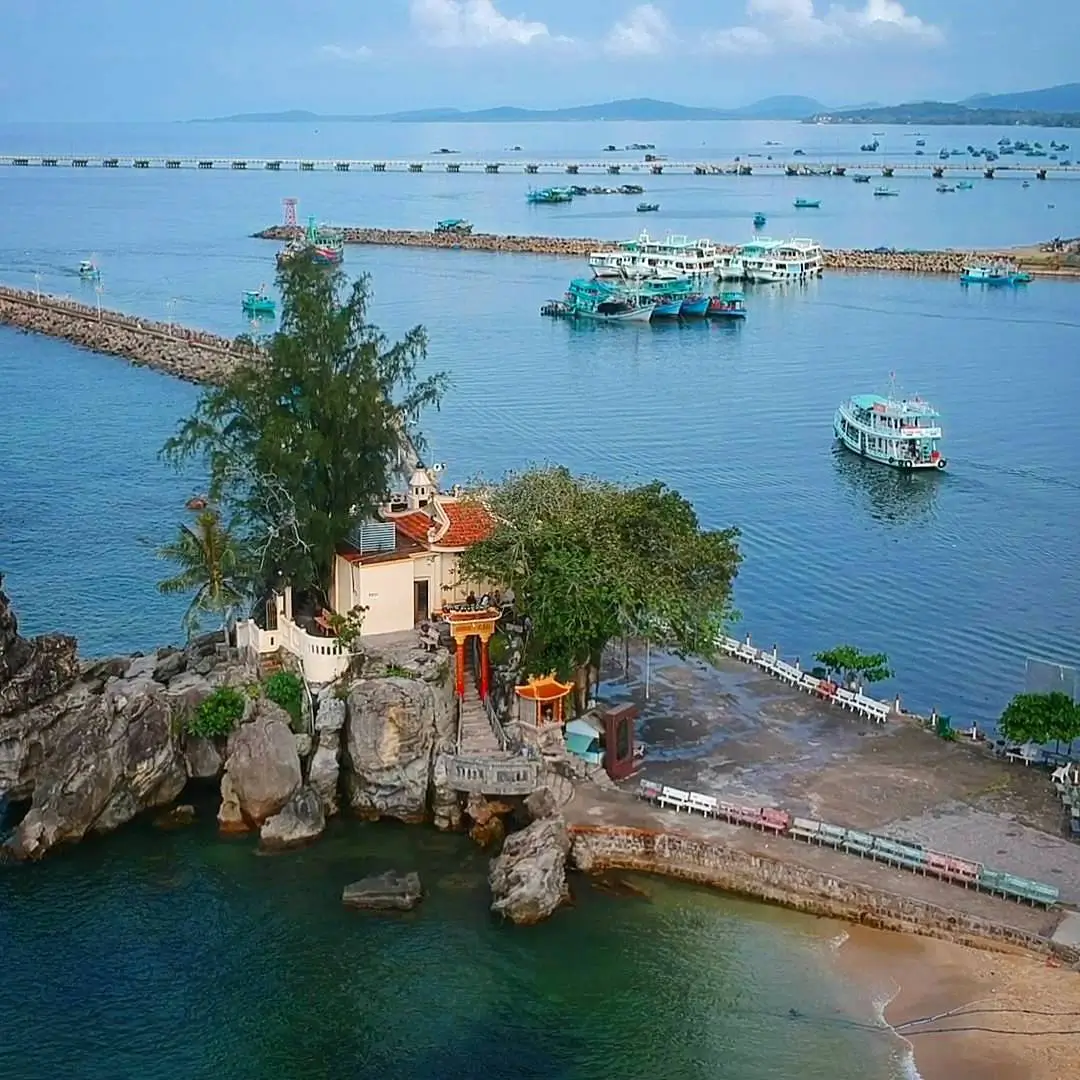


Many travelers heading to Pearl Island only imagine turquoise beaches, luxury resorts, or endless sunsets on the South Island. But if you stop at the coastline, you accidentally miss Phu Quoc’s other vivid half: the deep green of its vast primeval forest.
With over 6 years of operating tours and leading many groups through forests and streams, I can confirm that Phu Quoc National Park is the place that preserves the raw soul of this island best. In this article, we share an honest perspective: from trekking routes and poetic streams to the reality of dry versus rainy seasons, along with crucial local warnings to keep your trip safe and rewarding.
Trekking Phu Quoc in Reality: Why You Need to Read This Before Lacing Up
Many independent travelers visit Phu Quoc National Park only to run into frustrating situations. Some travel over 30 km from the town center to Suối Tranh or Suối Đá Bàn in February, only to find bone-dry riverbeds. Other groups spontaneously hike without a guide, lose cell service completely, wander into strictly protected zones, and face injury risks deep in the forest.
Not to mention, being unprepared for leeches, insects, or running out of drinking water can turn a romantic outing into a forgettable ordeal. To ensure your adventure goes smoothly, let us break down every detail about this green heart of the island.
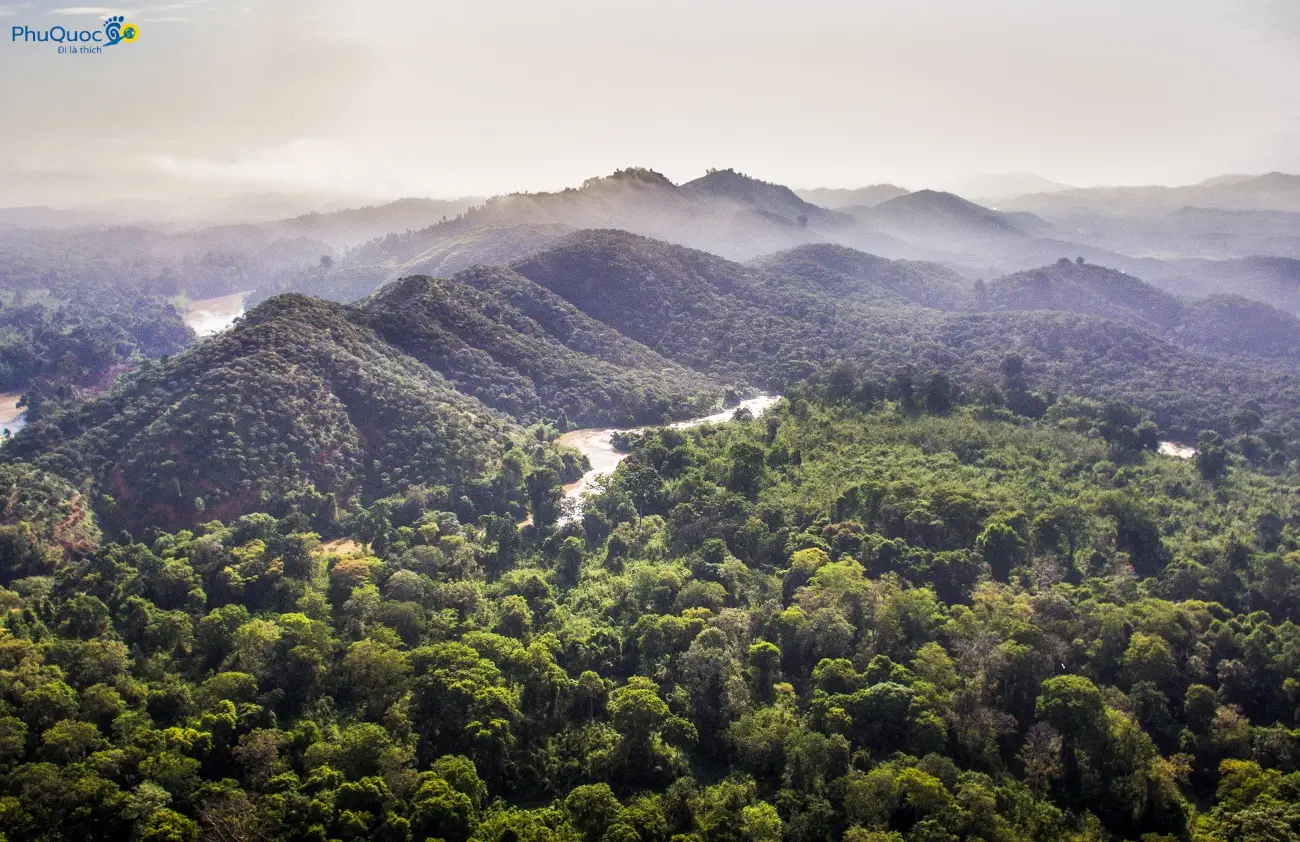
Where Is Phu Quoc National Park? Overview of Pearl Island’s Green Lungs
Phu Quoc National Park spans multiple administrative areas, including Cửa Dương, Cửa Cạn, Gành Dầu, Bãi Thơm, Hàm Ninh, and part of Dương Tơ. It was officially established under Decision No. 91/2001/QD-TTg of the Prime Minister by upgrading the North Phu Quoc Nature Reserve. In 2006, it became the core zone of the Kien Giang Biosphere Reserve recognized by UNESCO.
Currently, the park manages a total area of approximately 36,262 hectares, including 29,596 hectares of special-use forest and 6,666 hectares of protection forest – accounting for 63% of the island’s total natural area. The park is divided into 3 functional zones:
- Strictly protected zone: Preserves evergreen tropical closed-forest ecosystems intact.
- Ecological restoration zone: Nurtures and regenerates flora and fauna.
- Administrative, service, and scientific research zone: Serves ecotourism and biological research.
Playing a vital role in storing fresh water, regulating climate, and preventing saltwater intrusion for the entire island, the ecosystem here is remarkably diverse. The forest houses up to 480 animal species across 109 families (including rare species such as Bengal slow loris, pygmy loris, Asian small-clawed otter, smooth-coated otter, Indochinese langur, great hornbill, king cobra, and Phu Quoc red squirrel) alongside thousands of plant species like wild orchids, myrtle, melastoma, and the endemic Phu Quoc camellia.
If you want to combine your forest exploration with other activities on the island, check out our Phu Quoc Travel Guide A-Z or review our list of the Top 15 Most Beautiful Attractions in Phu Quoc to plan your itinerary easily.
Top 5 Attractions & Experiences in the Primeval Forest
1. Conquering Núi Chúa – The Roof of Pearl Island (603 m)
Located in the northeastern part of the island, Núi Chúa stands at 603 meters above sea level and is known as the “roof” of Phu Quoc. Trekking through patches of ancient Phu Quoc primeval forest under shady canopies, the trail to the summit takes you through distinct layers of vegetation.
When you reach the top, the reward is a view overlooking rolling hills, tranquil Dương Đông Lake, and the blue ocean in the distance. However, Conquering Phu Quoc’s Núi Chúa requires solid physical fitness and endurance.
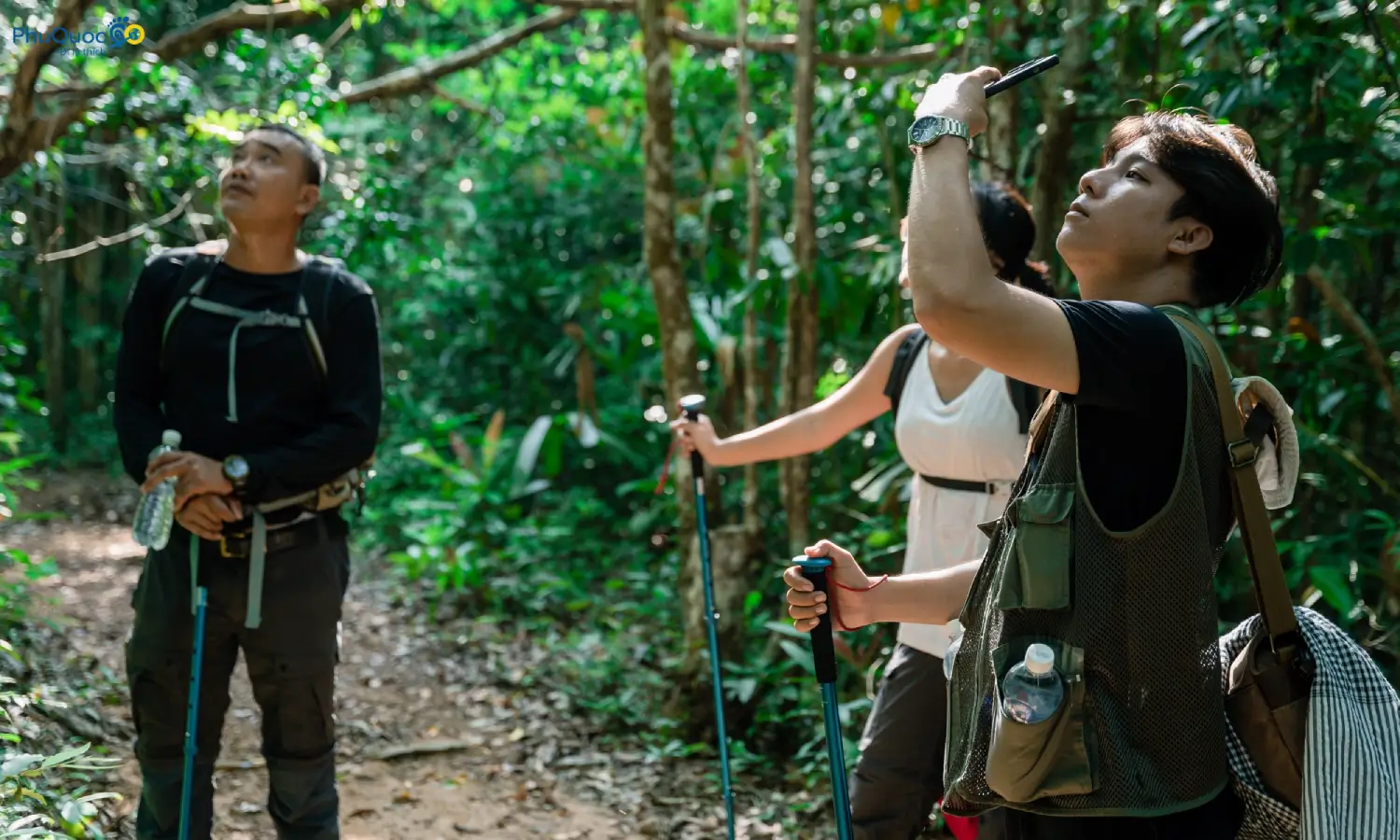
Insider tip: The Núi Chúa trail is steep with branching paths. Never hike it alone independently. You must register with park management or hike alongside forest rangers or local guides who know the terrain.
2. Exploring Suối Đá Ngọn – A 7-Tiered Waterfall
Unlike accessible streams downstream, Phu Quoc’s Suối Đá Ngọn originates directly from Núi Chúa peak and features a powerful year-round flow over 7 rock tiers. Due to rugged terrain, it remains untamed and undeveloped.
Wading upstream to watch white water crash into clear natural rock pools is exhilarating. It is considered one of the best trekking spots in Phu Quoc for adventurous hikers.
Local warning: Suối Đá Ngọn is suitable only for fit individuals who can navigate mossy rocks. Do not bring children, elderly travelers, or anyone with cardiovascular or joint conditions on this route.
3. Unwinding at Suối Tranh, Suối Đá Bàn & Other Scenic Streams
If you are traveling with family or want a relaxed picnic, Phu Quoc National Park offers gentler options:
- Suối Tranh: Suối Tranh in Phu Quoc features paved pathways under tree canopies, making it safe for children. Entrance fees are around $1.1/person. During high-water season (June–October), the waterfall is at its best.
- Suối Đá Bàn: Featuring flat, table-like rock slabs, Suối Đá Bàn in Phu Quoc is ideal for groups bringing snacks for an outdoor picnic.
- Suối Tiên & Suối Mây: More secluded, Suối Tiên and Suối Mây offer quiet surroundings for anyone wanting to escape city noise and cool off in fresh water.
4. Motorbiking Through the Forest – A North Island Jungle Drive
One of the most thrilling experiences I recommend to independent travelers is renting a motorbike to ride along the road cutting through the primeval forest (the extended Nguyễn Trung Trực route heading toward Bãi Thơm and Gành Dầu). The air shifts from scorching coastal heat to cool forest shade the moment you enter under the dense canopy.
Along this route, you can visit the peaceful fishing village of Bãi Thơm or drive straight to Gành Dầu to view the Cambodian border across the sea.

Rental tip: For safe jungle riding, choose a semi-automatic motorbike or a reliable high-clearance scooter. Read our Phu Quoc Motorbike Rental Guide 2026 to find reputable shops and understand local road rules.
5. Exploring Tiên Sơn Peak & Đá Bạc Peak – Ideal Trekking Routes
Besides strenuous Núi Chúa, Phu Quoc trekking enthusiasts can pick moderate peaks with equally impressive scenery:
- Tiên Sơn Peak: Tiên Sơn Peak sits at a moderate elevation with a shorter trail than Núi Chúa, delivering panoramic views of the forest valley below.
- Đá Bạc Peak: Known for its boulder terrain, Đá Bạc Peak or the Hàm Ninh Mountain route are great spots for catching sunrise and watching clouds roll over the peak.
Comparison Table of Destinations in Phu Quoc National Park
| Destination | Suitable For | Difficulty Level | Best Season | Ticket / Service Cost |
| Núi Chúa | Experienced trekkers with good fitness | Hard (Steep, dense forest) | November – April | Free entrance (Guide recommended) |
| Suối Đá Ngọn | Adventure-seeking young travelers | Moderate – Hard | Year-round (Best May–Oct) | Free entrance (Guide recommended) |
| Suối Tranh | Families, young kids, seniors | Easy (Paved path) | June – October | ~$1.1/person |
| Suối Đá Bàn | Friend groups, camping families | Easy – Moderate | June – October | ~$0.4 – $0.8 |
| Forest Route | Independent travelers on motorbikes/cars | Very easy (Paved road) | Year-round | Free (Vehicle cost only) |
Preparation Guide & Survival Tips for Primeval Jungle Trekking
When Is the Best Time to Visit?
- Dry Season (November – April): Forest trails are dry with no leeches, making it ideal for mountain climbing, trekking Núi Chúa, or driving through the jungle. However, downstream rivers like Suối Tranh and Suối Đá Bàn dry up. Check our Phu Quoc Weather Guide to choose weeks with milder sun.
- Rainy Season (May – October): Streams and waterfalls reach peak flow with roaring water and lush greenery. On the downside, trails become slippery and jungle leeches emerge.
Essential Gear & Clothing
- Athletic shoes or hiking boots with good traction (avoid flip-flops or high heels).
- Breathable long-sleeved clothing to prevent scratches from jungle thorns and mosquito bites.
- Waterproof bags for electronics, plus insect repellent and dedicated leech spray.
- At least 1.5 to 2 liters of drinking water per person, along with quick-energy snacks like cookies or chocolate.
Family alternative: If your group includes young children who want to experience nature and wildlife without long treks, a safer option is buying Phu Quoc Safari Tickets so kids can view wildlife safely from specialized buses.
Advice from a Local Tour Expert
Phu Quoc National Park is not just a photo stop; it is the natural heartbeat sustaining the entire Pearl Island. Every step under the primeval forest canopy offers mental relaxation and a deeper appreciation for nature conservation.
If you want an authentic trekking experience with guides who know every tree and stream while keeping you safe, plan early and prepare carefully for this journey.
Frequently Asked Questions About Phu Quoc National Park (FAQ)
Is there an entrance fee for Phu Quoc National Park?
Public forest roads and natural streams are free to access. Some spots like Suối Tranh charge an entrance fee of around $1.1/person for sanitation and maintenance. For deep trekking routes like Núi Chúa or Suối Đá Ngọn, you pay for a ranger or local guide (around $19.0 - $57.1/group depending on the trail).
What is the best time of year to visit Phu Quoc National Park?
If your goal is dry, leech-free mountain hiking: Choose the dry season (November–April). If you want to swim in roaring streams and waterfalls: Choose the rainy season (June–October), but expect slippery paths and bring leech repellent. Transition months (April and November) offer mild weather, light rain, and active stream flows.
Is it safe to climb Núi Chúa on your own?
Phu Quoc's primeval forest has crisscrossing paths that make it easy to get disoriented. The Núi Chúa peak area is strictly protected, so entering without authorization may violate forest protection regulations. You must hike with a ranger or local guide who knows the terrain to handle falls, insect bites, or getting lost.
What should you do if bitten by leeches or insects in the forest?
Do not pull a leech off forcefully, as its mouthparts can stay trapped in your skin and cause infection. Prevention tips: Apply python fat, medicated balm, or insect repellent containing DEET to high socks pulled over pant cuffs. Carry personal bandages and iodine alcohol to stop bleeding quickly, as leech saliva contains anticoagulants.
Which forest spots are best for families with young children and seniors?
Suối Tranh features paved stairs that are easy to walk, along with shaded resting spots. Avoid raw trails like Suối Đá Ngọn or Núi Chúa, which feature slippery boulders and steep climbs. You can also combine your visit with Vinpearl Safari nearby in the North Island for safe wildlife viewing.
Do Suối Tranh and Suối Đá Bàn have water year–round?
At the peak of the dry season (January–April), the riverbeds of Suối Tranh and Suối Đá Bàn are largely bare rocks with trickle or no water. If traveling in the dry season, choose Suối Đá Ngọn instead (fed by headwaters from Núi Chúa). Always check current water conditions with locals or tour companies before setting out.
Will I lose cell service or encounter tourist traps in Phu Quoc's forest?
Download offline maps and share your itinerary with family before heading out. Downstream near popular streams, confirm prices for hut rentals, drinks, and parking before using them. Avoid hiring unlicensed touts or unregistered guides along the road.
How should I prepare physically before trekking in Phu Quoc National Park?
Practice walking or climbing stairs for about 30 minutes daily before your trip. Avoid staying up late or drinking alcohol the night before your trek. Stay hydrated with electrolytes along the trail, and do not push past your limit if you feel dizzy or short of breath on steep climbs.