

Phu Quoc history is a miraculous transformation, evolving from a pristine island in the Gulf of Thailand into a busy trading port under the Mac family, a strategic borderland of the Nguyen Dynasty, and now an international-scale resort tourism hub. However, not everyone clearly understands which milestones Phu Quoc history has passed through, where the island’s name originated, or why Phu Quoc transitioned from a city in Kien Giang Province into a Special Administrative Zone under An Giang Province in mid-2025.
As local tour operators on Pearl Island for over 6 years, we compiled this article to give you the most comprehensive, authentic, and accurate picture of Phu Quoc’s historical formation across each period.
1. Introduction: Understanding & Looking Back at Phu Quoc History
When researching Phu Quoc Island history, the needs of both travelers and researchers do not stop at the question “When did Phu Quoc begin?”. The core objective is to deeply understand how this island region was reclaimed, established sovereignty, and transformed over centuries. Many people often feel confused by overlapping historical stages: from the maritime realm under Chenla influence, the Mac family reclamation era, Nguyen Dynasty administrative management, the French colonial period, to administrative unit shifts through Kien Giang Province and most recently the Phu Quoc Special Administrative Zone model under An Giang Province.
This article will systematize the entire history of Phu Quoc, Vietnam in a transparent chronological order:
- Traces of ancient inhabitants and connections to the Óc Eo cultural sphere.
- The historical role of Mạc Cửu and the Mạc family in reclaiming the Hà Tiên – Phú Quốc area.
- The transfer of sovereignty to the Nguyễn Lords, the Nguyễn Dynasty, and the 1836 land register.
- Phú Quốc during French colonial rule, wartime periods, and the Prisoner-of-War Camp mark.
- Development process post-1975: from island district to Class II urban area (2014), city status (2021), and the turning point of becoming the Phú Quốc Special Administrative Zone under An Giang Province on July 1, 2025.
2. Why You Should Understand Phu Quoc History When Traveling
Most tourists come to Phú Quốc just to swim in the sea, eat seafood, or ride the cable car. But if you do not know about Phu Quoc’s origins, you will miss out on exceptionally valuable deep experiences:
- Avoid misunderstandings regarding naming and sovereignty: Many foreign documents once called the island Koh Tral, leading to conflicting debates. Understanding history correctly helps you grasp Vietnam’s continuous and legal establishment of sovereignty.
- Fully appreciate historic sites: When visiting Dinh Cậu, Giếng Tiên, or Phú Quốc Prison, if you know the wartime stories or the legend of Nguyễn Ánh seeking refuge, every wave or rock comes alive.
- Accurately update administrative information: As of July 1, 2025, with the merger of Kiên Giang Province and An Giang Province into the new An Giang Province, the official name on paper is now Phú Quốc Special Administrative Zone, An Giang Province. Knowing this detail prevents surprise when looking up maps or completing administrative paperwork.
3. Body Paragraphs: Phu Quoc History Through the Eras
3.1. Ancient Traces & The Óc Eo Cultural Sphere
Archæologically, several discoveries in Southern Vietnam and the Southwestern sea show that on Phú Quốc island there were once traces of ancient Phu Quoc inhabitants. Ceramic artifacts and stone tools found on several beaches share certain similarities with the Óc Eo cultural sphere—a port-city culture that flourished in Southern Vietnam from the 1st to the 7th century.
Local perspective note: Although there are traces related to the Óc Eo cultural sphere, historical researchers advise against asserting that Phú Quốc was a “major Óc Eo center” because physical artifact evidence remains quite modest. Nevertheless, this proves Phu Quoc in ancient times was a stopover for seafaring peoples very early on.
3.2. Mạc Cửu’s Reclamation of Hà Tiên – Phú Quốc (17th – 18th Centuries)
The origin of the name Phu Quoc and the island’s landscape only became clearly defined from the late 17th century, closely tied to Mạc Cửu (Mạc Kính Cửu).
- Year 1671: Mạc Cửu—a Chinese native from Leizhou, Guangdong—along with about 400 soldiers and scholars left Fujian by sea to seek refuge in the South.
- Around 1680: After wandering in Chenla, Mạc Cửu recognized the vast potential of the Gulf of Thailand waters, so he took the initiative to recruit settlers and organize land reclamation to establish coastal trading ports.
- Formation of 7 trading posts (7 gambling dens/trading houses): Mạc Cửu established a strategic trading system consisting of: Mán Khảm (Căn Khẩu capital), Long Kỳ, Cần Bột, Hương Úc, Sài Mạt, Linh Quỳnh, and Phú Quốc (Koh Tral).
The system of 7 trading posts established by Mạc Cửu included: Mán Khảm (Căn Khẩu), Long Kỳ, Cần Bột, Hương Úc, Sài Mạt, Linh Quỳnh, and Phú Quốc (Koh Tral).
The name Koh Tral (meaning “Shuttle Island”) was used by the Khmer due to the island’s shape resembling a weaving loom shuttle. When the Vietnamese and Chinese arrived to settle, they named the place Phú Quốc—conveying the aspiration for a “prosperous and rich land.”
3.3. Ceding Land to the Nguyễn Lords & Expansion Under Mạc Thiên Tứ
Noticing pressure from neighboring forces, Mạc Cửu proactively sought protection from the Inner Realm (Đàng Trong) court:
- Year 1708: Mạc Cửu submitted a petition contacting Lord Nguyễn Phúc Chu.
- Year 1714: Mạc Cửu officially requested to become a vassal and was appointed by the Nguyễn Lord as Commander-in-Chief governing the Căn Khẩu region.
- Year 1724: Mạc Cửu offered all developed lands to the Nguyễn Lord and was appointed Admiral. The Căn Khẩu region was renamed Long Hồ Garrison.
- Years 1735 – 1739: Mạc Cửu passed away, and his son Mạc Thiên Tứ (Mạc Sĩ Lân) succeeded him. King Nguyễn Phúc Trú renamed Long Hồ Garrison to Hà Tiên Military District. Mạc Thiên Tứ continued territorial expansion, setting up 4 additional districts: Long Xuyên (Cà Mau), Kiên Giang (Rạch Giá), Trấn Giang (Cần Thơ), and Trấn Di (Bạc Liêu).
- Year 1758: Following diplomatic and military shifts with Chenla, Lord Nguyễn Phúc Khoát annexed additional coastal regions in southeastern Chenla into Hà Tiên, firmly consolidating Vietnamese sovereignty across the entire Phú Quốc sea and island area.
3.4. Phu Quoc Under the Nguyễn Dynasty & The Historic 1836 Land Register
Entering the 19th century, Phu Quoc under the Nguyễn Dynasty came under strict administrative management by the central feudal state:
- Year 1820: Under King Minh Mạng, official geographical records logged Phú Quốc as belonging to Hà Tiên District.
- Year 1825: The Nguyễn Dynasty established An Biên Prefecture to manage the Hà Tiên, Rạch Giá, and Long Xuyên regions.
- Year 1836 (17th year of Minh Mạng): The imperial court conducted surveys and compiled the Phú Quốc canton land register, officially recording 10 villages on the island (among which An Thới was a populous village). At this time, Phú Quốc belonged to Hà Châu District, Hà Tiên Province.
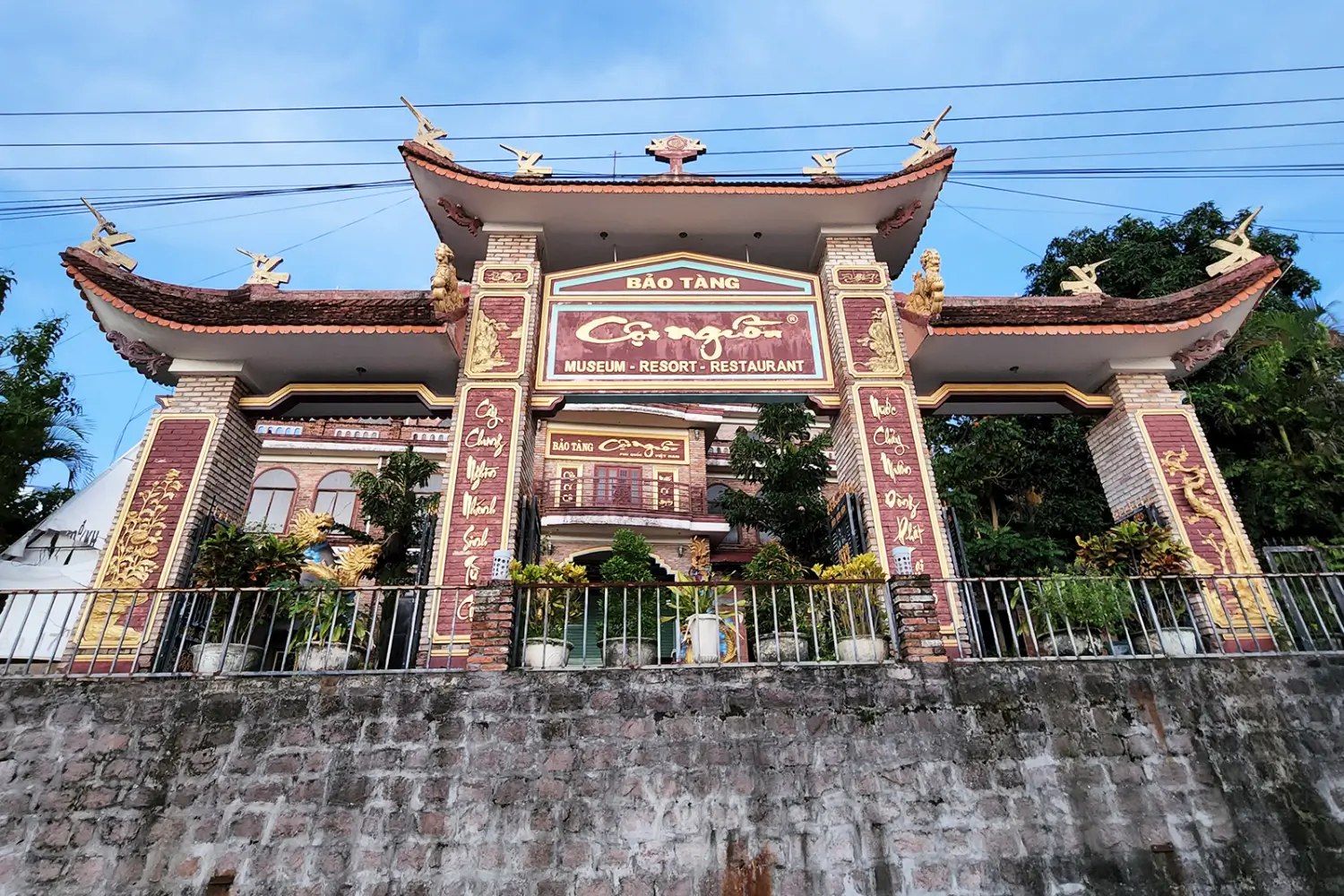
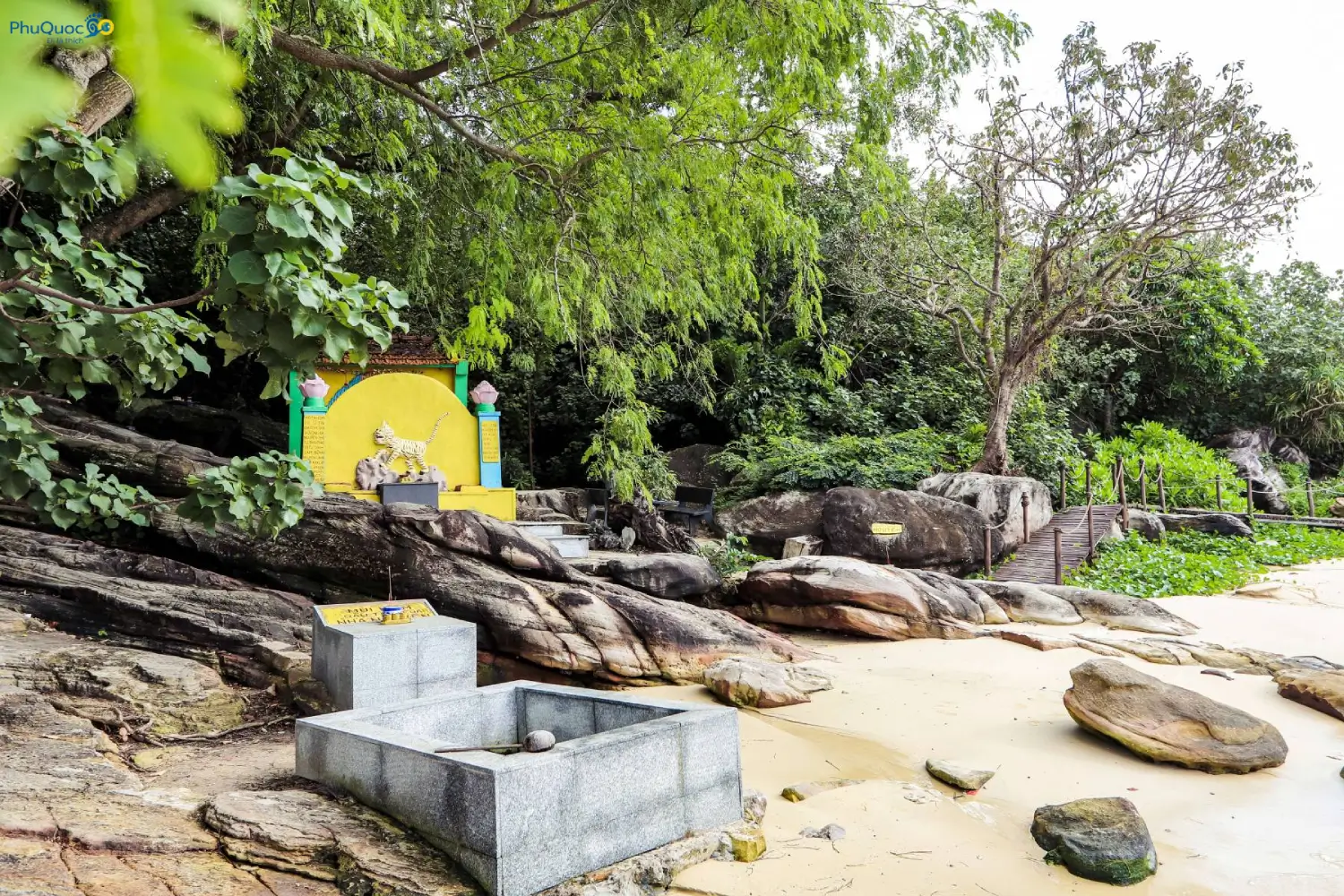
On-site historical experience: Travelers looking to explore relics from this period can visit Coi Nguon Museum Phu Quoc—which preserves hundreds of shipwrecked ceramic artifacts and ancient Phú Quốc land register documents. Additionally, the scenic location Ong Doi Cape Phu Quoc and the historical site Fairy Well Phu Quoc are connected to the legend of Lord Nguyễn Ánh during his days hiding from the Tây Sơn troops.
3.5. Phu Quoc During the French Colonial Era & Wartime Shifts (1867 – 1975)
When French colonialists invaded the 6 provinces of Cochinchina, Phu Quoc during the French colonial period was subjected to colonial rule:
- Year 1867: France occupied Western Cochinchina, placing Phú Quốc under the Hà Tiên administrative sector.
- Year 1874: The Treaty of Sài Gòn (1874) officially recognized French control over Cochinchina.
- Year 1921: France reorganized Hà Tiên Province, creating Phú Quốc District.
- Brévié Line in 1939: Governor-General of Indochina Jules Brévié established an administrative and policing boundary at sea (Brévié Line). It should be noted that this line only demarcated administrative and police jurisdiction at the time, rather than national sovereignty. Through subsequent historical periods, Vietnam has continued to exercise full and legal sovereignty over Phú Quốc Island.
- Period 1956 – 1975: In 1956, under the Republic of Vietnam administration, Hà Tiên Province was dissolved, and Phú Quốc became a district under Kiên Giang Province with its district seat located in Dương Đông.
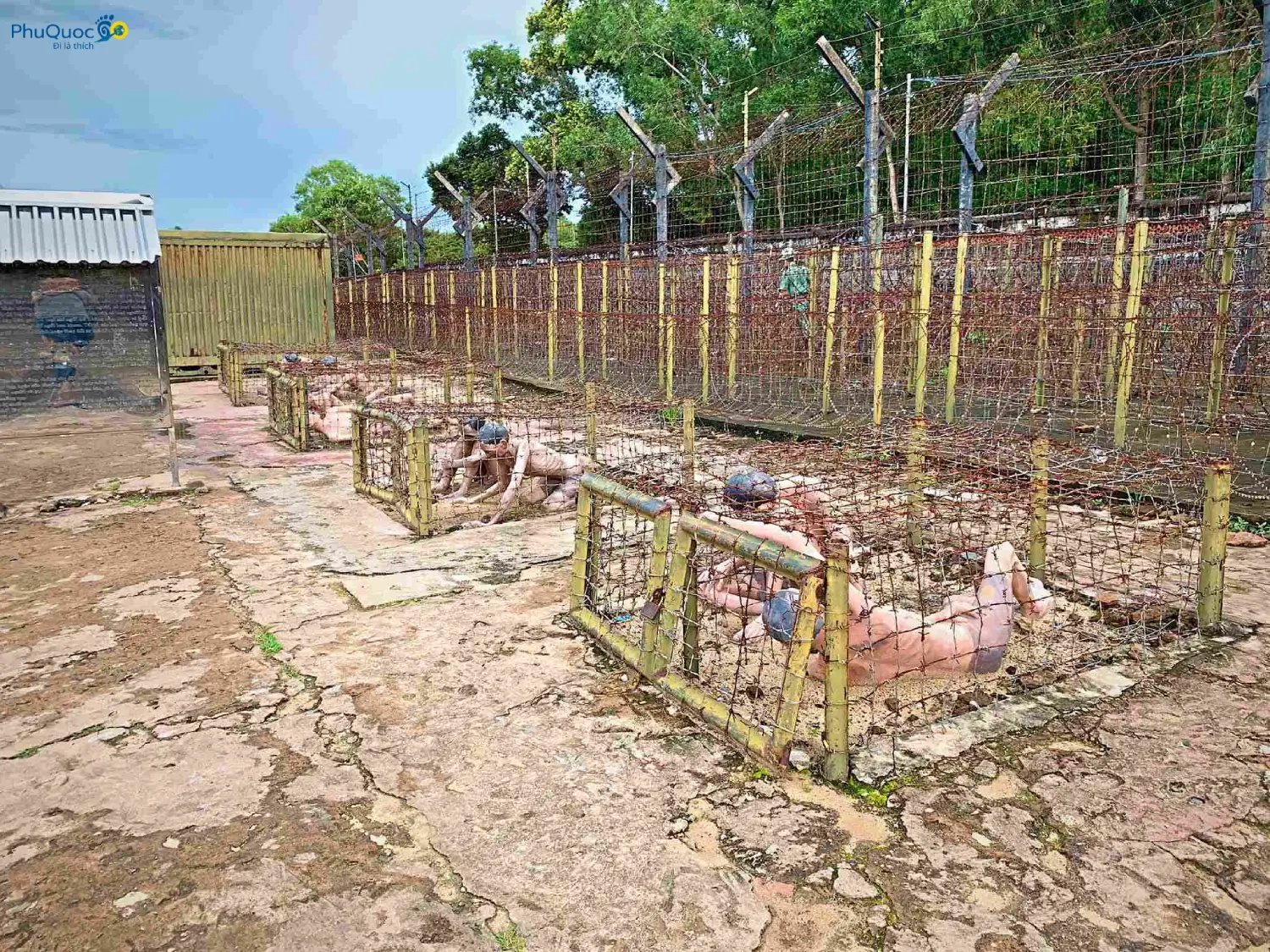
During brutal war years, Phú Quốc was not only a maritime military base but also witnessed atrocities at the Phu Quoc Prisoner-of-War Camp.
Unmissable destination: Visiting Phú Quốc today, you must spend at least 1-2 hours visiting the historic site Phu Quoc Prison. This place authentically reproduces brutal torture methods that revolutionary soldiers resiliently endured and overcame.
3.6. The Renovation Era: From Island District to City (1975 – 2024)
Following national reunification on April 30, 1975, Phu Quoc Island history opened a new chapter:
- Years 1975 – 1979: Phú Quốc was an island district of Kiên Giang Province. In 1979, the Government split Cửa Dương Commune into Cửa Dương and Cửa Cạn; and split Dương Tơ Commune into Dương Tơ and An Thới.
- Years 1997 – 2003: Established Gành Dầu Commune (1997), established An Thới Town and Hòn Thơm Commune (2003).
- September 17, 2014: The Prime Minister recognized Phú Quốc Island District as a Class II urban area.
- January 01, 2021: Under Resolution 1109/NQ-UBTVQH14, Phú Quốc City was officially established on the basis of the entire Phú Quốc District, becoming Vietnam’s first island city with 9 administrative units (2 wards: Dương Đông, An Thới, and 7 communes).
3.7. The 2025 Historical Turning Point: Phu Quoc Becomes a Special Administrative Zone Under An Giang Province
The year 2025 marked a historic administrative reform in Vietnam, directly affecting Phú Quốc’s status:
- Provincial merger (June 12, 2025): The National Assembly issued Resolution No. 202/2025/QH15, merging the entire area and population of Kiên Giang Province and An Giang Province into the new An Giang Province. The resolution took effect on July 01, 2025.
- Establishment of Phu Quoc Special Administrative Zone (June 16, 2025): The Standing Committee of the National Assembly issued Resolution No. 1654/NQ-UBTVQH15. Accordingly, 8 administrative units including Dương Đông Ward, An Thới Ward, and the communes of Dương Tơ, Hàm Ninh, Cửa Dương, Bãi Thơm, Gành Dầu, and Cửa Cạn were reorganized into a new administrative unit: Phú Quốc Special Administrative Zone.
- Thổ Châu Special Administrative Zone: The island commune of Thổ Châu was not merged into the Phú Quốc Special Administrative Zone, but was separately established as the Thổ Châu Special Administrative Zone.
Confirmation of current designations (2026):
- Official administrative unit name: Phú Quốc Special Administrative Zone, An Giang Province.
- Tourism / geographical designation: Phú Quốc Island or Phú Quốc Island City (still commonly used in travel communications).
4. Phu Quoc Special Administrative Zone Today (2026): An International Tourism Hub
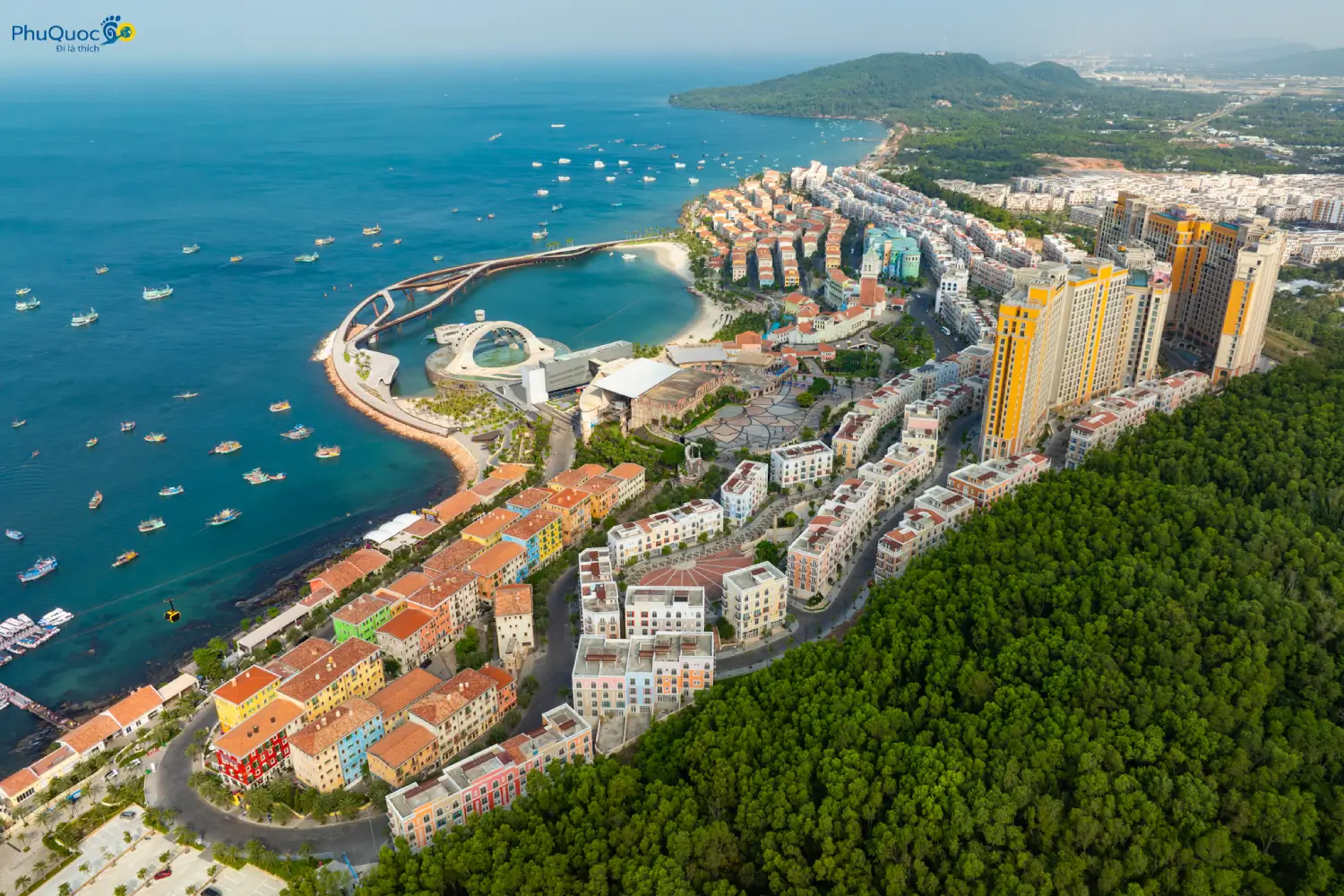
Covering an area of approximately 589 km² (making it Vietnam’s largest island), Phu Quoc today has risen to become a top resort paradise in Asia.
| Metric / Feature | Latest Updated Details (2026) |
| Administrative unit | Phú Quốc Special Administrative Zone, An Giang Province |
| Main island area | ~589 km² |
| North Island tourism focal points | Bãi Dài, Gành Dầu, Cửa Cạn, Bãi Thơm |
| South Island tourism focal points | An Thới, Bãi Sao, Bãi Khem, Mũi Ông Đội |
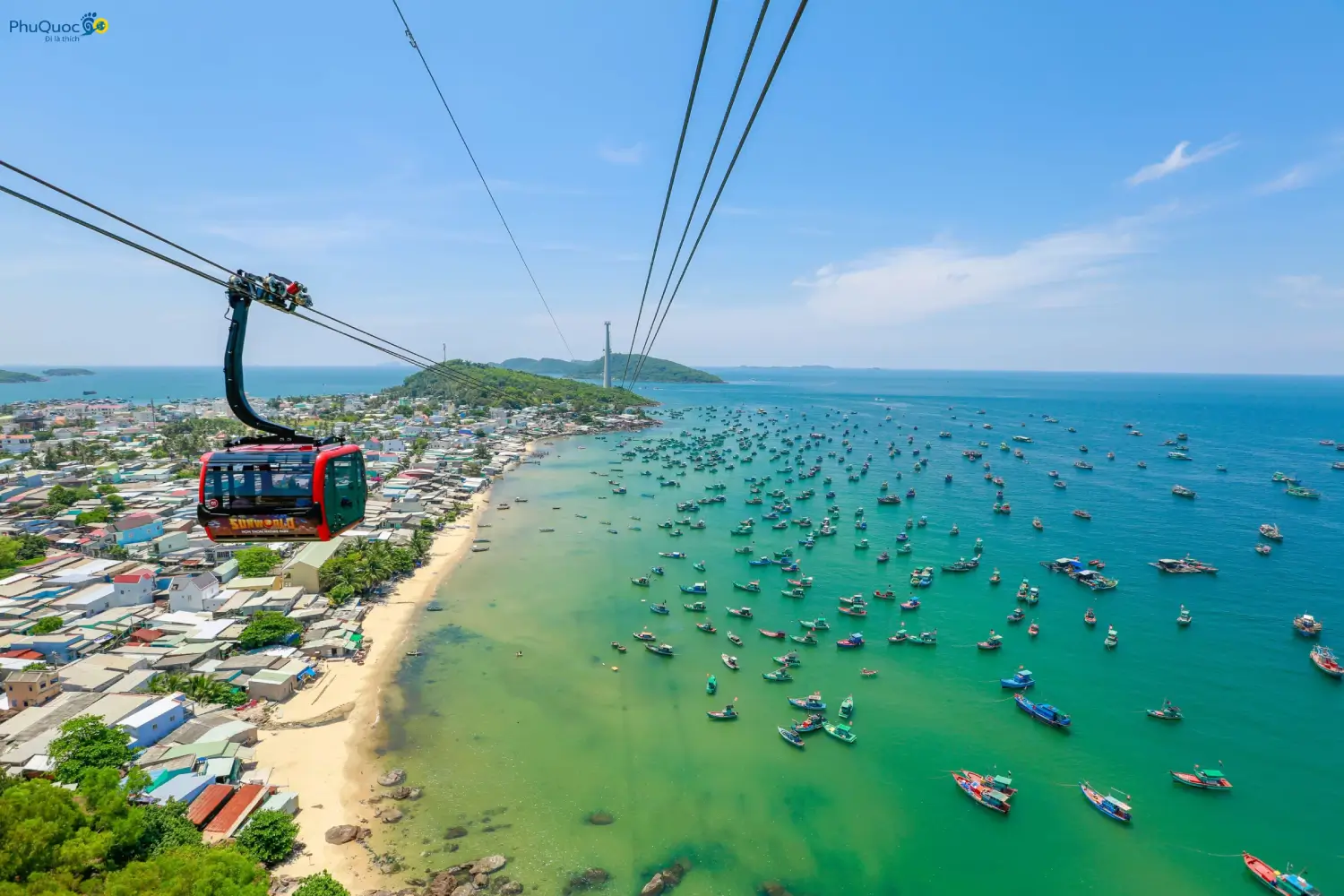
| Highlighted marine experiences | An Thới Archipelago, Hòn Thơm Cable Car, coral diving |
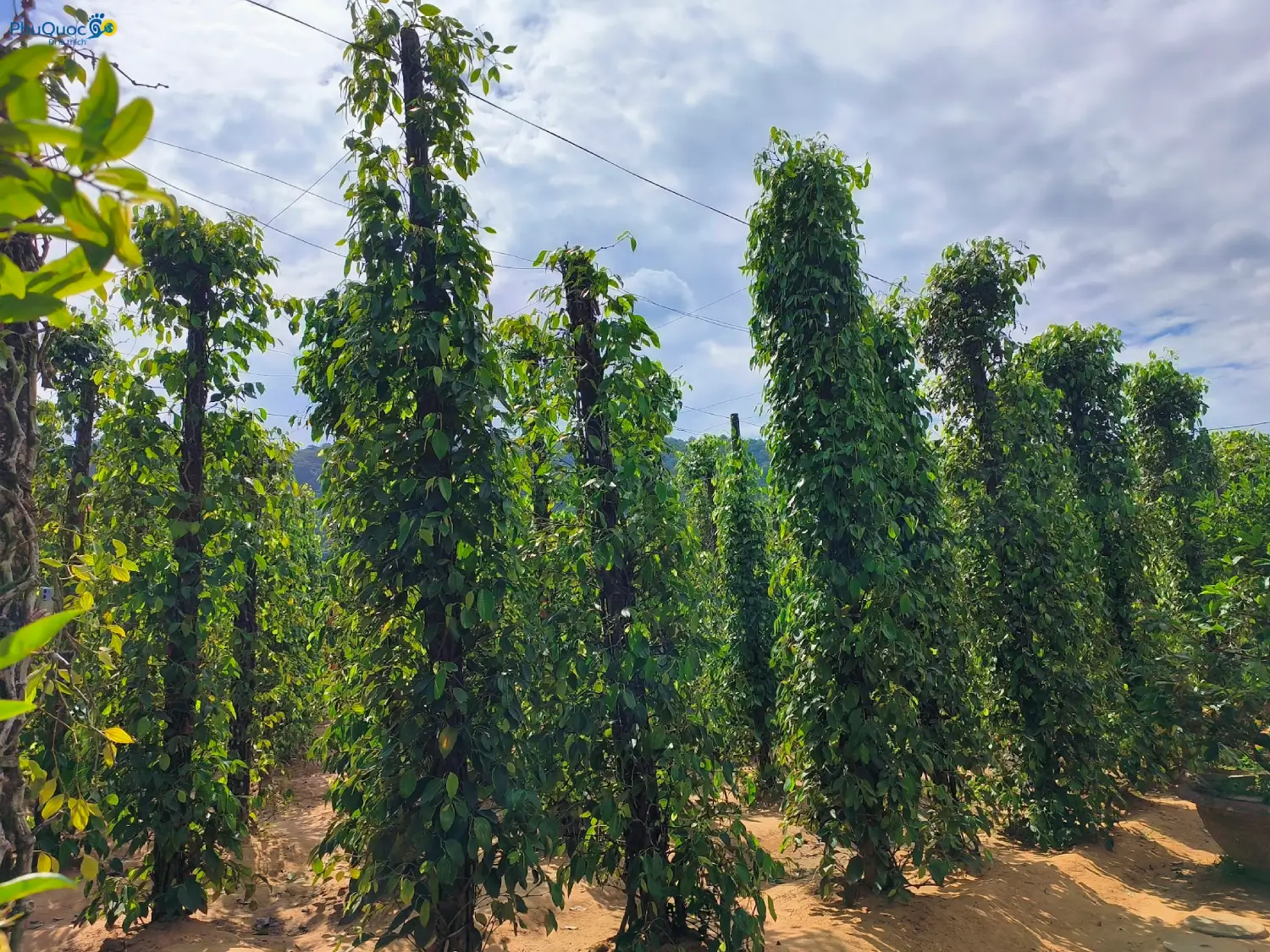
| Traditional products | Phú Quốc fish sauce, pepper, pearls, wild sim wine |
5. Timeline of Phu Quoc History Across Key Milestones
Below is a summary table to help you easily look up Phu Quoc through the eras:
- 1671: Mạc Cửu leaves Guangdong for the South.
- 1680: Mạc Cửu organizes the reclamation of the Hà Tiên – Phú Quốc area.
- 1708: Mạc Cửu contacts and submits to Lord Nguyễn Phúc Chu.
- 1724: Cedes land to the Nguyễn Lord; Long Hồ Garrison is established.
- 1735 – 1739: Mạc Thiên Tứ succeeds his father and expands Hà Tiên District.
- 1836: Nguyễn Dynasty compiles the Phú Quốc canton land register (10 villages) in Hà Châu District, Hà Tiên Province.
- 1867 – 1921: France occupies Cochinchina; establishes Phú Quốc District (1921).
- 1939: Governor-General Brévié draws the administrative sea boundary line.
- 1956: Phú Quốc becomes a district of Kiên Giang Province under the Republic of Vietnam.
- 1975 – 2014: Returns to being an island district of Kiên Giang Province; recognized as a Class II urban area (2014).
- January 01, 2021: Officially becomes Phú Quốc City (Kiên Giang Province).
- July 01, 2025: Merger of Kiên Giang & An Giang Provinces into the new An Giang Province; model transitions to Phú Quốc Special Administrative Zone, An Giang Province.
- 2026: Orientation to develop Phú Quốc Special Administrative Zone into an international tourism and service center.
6. Guide to Exploring Phu Quoc Culture & History for Tourists
To make your trip more than just simple photo check-ins, integrate historical sites into your itinerary:
- Spiritual & historical route in North – Central Island: Visit Nguyen Trung Truc Temple Phu Quoc in Gành Dầu to offer incense in memory of the national hero, and stop by Dinh Cậu – Dinh Bà in Dương Đông to hear about fisherman faith stories.
- South Island historical route: Spend half a day visiting the Prisoner-of-War Camp relic site, then stop by Prince Temple Phu Quoc (Miếu Cậu) honoring Prince Cảnh and the remnants of the fairy well in the South Island.
- Traditional culinary experience: Taste authentic Phú Quốc fish sauce from traditional barrel houses with over 200 years of history fermenting fresh anchovies.
7. Conclusion & Travel Itinerary Suggestions
Phu Quoc history stands as proof of the resilient pioneering spirit of past generations. From a deserted island, Phú Quốc today has risen strongly into the Phú Quốc Special Administrative Zone, a brilliant tourism symbol for An Giang Province and the nation as a whole.
If you are planning to fully explore both the natural beauty and historical flow of Pearl Island, grab useful tips from Phu Quoc Travel. Don’t forget to experience featured island tours like the Phu Quoc 3 Islands Tour, try the Phu Quoc Seawalker Tour, or grab great-value deals on Hon Thom Cable Car Tickets to fully feel the miraculous development of this land!
8. Practical FAQs About Phu Quoc History
How many years of history does Phu Quoc have?
From an archaeological perspective, traces of ancient inhabitants on the island belonging to the Óc Eo cultural sphere date back over 1,500 to 2,000 years. The official milestone recognized in administrative land registers by the Vietnamese feudal court was 1836 under King Minh Mạng.
Why was Phu Quoc formerly called Koh Tral?
When Mạc Cửu arrived to reclaim the area in the late 17th century, he and the settling Vietnamese and Chinese population named the island Phú Quốc, wishing for a land that is always rich and prosperous. In all official administrative documents of the Nguyễn Dynasty from the 19th century onward, the only recognized name was Phú Quốc.
Which province does the Phu Quoc Special Administrative Zone belong to today?
This follows Resolution No. 202/2025/QH15 issued by the National Assembly merging the entire areas of Kiên Giang Province and An Giang Province into the new An Giang Province. Subsequently, Resolution 1654/NQ-UBTVQH15 organized the former Phú Quốc City into the Phú Quốc Special Administrative Zone under An Giang Province.
What role did Mạc Cửu play in Phu Quoc's historical formation?
He established 7 thriving commercial posts across the Southwestern sea, among which Phú Quốc served as a crucial trade link. With great foresight, he offered this entire region to the Nguyễn Lord (1708 - 1724), officially integrating Phú Quốc into Đại Việt territory.
What is the historical significance of the 1836 Phu Quoc land register?
The land register records that Phú Quốc canton had 10 villages, belonging to Hà Châu District, Hà Tiên Province. This serves as invaluable historical and legal proof demonstrating the systematic land and population management of the Vietnamese feudal state over the island.
When was the Phu Quoc Prisoner–of–War Camp (Phu Quoc Prison) built?
It was once the largest prisoner-of-war camp in Southern Vietnam, detaining over 40,000 political prisoners and revolutionary fighters. Today, it is a Special National Historic Site open daily to visitors free of charge.
What is the difference between Phu Quoc Special Administrative Zone and Tho Chau Special Administrative Zone?
Before 2025, Thổ Châu was a commune under Phú Quốc City. Starting July 01, 2025, due to its remote geographical location and special national defense and security importance in the border maritime zone, Thổ Châu was separated into an independent Thổ Châu Special Administrative Zone under An Giang Province.
Which historical sites should travelers visit when traveling to Phu Quoc today?
You should arrange to visit Phú Quốc Prison in the morning combined with exploring the South Island. Offer incense at Nguyễn Trung Trực Temple (Gành Dầu) when combining a North Island tour to hear the legend of the national hero's resilient fight against the French.